
Photographer Captured Milky Way Under Every Light Pollution Level — and the Results Say It All
Published Jan. 12 2026, 7:04 a.m. ET

The Milky Way was captured at different places with Bortle 5 and Bortle 4 light pollution levels.
It's almost a miracle to spot a cluster of stars owing to today's pollution levels. Sky-gazing isn't as easy as looking at the sky from your balcony or roof; finding a high-altitude, pollution-free area is the key. Astrophotographer Ian Lauro Astro highlighted the impact of light pollution on the visibility of the Milky Way, the galaxy that houses our solar system. He travelled across the United States carrying a camera for an experiment: capturing the Milky Way at each light pollution level. Lauro Astro used the Bortle Scale to measure the level of pollution, and the view of the galaxy became progressively better as the pollution level reduced. Although there have been charts depicting light pollution's effect on the galaxy's visibility, the photographer revealed that they are all graphics.
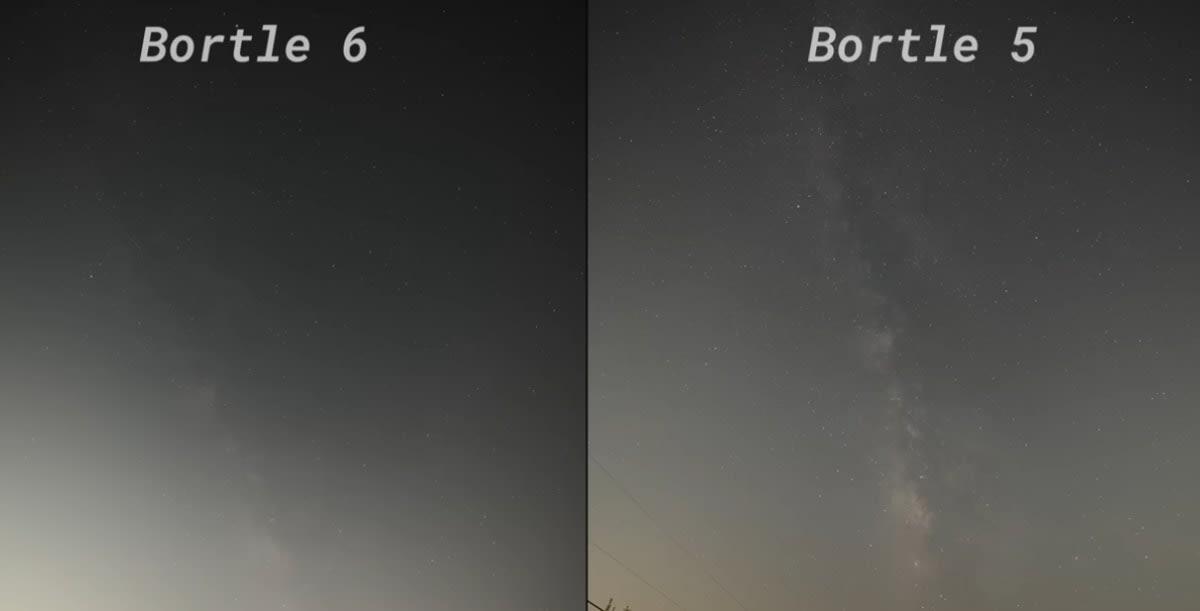
The Milky Way was captured at different places with Bortle 6 and Bortle 5 light pollution levels.
So, he decided to take matters into his hands and capture the galaxy at every pollution level in real-life. "I photographed the Milky Way from every light pollution level to see how it affects night sky photos. I did this using my Nikon Z5II camera and NIKKOR Z 14-24MM F/2.8 S Lens," he wrote. Atlanta was the place where he began his experiment, one of the "worst places" to capture the Milky Way from. The place is known for a lot of things, but the best view of the night sky isn't one of them. When Lauro Astro looked up, he couldn't spot a single thing in the night sky except an airplane at a Bortle 8 pollution level.
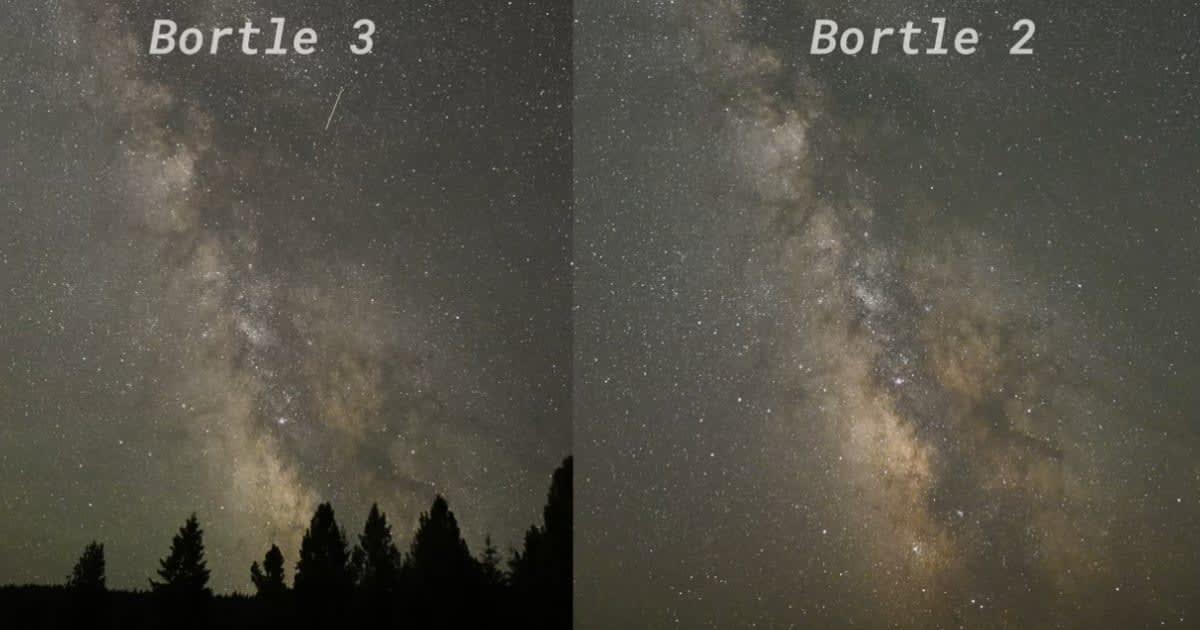
The Milky Way galaxy was captured at different places with Bortle 3 and Bortle 2 light pollution levels.
He tried out various camera settings, but nothing made the Milky Way even remotely visible. His next stop, Boise, wasn't much of an improvement with a Bortle 7 light pollution level. In Auburn, Alabama, and the surrounding areas, he found the light pollution levels 6, 5, and 4, with each being an improvement compared to the others. Lauro Astro travelled to Baker City to photograph the Milky Way at Bortle 3 light pollution level, which he declared as a "great place" to capture the galaxy from. Eastern Oregon at Bortle 2 pollution level gave a significantly brighter image, and in the “middle of nowhere” in Oregon, was where the galaxy was captured in its full glory at just Bortle 1 pollution level.
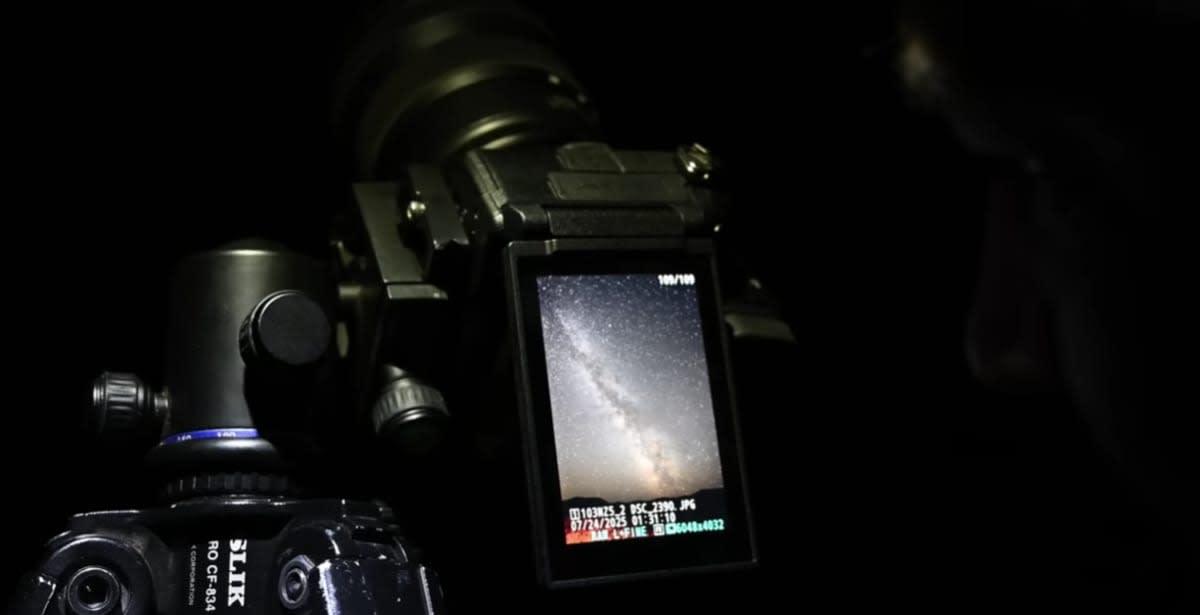
Astrophotographer capturing the Milky Way in Oregon at Bortle 1 light pollution level.
"There are no lights. Only starlight," he said, and admitted that he could see the Milky Way without the camera. Not to anyone's surprise, the image captured at the place with the least pollution provided the best picture of the galaxy. "Bortle 1 is legit. If you are gonna be doing any astrophotography, this is the place to be," he added. Although there wasn't much difference between Bortle 1 and Bortle 2, the former is slightly brighter, with intense color and more detail, highlighting the galaxy's features more prominently. The darker the sky is, the brighter the Milky Way will appear, according to Lauro Astro. Combining the photos at each level of light pollution, he created his own Bortle scale with real-life images without adding too many effects.
"To me, astrophotography is one of the most challenging and most rewarding forms of photography," the astrophotographer wrote in the caption of his Instagram post. "While I love going out and taking these photos, for anyone that knows me, you’ll know my passion is sharing the excitement of the stars with others," he added.
You can watch the video here.