
NASA's Curiosity Rover Snaps a Stunning Mars Sunset — and It Looks Surprisingly Familiar
Updated Jan. 9 2026, 10:14 a.m. ET

NASA's Curiosity rover captured this panoramic view from high on the slopes of Mount Sharp inside Gale Crater
NASA's Curiosity rover has yet again sent back spectacular photos of a sunset on Mars, but this time it looks surprisingly similar to a sunset on Earth. On November 18, 2025, the rover photographed the landscape from its position on Mount Sharp at two different sols, 4,722nd and 4,723rd Martian days, of the mission. Using its black and white navigation, two images were taken at 4:15 p.m. on Sol 4,722 and 8:20 a.m. on Sol 4,723. These images were later stitched together and color-enhanced to create a panoramic view that blends cooler morning blues with warmer, golden afternoon tones.
"Adding color to these kinds of merged images helps different details stand out in the landscape," NASA said in a statement. The “postcard” shows Curiosity overlooking the rugged terrain of Gale Crater’s boxwork formations. These formations spread across the lower slopes of Mount Sharp, a towering mountain about three miles high that Curiosity has been slowly climbing since 2014. However, the sunset looks quite similar to that on Earth due to its soft gradients of light and shadow.
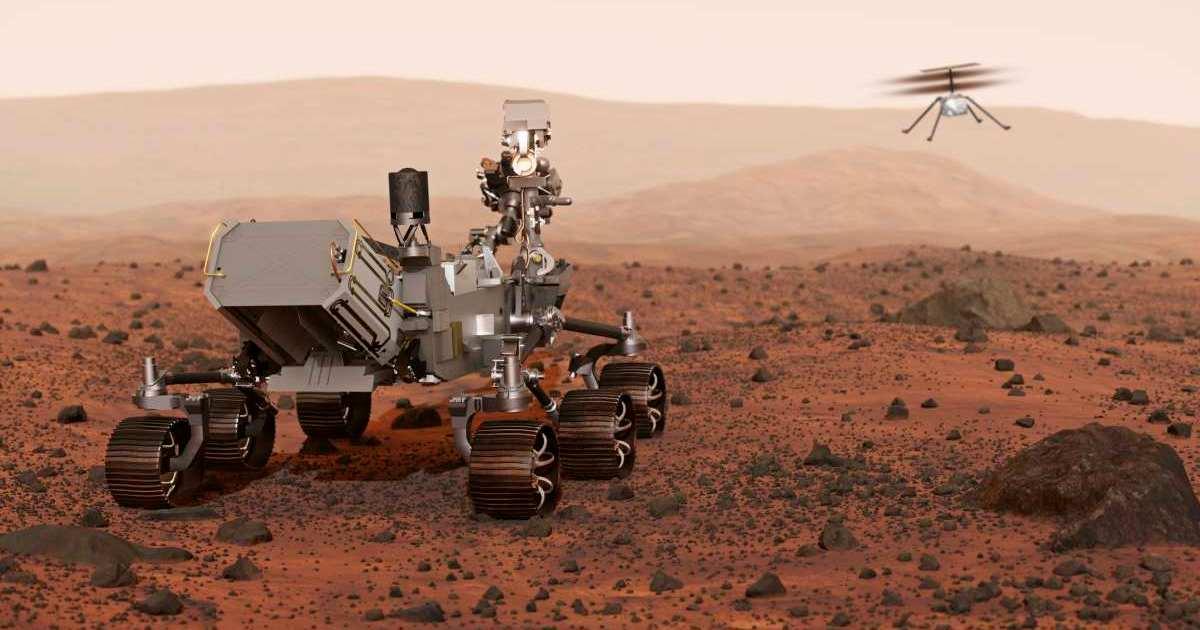
Artwork of a Mars rover.
Moreover, the rover’s drill was used, attached at the end of its robotic arm, to collect a rock sample from the top of the ridge at a site called “Nevado Sajama.” The rim of the crater is faintly visible on the distant horizon in the image shared. Behind the rover, wheel tracks can be seen in a hollow where Curiosity also drilled another sample at a nearby spot named “Valle de la Luna.”
Curiosity was sent to the Red Planet as part of the Mars Science Laboratory mission to study the planet’s past habitability. The rover’s primary goal is to determine whether Mars once had the right conditions to support microbial life, as well as search for evidence of water. The robotic explorer has been remotely controlled from Earth since it first landed on Mars on August 6, 2012. Ever since, the rover has been operating for over a decade and collecting samples to understand how Mars evolved from a potentially habitable world into the cold, dry planet seen today.
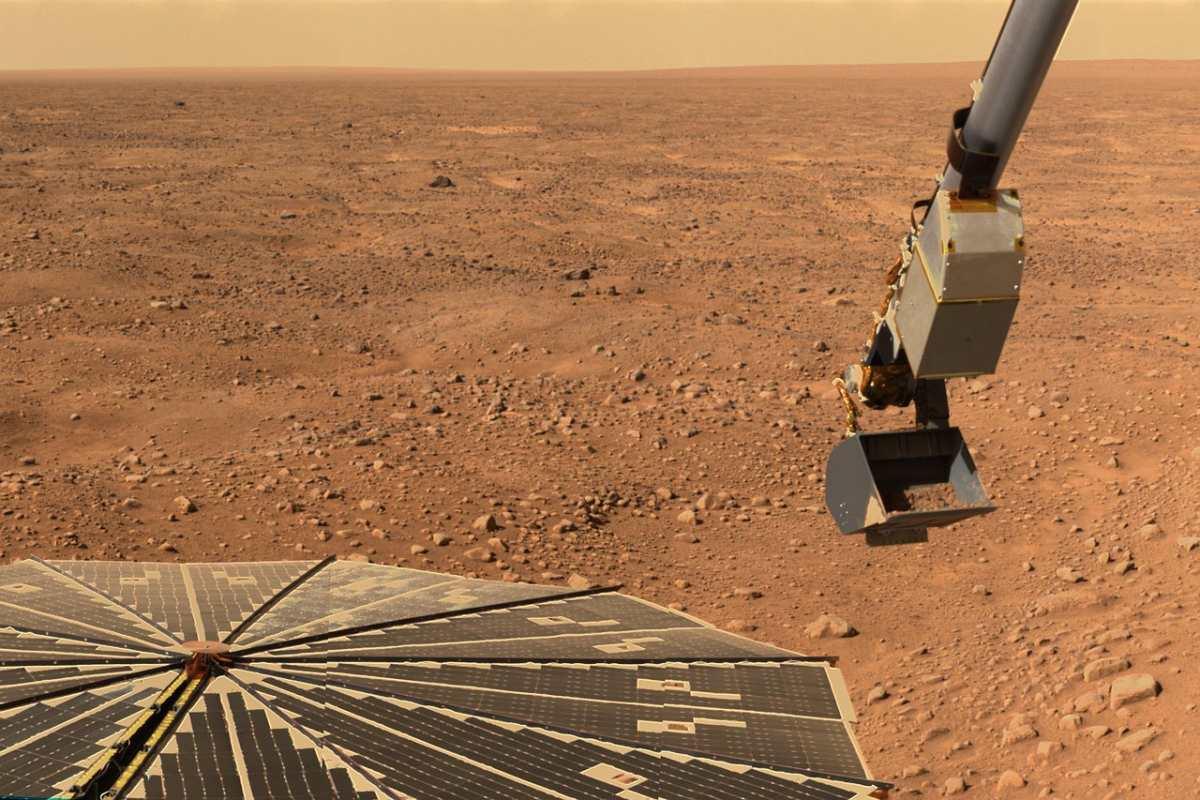
Spacecraft lands on Martian soil
The Curiosity mission team has leaned more heavily on the rover’s upgraded autonomy and multitasking abilities in recent months. The rover’s software has been upgraded so it can perform multiple tasks at once, such as taking images or making observations while simultaneously communicating with orbiters overhead, rather than doing each task separately. This smarter use of time helps shorten daily operations and conserve energy from the rover’s aging nuclear power system. Reidar Larsen of NASA’s Jet Propulsion Laboratory in Southern California said in a statement, “It’s as if our teenage rover is maturing, and we’re trusting it to take on more responsibility. As a kid, you might do one thing at a time, but as you become an adult, you learn to multitask.”
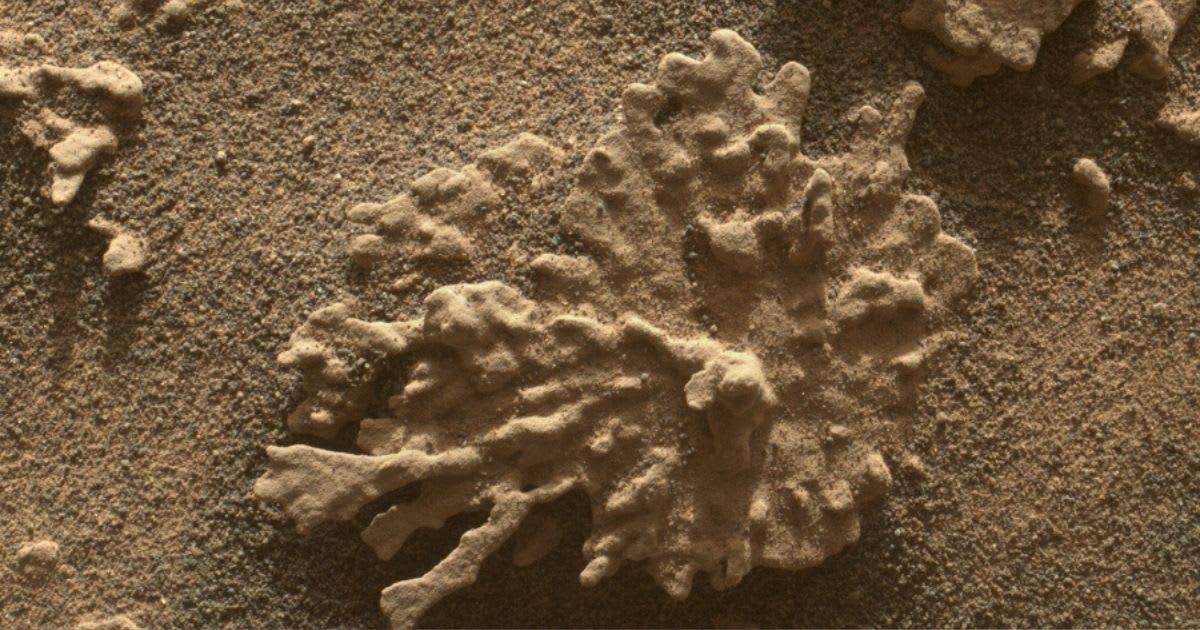
NASA’s Curiosity viewed this rock shaped like a piece of coral
The rover has made several major discoveries, such as it found clear signs that Mars once had liquid water, including ancient lakebeds and stream channels inside Gale Crater. It also detected organic molecules, which are the basic chemical ingredients needed for life, and identified important elements such as carbon, nitrogen, and sulfur. Together, these findings have helped scientists find out how the planet's atmosphere has changed.