
Jupiter Shines Bright Like the 'Christmas Star' in December 2025 — Here's How to Watch It
Published Dec. 19 2025, 4:41 a.m. ET

Woman looking at night sky with a telescope
With the summer sun preparing to bathe the Southern Hemisphere in golden daylight, the skies of the Northern Hemisphere are being shrouded in inky darkness. Though this darkness is on our side. The celestial school of stars and planets has a series of live events and sparkling performances ready for our dark, night skies. Jupiter, the gas giant, is the showstopper. In December 2025, Jupiter is coming closer to Earth as it approaches opposition. As it comes closer, the glowing gassy guy will keep on becoming brighter and brighter. Astronomers often refer to it as the “Christmas Star."
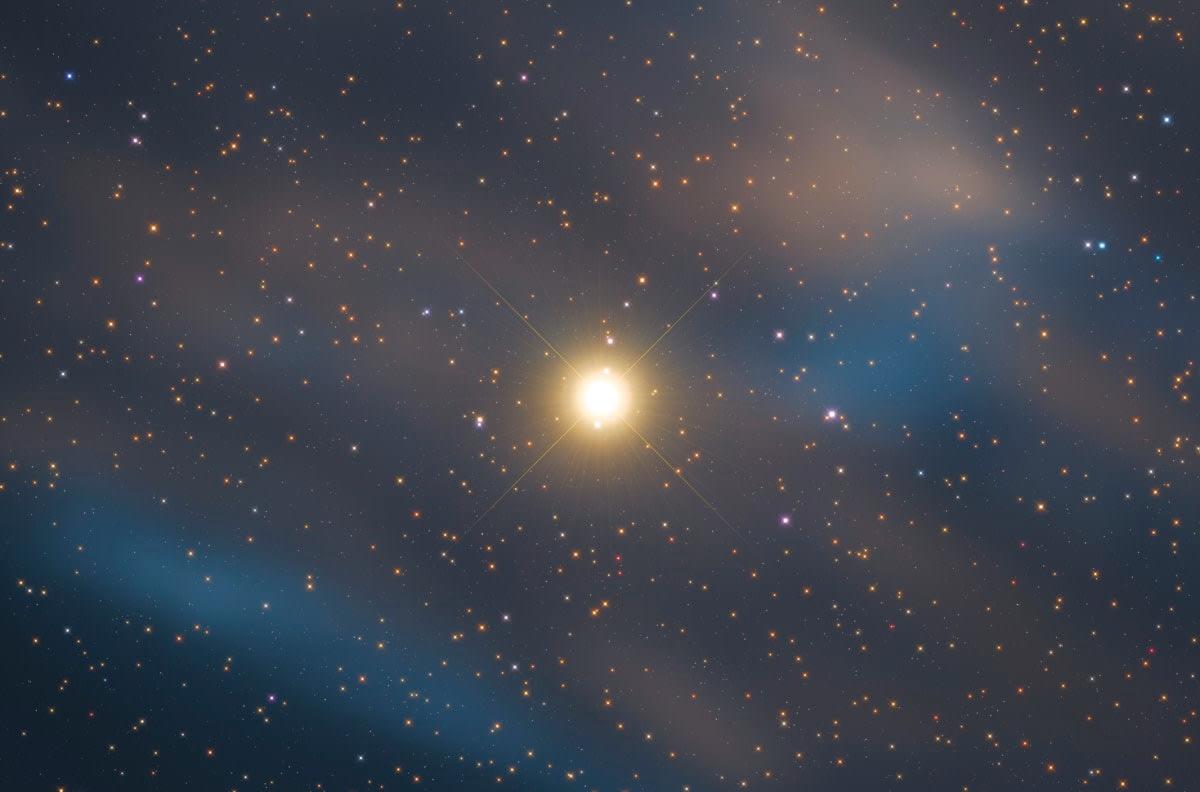
Bright celestial object glowing in the sky surrounded by tiny glittering stars
If you gaze at the night skies on any of these days and find yourself wondering, “What is that bright star?” then what you’re seeing is likely Jupiter edging toward opposition. The celestial event happens when Earth comes between a planet and the Sun, making the planet (Jupiter, in this case) appear brighter and closer in the night sky.
In December, Jupiter usually rises in the sky just before sunset (early evening). It climbs and leaps through constellations Gemini and Taurus, with stars like Castor, Pollux, and Aldebaran surrounding it like back dancers in glittering costumes. The gorgeous Seven Sisters star cluster, a.k.a. Pleiades, rises high above Jupiter, its hot blue stars visible as a hazy dipper. On the sides, the Three Kings or the Orion’s Belt surround the gassy star. Jupiter is encircled by an ensemble of colors: the reddish hues of Betelgeuse, the bluish tones of Rigel, and the hazy mist of the Orion Nebula.
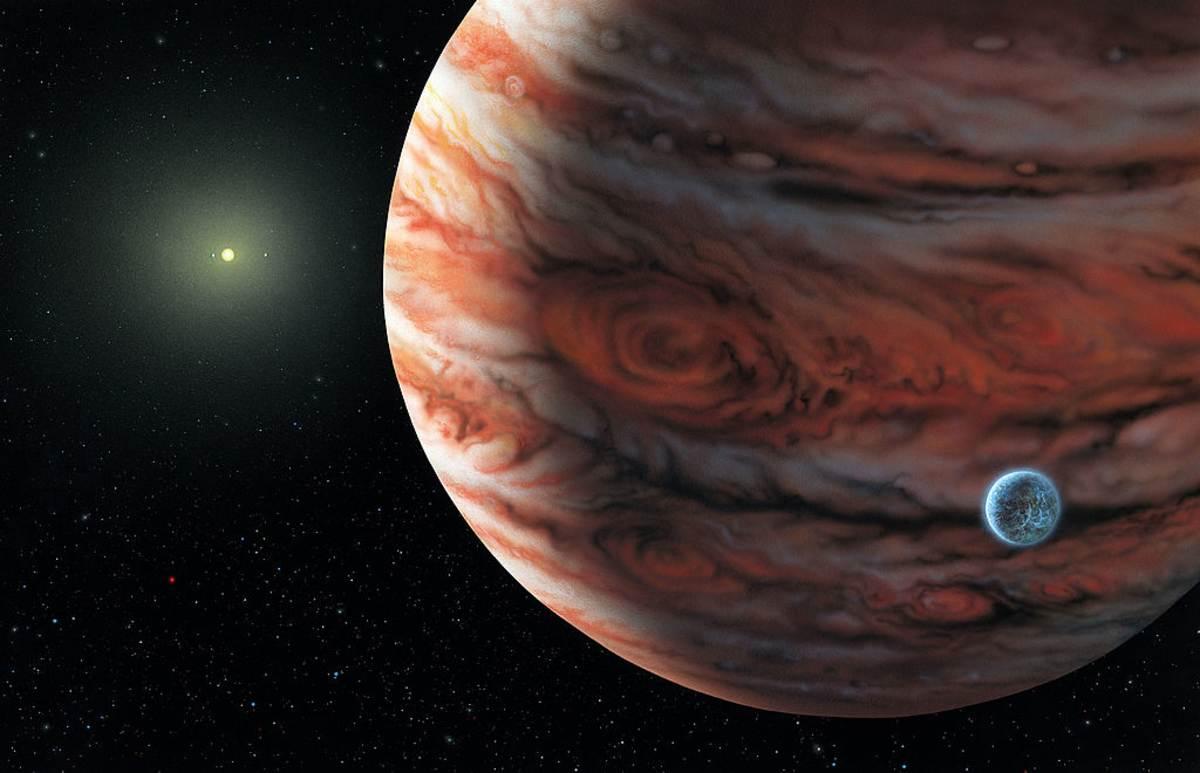
An artist's depiction of Jupiter.
Like 2020, Saturn will also partner with Jupiter in the sparkling dance show, but this year it will be less bright. Late at night, the crescent Moon will also join the party, adding its pearly glow to the bright partnership of Saturn and Jupiter.
According to NASA astronomers, Jupiter reaches the point of opposition every 13 months. At the beginning of December, it will shine at a magnitude of -2.4 and will get brighter as it approaches opposition, likely around -2.5. Magnitude defines the intensity of light or brightness emitted by a celestial object. The measure, however, comes in a backward logarithmic value. The lower or the more negative a magnitude is, the brighter the object, per StarWalk.
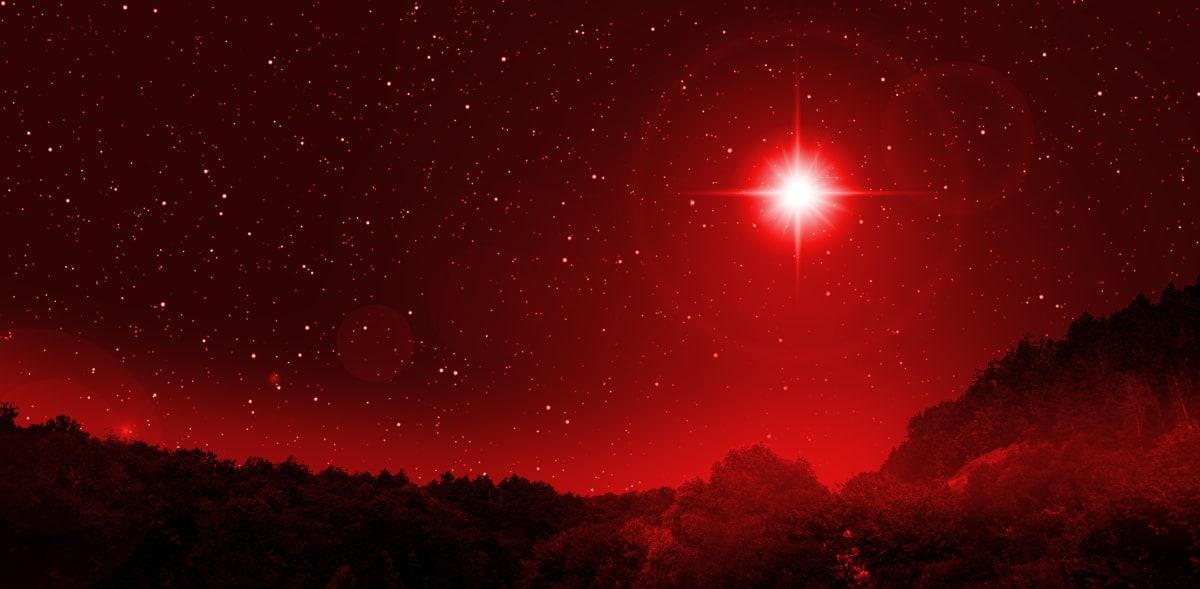
Bright celestial object glowing in the sky surrounded by tiny glittering stars
Going beyond astrophysics, many people often see the “Christmas Star” as the mythical “Star of Bethlehem,” a point of celestial light that guided wise men and divine seekers to Jesus’s birthplace on the eve of Christmas. Nothing can be said about whether the December 2025 Christmas Star will be able to guide similarly, but it will surely offer you an unforgettable moment. You need just a quiet spot and a willingness to step out of your home on a freezing winter night.
An hour after sunset, move to a spot where you can see the southwestern sky. Make sure the spot is quiet and unobstructed by the city’s flashy lights. The dark skies are already in your favor this year. In most cities, you’ll be able to spot Jupiter glowing more brightly than the rest of its neighbors. You should be able to see Saturn slightly above and to the left of Jupiter. You'll be able to see this position till December 21, after which they will switch spots. And if there’s some light pollution that’s hindering your view, you can seek help from a pair of 8×42 or 10×50 binoculars. Meanwhile, you can also enjoy the Winter Solstice on December 21, 10:03 a.m. EST.