
Forever Chemicals Are Getting Into the Great Lakes in Unexpected Ways — Threatening Water Supply and Wildlife
Published Jan. 29 2026, 9:10 a.m. ET

Lake Superior, where PFAS are now found.
Ever heard of "forever chemicals"? They are toxic substances that will continue to pollute the Earth indefinitely. PFAS, or per- and polyfluoroalkyl substances, are those chemicals that slowly leak from synthetic materials into the environment, doing more damage than we can imagine. Now, these chemicals have seeped into the Great Lakes, posing a threat to their wildlife and polluting one of America's major water sources, as per The Conversation. The five Great Lakes stretch across a massive 10,000 miles of coastline and contain 21% of the world's fresh surface water. Undeniably, the PFAS pollution in these lakes threatens over 30 million people who rely on them for drinking water. The huge commercial and recreational fishery industry, which depended on the Great Lakes, will also be affected by this development.
Image depicting PFAS or Forever Chemicals
The forever chemicals have been a part of our lives through waterproof, satin, and heat-resistant products like food wrappers, raincoats, stain-resistant carpets, and more. At this point, these chemicals could even be detected in the water you drink and the fish you might consume. Christy Remucal, Professor of Civil and Environmental Engineering at the University of Wisconsin-Madison, and her colleagues have been researching the impact of toxic chemicals like PFAS on America's water system. It's hard to narrow down the cause behind this pollution as hundreds of rivers flow into these Great Lakes, and each might be containing a certain amount of PFAS derived from industrial waste, military operations, and wastewater treatment plants. Waste released from farmlands could contain pesticide residue with traces of forever chemicals.

One of the Great Lakes' tributaries in Ontario
The amount of PFAS found in the river streams relies on upstream impacts. When the researchers analyzed the Great Lakes tributaries in Wisconsin, the concentration of the chemical was as high as more than 1,700 parts per trillion. The particular area is where firefighting foam, a substance that releases PFAS into the environment, is used extensively. However, the concentration isn't the only determiner of the contamination of the lakes. Large rivers with a relatively low concentration of the forever chemicals can also flow into these lakes and significantly contribute to the pollution. Groundwater is another route that connects fresh water to the polluted water bodies. When chemicals seep deep into the soil, they can enter groundwater, a major source for drinking water, and their route could ultimately pollute the Great Lakes.
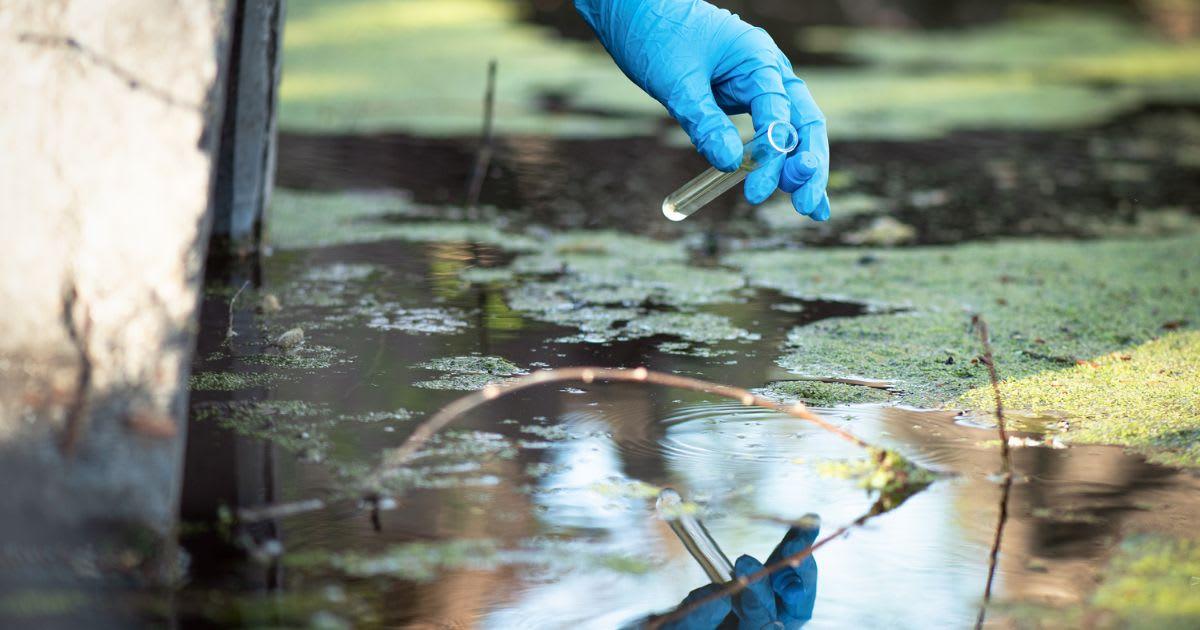
A researcher collecting polluted water sample for study
The team detected 260 parts-per-trillion chemical contamination in the bay of Green Bay in Lake Michigan, and they traced back the origin to firefighting foam and an underground plume. According to the researcher, the chemical can enter these lakes through several unconventional routes as well. Rain and snowfall are some of the unusual paths that can implant these forever chemicals into the lakes, ultimately polluting a drinking water source. How? Incineration of toxic substances and industrial releases can fill the atmosphere with toxins like PFAS, which then enter water bodies through precipitation. Scientists found that the majority of chemical pollution in Lake Superior, one of the largest freshwater sources, is due to rainfall. Since these chemicals can easily travel through water, the contamination can effortlessly flow from one region to another, especially affecting the downstream lakes of Michigan, Huron, Erie, and Ontario.
The issue is a growing concern with no efficient and large-scale solution. In this case, people need to be aware of their water source and check the PFAS concentration if they are supplied water through the Great Lakes' route. Stay updated with health advisories to avoid consuming chemically contaminated seafood.