
6 Years After China Banned Fishing in Its Largest River, Endangered Species Are Making a Comeback
Published Feb. 13 2026, 2:56 a.m. ET

The Yangtze River fishing ban has halted seven decades of biodiversity decline.
Biodiversity loss is a fracture to the ecosystem that rarely mends. But a recent study has emerged as a ray of light amidst darkness, providing researchers with hope for recovery. The Yangtze River is China's longest and largest river, boasting a rich biodiversity that human activities, including fishing, have tarnished. However, the exploitation stopped following a 10-year fishing ban in the water body in 2021. About 6 years into the imposition, the river has shown signs of rejuvenation, much to the researchers' delight. The new study observed an increase in the fish population and recovery of several endangered animals in the aftermath, including the Yangtze sturgeon (Sinosturia dabryanus) and the Yangtze finless porpoise (Neophocaena asiaeorientalis asiaeorientalis). Researchers have taken this development as a positive sign in the revitalization of river bodies.
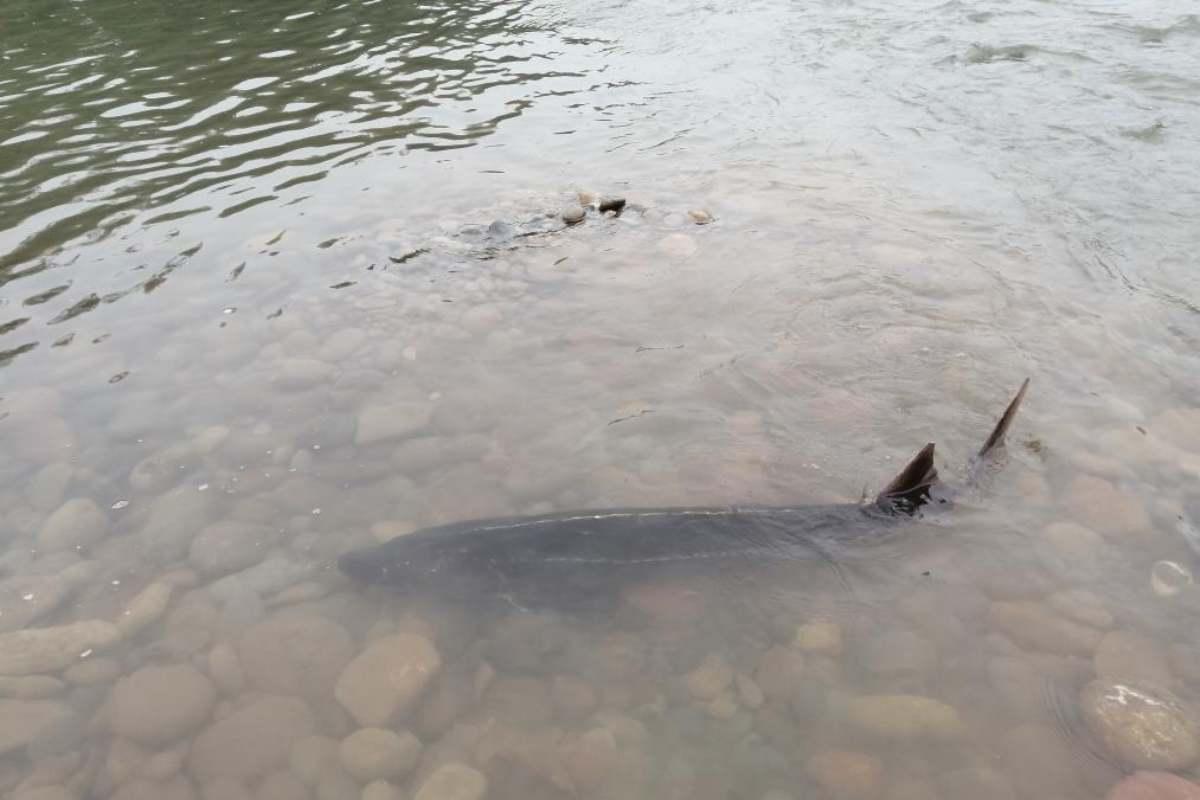
An adult Yangtze sturgeon seen in a river in China
"These results show that strong political decisions are required to restore biodiversity," Sébastien Brosse, an ecologist at the University of Toulouse in France and co-author of the new study, told Live Science. "This is an encouraging message because biodiversity loss is often seen as irreversible," he added. About 30% of China's population depends on the massive river's drainage basin for various purposes. The Yangtze River Economic Belt includes 11 provinces and municipalities that together generate about 47% of the country's gross domestic product. The river is essentially one of the primary economic sources, but there's an invisible threshold between utilization and exploitation. Since the 1950s, urban developments or constructions, overfishing, and pollution surged and degraded the river's biodiversity and deteriorated the water quality.
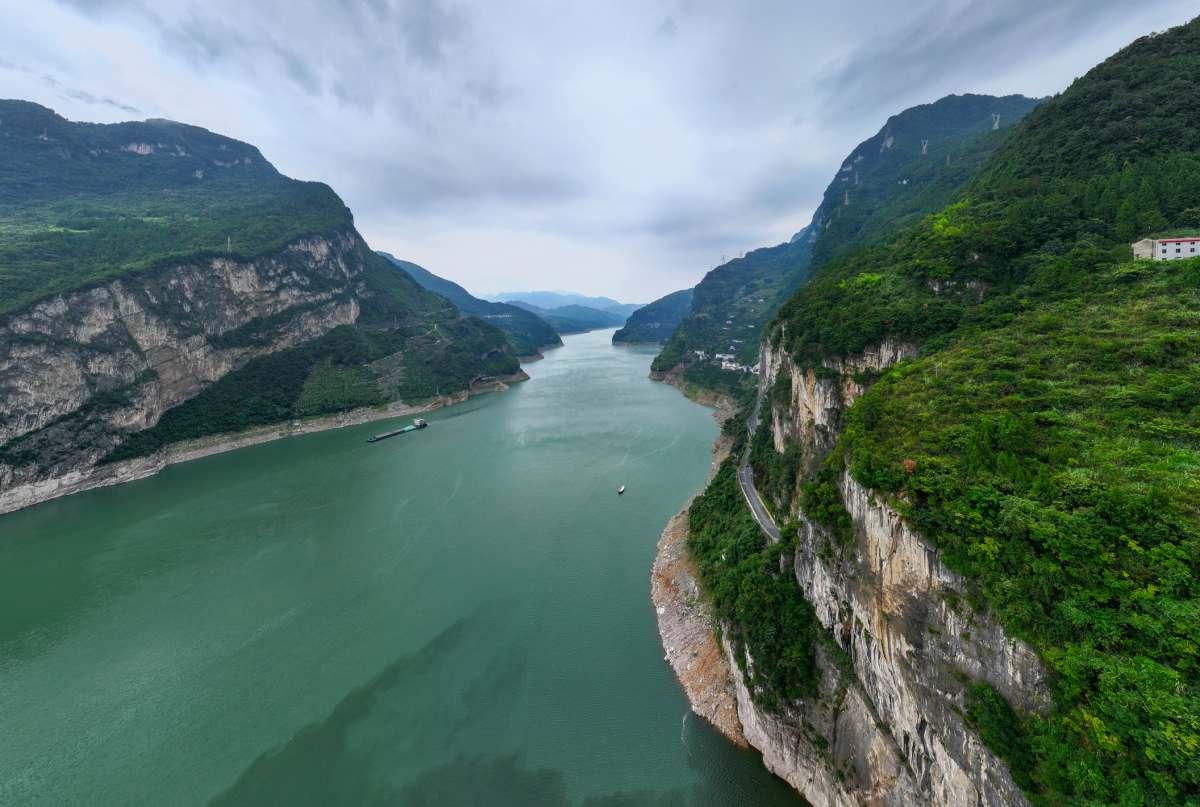
Aerial view of China's Yangtze River through the Three Gorges
According to the outlet, the Yangtze River dolphin (Lipotes vexillifer) and the Chinese paddlefish (Psephurus gladius) went extinct, and about 135 species of fish recorded in historical surveys disappeared. Conservation efforts like creating protected areas, investing a whopping $300 billion in water-quality management, and improvements went in vain when conservationists found no improvement in the biodiversity decline. When pouring resources and creating dents in the pockets didn't show the expected results, the authorities decided to take stringent action: imposing a long fishing ban. The river police were ordered to enforce strict penalties against ban violators. Yushun Chen, a hydrobiologist at the Chinese Academy of Sciences in Wuhan, China, along with his colleagues, decided to check for any signs of improvement.
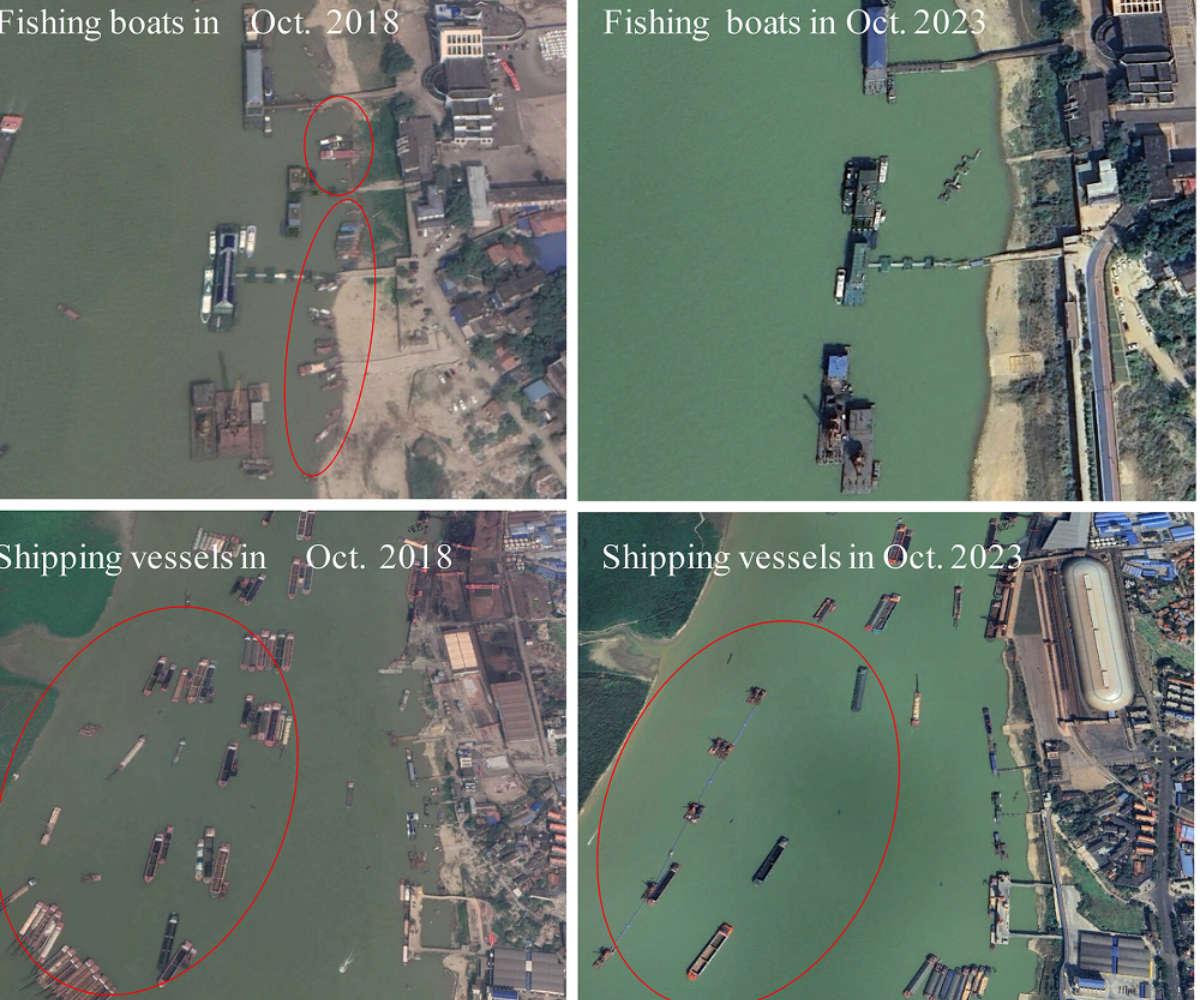
Aerial photos showing fishing boats and shipping vessels in a typical river reach in 2018 and 2023
The team collected data recorded between 2018 and 2023 to analyze the health of fish communities before and after the ban. They found that the total biomass of fish in the sample had doubled in the later years. Although the total population of the fish didn't significantly increase, the team observed a surge in the number of larger-bodied species placed higher in the river's food web. The population of black Amur bream (Megalobrama terminalis) and the white Amur bream (Parabramis pekinensis) had improved. These economically valuable species were the reason behind the increased total biomass. However, when scientists evaluated the biomass of smaller species, they noted an 18% decline.
On the bright side, the study confirmed the recovery of migratory and endangered species like the slender tongue sole (Cynoglossus gracilis). Thanks to the ban, the freshwater increased further upstream, attracting more larger and endangered species like the Yangtze sturgeon, Chinese sucker (Myxocyprinus asiaticus), and tube fish (Ochetobius elongatus). "In an era of unprecedented biodiversity losses and declines, especially in freshwater systems, this study offers a glimpse of hope regarding the future of biodiversity," said Lise Comte, a conservation ecologist at California-based Conservation Science Partners.