
Scientists Invent Revolutionary Construction Material That Absorbs Way More Co₂ Than It Emits
Published Jan. 22 2026, 7:43 a.m. ET

Snapshot of new building construction material
Over the last couple of years, carbon emission has been a hotly debated topic among scientists. In recent times, they have been pulling all the stops to find or create an object that pulls carbon out of the atmosphere. It seems like the researchers at Worcester Polytechnic Institute have managed to find a solution for this problem by developing carbon-negative construction material. According to a report by Science Daily, engineers at Worcester Polytechnic Institute have created a new building material that actively removes more carbon from the atmosphere than it emits.
As per a new study published in the high-impact journal Matter, the new building material in question has been called enzymatic structural material (ESM). This particular material has been perfectly tailored for durability and recyclability. In addition to this, this material also provides a low-energy and sustainable alternative to traditional construction options. This project was managed by Nima Rahbar, the Ralph H. White Family Distinguished Professor and head of the Department of Civil, Environmental, and Architectural Engineering.
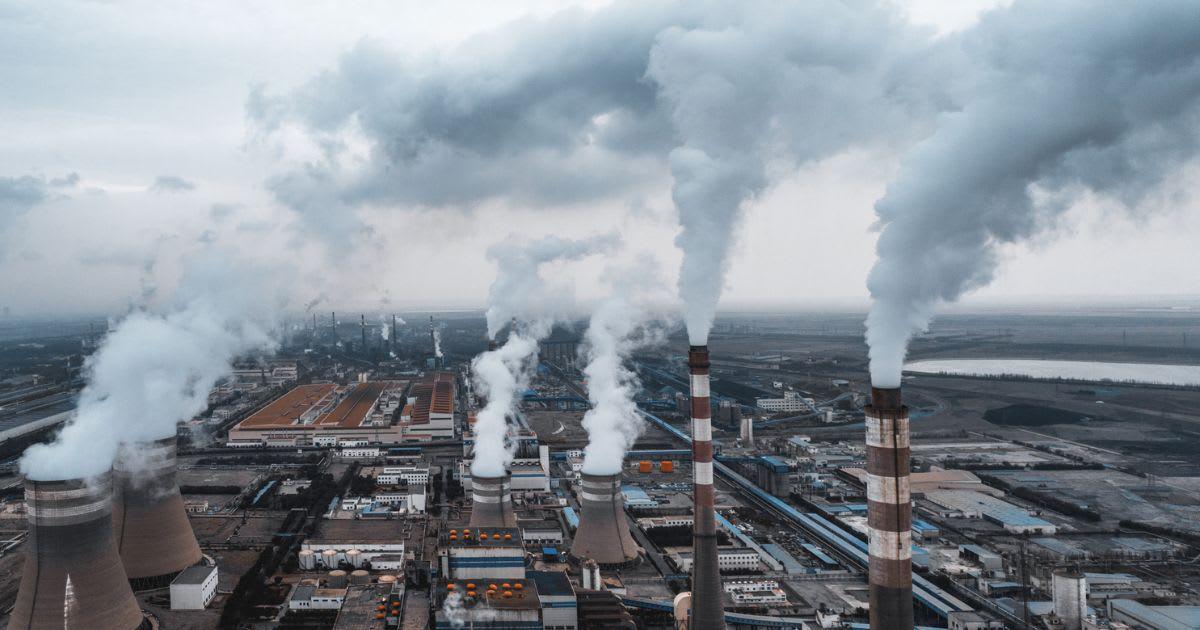
Snapshot of thick smoke coming from industrial chimneys
For this project, Rahbar and his team made ESM through an enzyme that can help turn carbon dioxide into solid minute particles. Soon after, all these particles are combined together and cured under gentle conditions. Throughout the course of this specific process, the material gets adequate time to be shaped into structural components within a span of a couple of hours. For the unversed, let us tell you that the traditional concrete needs to be produced at high temperatures, and it requires a few weeks to cure. On the other hand, when we talk about ESM, it forms rapidly under mild conditions, and it leaves a much smaller environmental footprint.
While shedding light on the construction material and the carbon emissions, Rahbar said, “Concrete is the most widely used construction material on the planet, and its production accounts for nearly 8% of global CO₂ emissions. What our team has developed is a practical, scalable alternative that doesn’t just reduce emissions—it actually captures carbon. Producing a single cubic meter of ESM sequesters more than 6 kilograms of CO₂, compared to the 330 kilograms emitted by conventional concrete.”
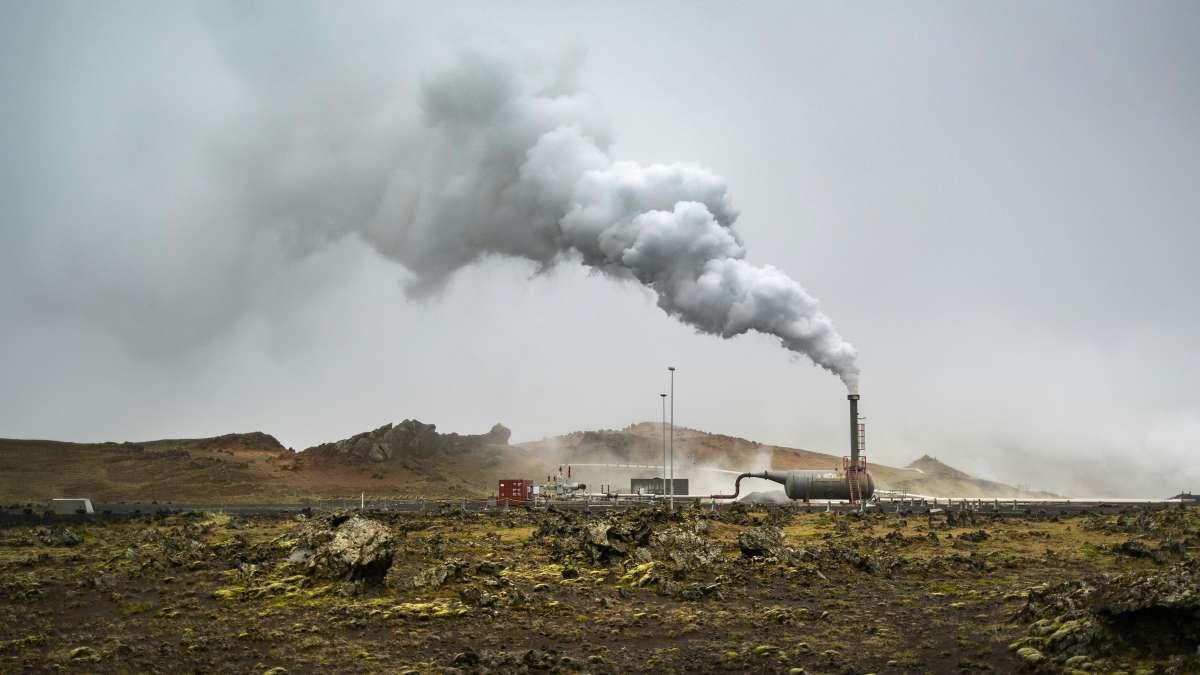
Smoke from a chimney in a countryside factory
The ESM is designed for daily life use. ESM perfectly blends rapid curing with customizable strength and complete recyclability. These great qualities make ESM an ideal choice for roof decks and wall panels, as well as the modular systems. Speaking of this material, it can also be repaired, which automatically reduces the long-term construction costs and promotes sustainability by minimizing landfill waste. Subsequently, Rahbar also candidly spoke about the potential impact of ESM and further added, “If even a fraction of global construction shifts toward carbon-negative materials like ESM, the impact could be enormous.”
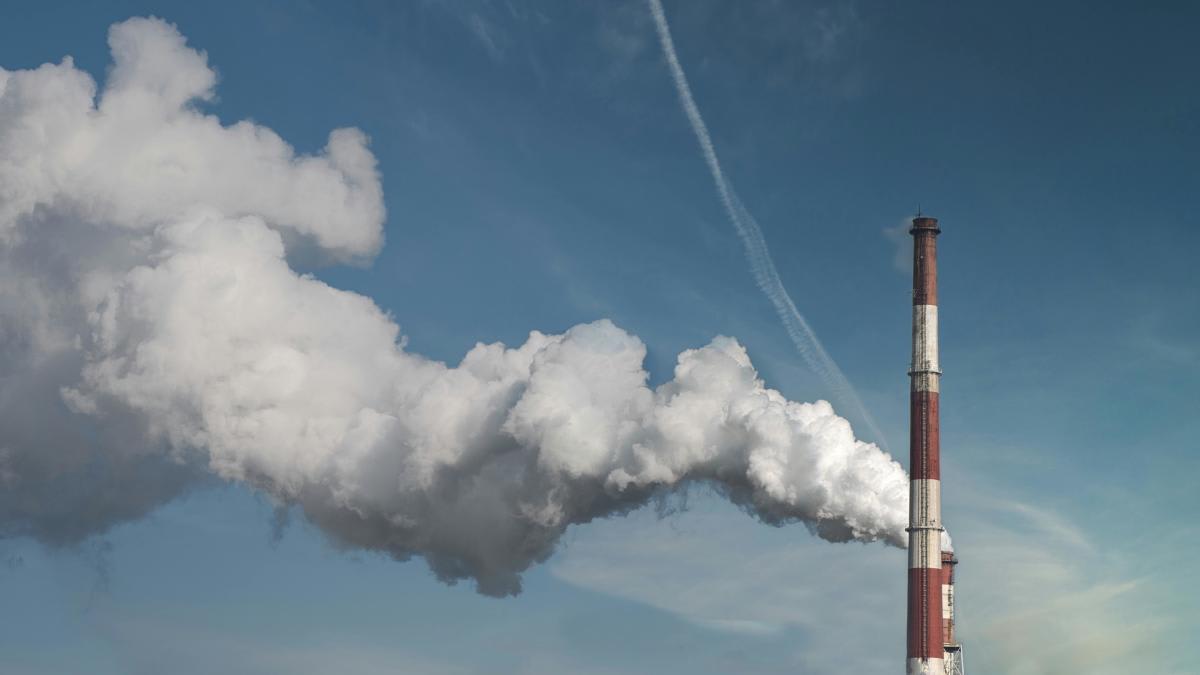
Enormous plumes of smoke are spreading through the sky
It appears that there is a big potential for ESM across different industries in the near future, and it can turn out to be very beneficial for our environment. The material can serve as a sustainable alternative to traditional construction, enabling affordable housing, climate-adaptive infrastructure, and rapid disaster recovery. Lightweight components are easy to handle, transport, and install, and thus, they can speed up the process of rebuilding the infrastructure following extreme events. Due to its heavy reliance on renewable resources and low-energy processes, ESM promotes the other environmental objectives, specifically the development of carbon-neutral infrastructure and circular, sustainable manufacturing.