
What is Aquamation? Scotland Legalizes This Greener Alternative to Cremation
Published March 3 2026, 7:23 a.m. ET

Kindly Earth, a Scottish company, offers alternative funerary services to grieving families with a process called 'water cremation.'
Ancient sages have repeated over the ages that humans are born from the dust, and when they die, they return to dust. New-age engineers have tweaked the concept. Instead of turning to dust, the body of the deceased will now be “dissolved into water,” a process called “aquamation.” The idea is not simply to flaunt and invent a glamorous version of cremation, but rather to develop something that ensures that nature is not harmed in the funerary process.
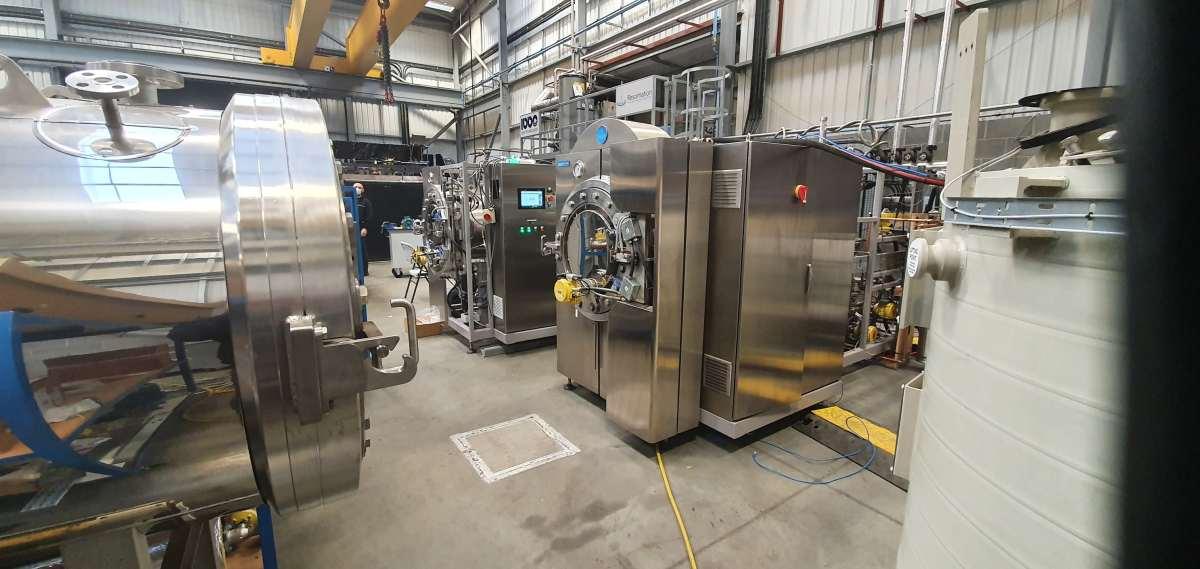
Innovative recycling machines that help with the funerary process of a deceased body using the medium of water instead of traditional flame-based cremation
Throughout their lives, humans unknowingly participate in the ravage of nature. Billions of tons of toxic-laced materials are dumped into the environment. Gas-guzzling vehicles emit fumes of carbon dioxide that travel to the sky and poison the air. Despite dozens of laws being issued, millions of trees are chopped down for wood. Forests are burned. Valleys are blasted for precious metals. Even the innocent animals are brutally slaughtered for their body parts. Till the last moment, humans voraciously feed on the resources of nature. It’s only the last moment when they can truly contribute to its healing and reverse the destructive loop they initiated. Water cremation is one of the ways to do this, and Scotland has already taken the first step.
Traditional cremation uses immense energy to fuel the fire to break down the body, which pumps millions of tons of carbon dioxide and pollutants into the air, according to IFLScience. In contrast, water cremation, a.k.a. flameless cremation, leaves less carbon footprint. About seven times less, to be precise. Inspired by these statistics, Scotland’s government has now made “water cremations” legal, which means families now have an “alternative funerary method” to say goodbye to their loved ones without damaging the environment. Kindly Earth, a company that is one of the first ones to offer this service, calls the process “resomation” or “green cremation.”
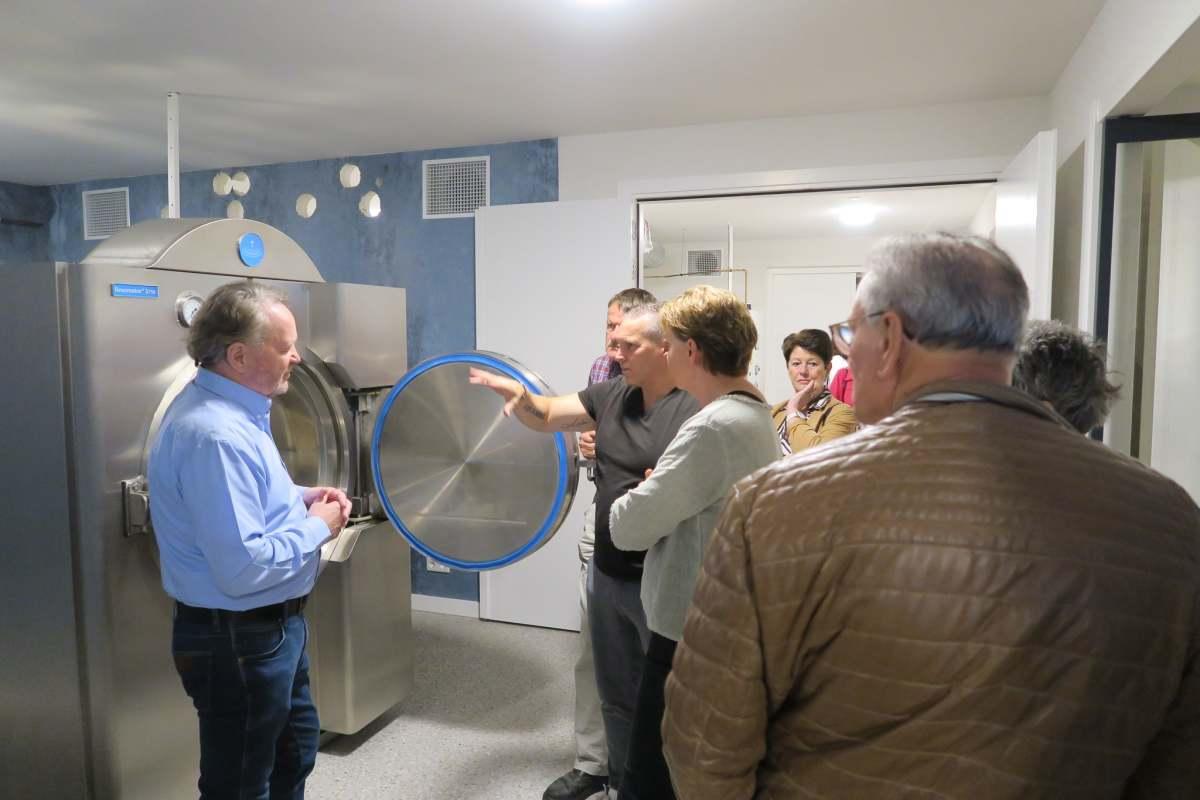
Snapshot of a resomation facility in the Netherlands
As a mortician explained on Facebook, the secret behind water cremation lies in a process called “alkaline hydrolysis.” The process utilizes water, heat, and alkaline chemicals to break down the body, leaving bone powder as remains. Public Health Minister Jenni Minto affirmed that this is an “environmentally friendly alternative” to more traditional burials or cremations. She added that the new technique allows grieving families the “freedom of choice” while ensuring that the deceased loved one is treated with respect, dignity, and care.
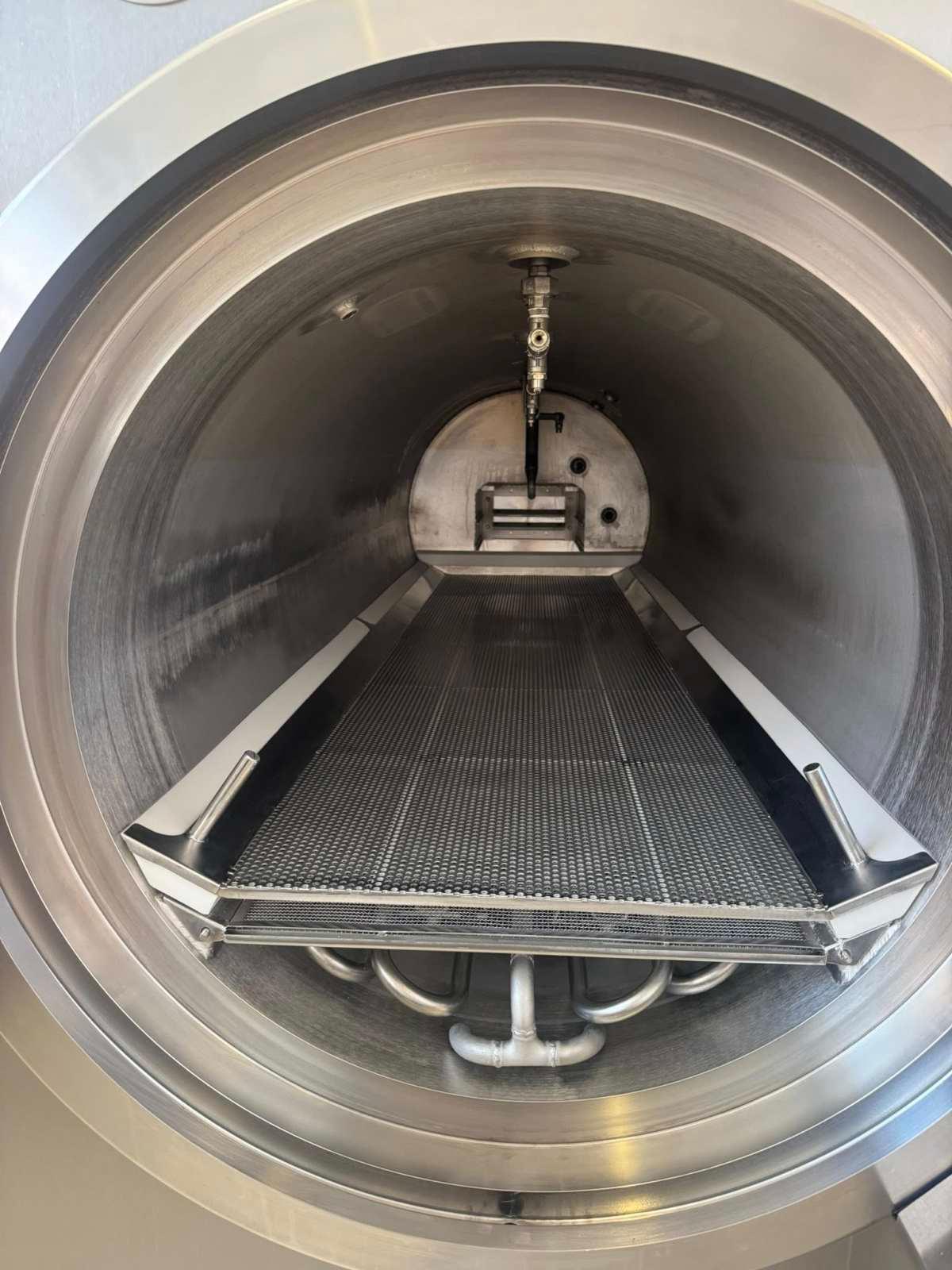
Fascinating view into New Zealand's first water cremation facility
For Scotland’s residents, this may be new, but water cremation has been implemented in countries like the United States and the Republic of Ireland for many years. The introduction, however, is not so simple. Lots of work is required. Hydrolysis equipment needs to be constructed. Permissions are to be acquired from Scottish Water, per the BBC. However, as long as locals support the emerging innovation, which they already do, companies might soon turn this into a default method. The goal is not only to innovate but also to minimize the negatives. Because for nature, it causes a tremendous difference whether the flesh burns in fire or whether it melts in water. Choose water, the wise ones say.