
Scientists Beg People to Stop Drinking From Plastic Water Bottles — Turns Out, It Can Be Deadly
Published April 15 2025, 9:46 a.m. ET

A little boy is being fed water from a plastic water bottle.
Plastic is the vile blackguard that sits on the lip of the planet, throttles the lungs of its green patches, and chokes the blue oceans. Ever since a chemist discovered this vicious substance, humans have been irresistibly attracted to it. In this case, however, it’s a toxic attraction. While humans remain dazed in the charming limerence for their pretty plastic products, the plastic slowly steals away the life from the planet, becoming nearly indestructible. Even when it is dumped and tossed in the landfills, it takes thousands of years to disintegrate. And even when it starts breaking down, it fragments into zillions of tiny-tiny particles that scatter and spread like seeds. They use the churning winds, the swells of oceans, and the soil beneath the crops to expand their territory.
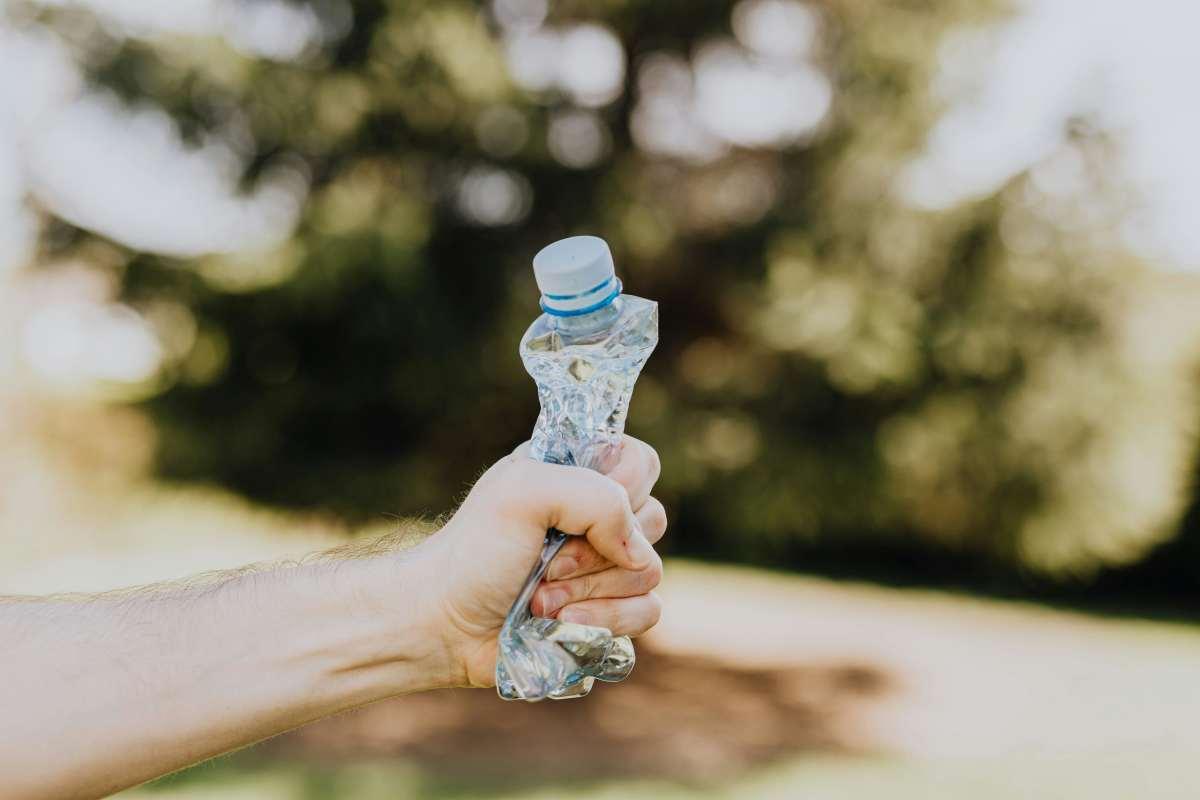
A person crushing an empty plastic bottle with cap.
The villainous plastic has now spread its chimerian tentacles from the remotest grasslands to the mouths of polar bears, human liver tissue, human blood, blood vessels, platelets, and even placenta and breast milk. In a study published in the journal Microplastics, researchers highlighted some of the ways in which these plastic beads lingering in Earth’s atmosphere are wreaking havoc on human health. In particular, the objective of this pilot study was “to investigate the effects of reduced plastic consumption on blood pressure,” as researchers noted in the paper. They concluded that beverages packed in plastic bottles should be avoided. “These small particles can penetrate intact cell barriers in the intestines and alveoli, thereby entering the bloodstream,” the researchers noted.
Branded water bottles design
To conduct the research, the team involved eight young and healthy adults from Austria, including five females and three males. All the participants were asked to take a plastic-restricted diet for a month and to replace their daily fluid intake with tap water and entirely abstain from drinking beverages coming in plastic or glass bottles. Their blood pressures were checked three times in intervals of two weeks. The female participants showed a significant dip in their diastolic blood pressure. The readings were analyzed based on the assumption that tap water contains significantly lower amounts of plastic pollutants in plastic bottle beverages.
Close-up photo of a water drop.
“Based on these preliminary data, we believe that reducing the oral intake of plastic particles could potentially make a significant contribution to lowering blood pressure. These particles have been detected in high levels in plastic and glass bottles [34,35], and reducing their intake can potentially decrease their absorption into the bloodstream via the intestines. The limited presence of plastic particle circulation in the bloodstream may contribute to a diminished cardiovascular burden,” the team concluded.
Network of glowing nerve cells in human brain
Given these observations, one might think that they should avoid drinking water or other beverages from plastic bottles, but seeing it from a different perspective, this option is neither feasible nor practical. The International Bottled Water Association told The Cool Down that linking bottled water to microplastics with high rates of cardiovascular diseases is “our on-the-go society.” However, bottled water provides a safe, healthy, and convenient beverage choice, and "discouraging people from choosing this healthy drink option is not in the public interest."