
Thousands of Red Stinging Jellyfish Wash Up on Australian Beaches
Published Feb. 2 2026, 6:16 a.m. ET

A swarm of red stinging jellyfish on the Australian beaches.
Australian beaches are being colonized by an array of red stinging jellyfish, and the beachgoers have been warned. Thousands of lion’s mane jellyfish have drifted into shallow waters and washed up on beaches across Port Phillip Bay in Melbourne, stretching from Altona in the west to Blairgowrie on the Mornington Peninsula, as per The Guardian. Neil Blake, the Port Phillip Baykeeper, revealed that a jellyfish invasion of that scale is quite unusual and rare and that the last comparable event happened about four years ago. This incident, dubbed “jellygeddon,” followed the bloom of bluebottles across Victorian beaches that occurred in December last year. However, the invasion of lion's mane jellyfish was far worse about a week ago when a "massive smack" prompted the urgent closure of one Melbourne beach.
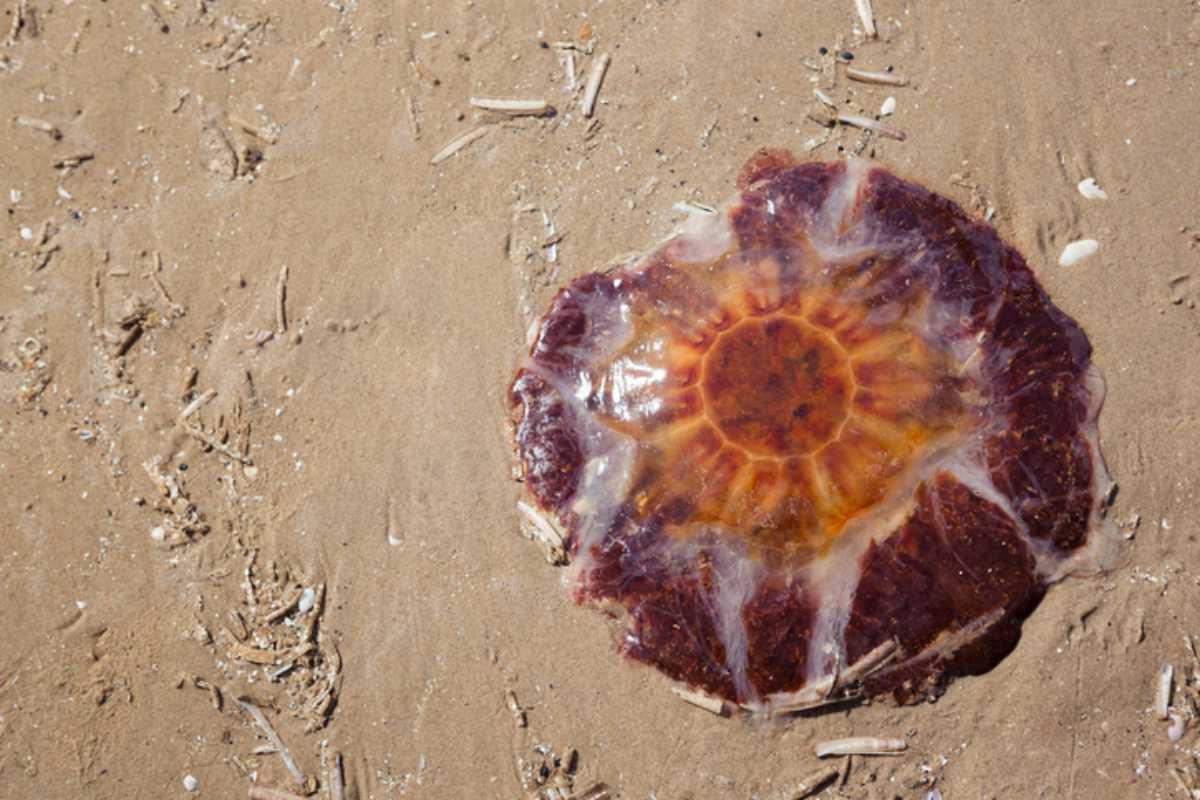
A lion's mane jellyfish on the sand on a beach.
Blake described the jellyfish as peach-sized with "quite long tentacles" and about 3 feet or slightly more in size. Bayside City Council shared a clip of the jellyfish invasion in a Facebook post, explaining what makes these sightings unusual. "Last month it was blue bottles, this month, it’s lion’s mane jellyfish. The joys of an Australian summer!" the caption read. "Jellyfish sightings and strandings are a natural and fairly common seasonal occurrence, but we’re seeing more of them around the Bay at the moment," the council added. The post also included a list of safety measures that swimmers and beachgoers must follow. Being careful and not stepping on these stinging jellyfish is the first and most crucial note. "Please take care when swimming, walking barefoot on the beach, or out with your dogs," the advice said.
However, in case someone did get hurt or stung, the council advises removing tentacles and rinsing the stung area with seawater. Later, place the affected area under hot water, but if that’s not available, a cold pack can be a good alternative. “Stings are usually mild, but can be dangerous for young children, older people, and those with allergies. Seek help if symptoms worsen,” the outlet warned. According to The Guardian, a Life Saving Victoria spokesperson has advised beachgoers against swimming. “If you can see jellyfish in the shallows, don’t swim,” they said. “Stick to patrolled beaches and always swim between the red and yellow flags. Don’t touch jellyfish on the sand as they can still sting,” they added.
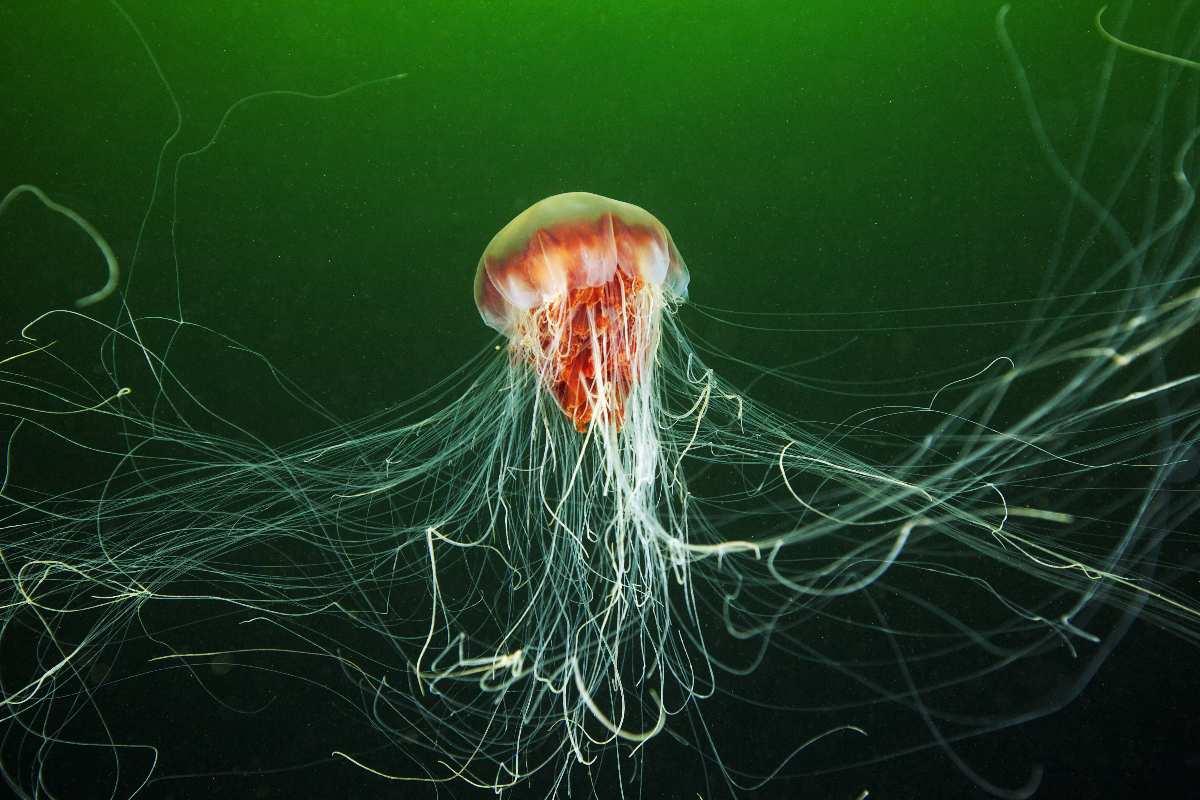
A lion's mane jellyfish underwater.
What's the reason behind these stinging jellyfish washing up on the shores? Jellyfish expert Dr. Jonathan Lawley revealed that this species of jellies are "not very good swimmers" and often flow along the water's current. That's why so many lion's mane jellies drifted to the shores instead of staying within the deep waters. “We often only observe them when the tide and currents bring them to shore – that’s when we see these huge numbers,” the expert revealed. The sea creatures are seen in a negative light because of the threat they pose to the public, but experts revealed that jellies play a major role in the food web underwater.
Many smaller fish tend to rely on the jellyfish swarms to protect them from predators. Moreover, the blooms are not as harmful as they appear temporarily and disappear when they die or are eaten by other animals.