
This Newly Discovered Tomb in China Is Overflowing with Stunning Gold and Silver Treasures
Published Jan. 9 2026, 3:33 a.m. ET

Ornate jewels, artifacts, and pottery belonging to the Tang Dynasty that archaeologists discovered in China
A little over 1,100 years ago, China was living its golden age, governed by the Tang rulers. It was high time. Women were rising in power. Poets like Li Bai and Du Fu were getting recognized for their poetry, as China Daily HK and History Guild explain. The government introduced merit-based examinations while art shops became famous for woodblock printing, a technique they also used in their first-ever book, a Buddhist scripture translated from Sanskrit to Chinese called the Diamond Sutra, per The Smithsonian.
Within the cosmopolitan morass engineered for international trade, merchants from neighboring countries came and went. Monks from across the world arrived and triggered a fusion of Chinese Buddhism with international religions like Christianity and Zoroastrianism. Emperors demanded black peppers and lychees from southern China, and their wealthy mistresses ordered cosmetic caskets, jewelry boxes, and ornate jewelry that was brought via the Silk Road.
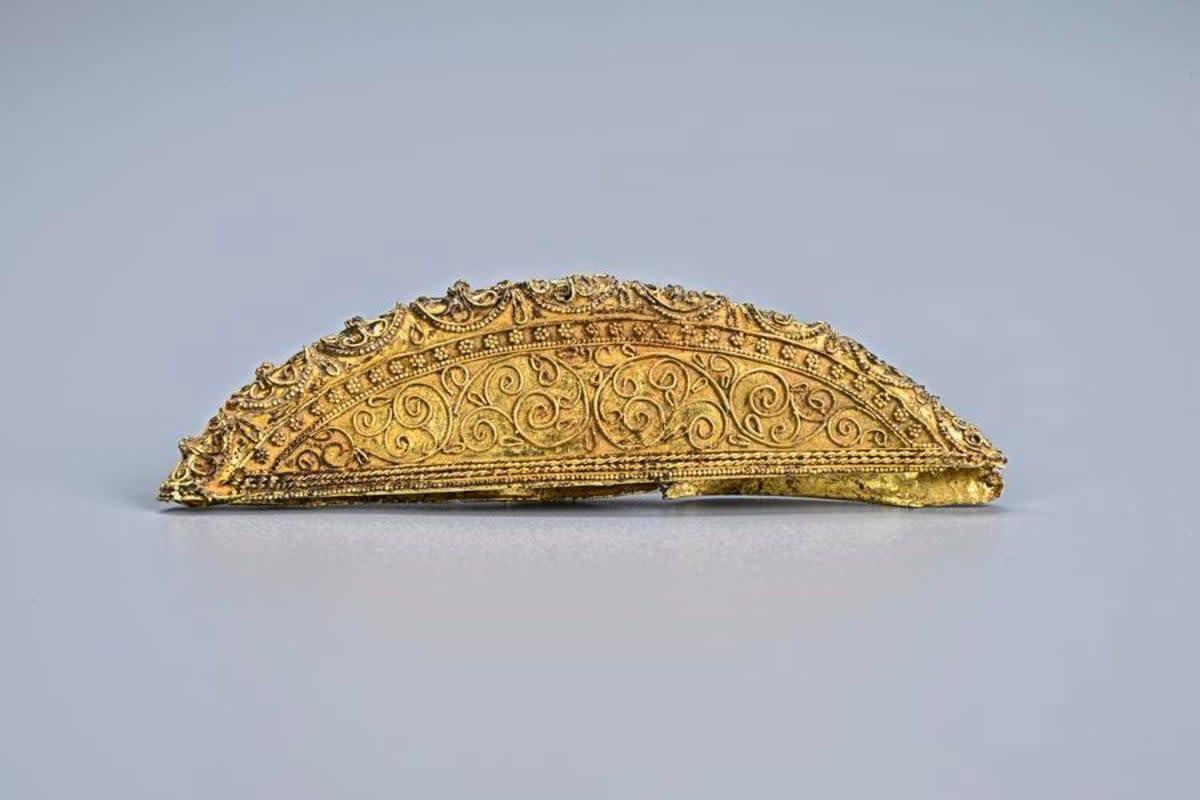
A gold hair ornament unearthed from the tomb of Ma Sanniang
As it happens every time, once the emperors and their families passed away, all these artifacts, books, and goodies were abandoned to China’s dust. For thousands of years, they remained entombed in the understory of China’s silent grounds, until quite recently. According to a report by the Xinhua News Agency, archaeologists in China announced the discovery of a tomb from this period that is jangling with dozens of glittering artifacts that were designed during the reign of the Tang dynasty.
The discovery was made during an extensive excavation that happened between January 2022 and April 2024, led by archaeologists from the Shaanxi Academy of Archaeology in northwestern China. While combing the Jiali village in Xi’an’s Chang’an District, their instruments bumped into this ancient tomb. Dating analysis suggested that it belonged to someone from 618-907 AD, meaning someone who lived as part of the Tang empire. Archaeologists suspect that the tomb, designated as M228, belonged to Ma Sanniang, the wife of a Tang dynasty military officer named Dong Shuxian.
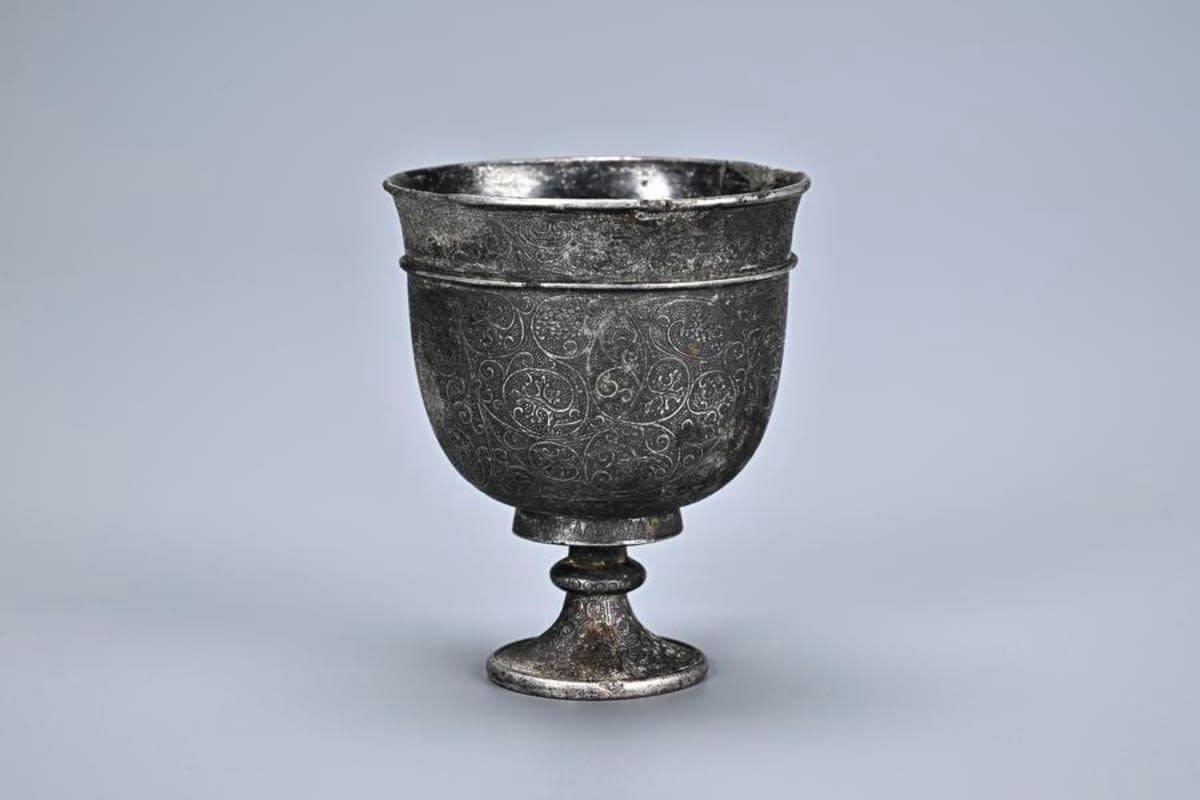
A silver-stemmed cup unearthed from the tomb of Ma Sanniang
The woman was rich, and the Tang empire was at the peak of power. The information makes it unsurprising for the tomb to contain precious items and artifacts that archaeologists exposed during the excavation. The artifacts enabled archaeologists to travel back in time and illuminate the Chinese world during this period, including its craftsmanship, culture, foreign interactions, international trade, funerary customs, social hierarchy, and details like these.
Some of the artifacts feature western-inspired designs, which suggests that the Tang society was already building good rapport with its international neighbors during its peak. Another interesting feature that archaeologists noticed on these artifacts was the style of motifs and the materials used in making the jewels. Many of the artifacts, including ornamented stemmed cups, featured grapevine motifs, which are symbolic of fertility and abundance in their culture.
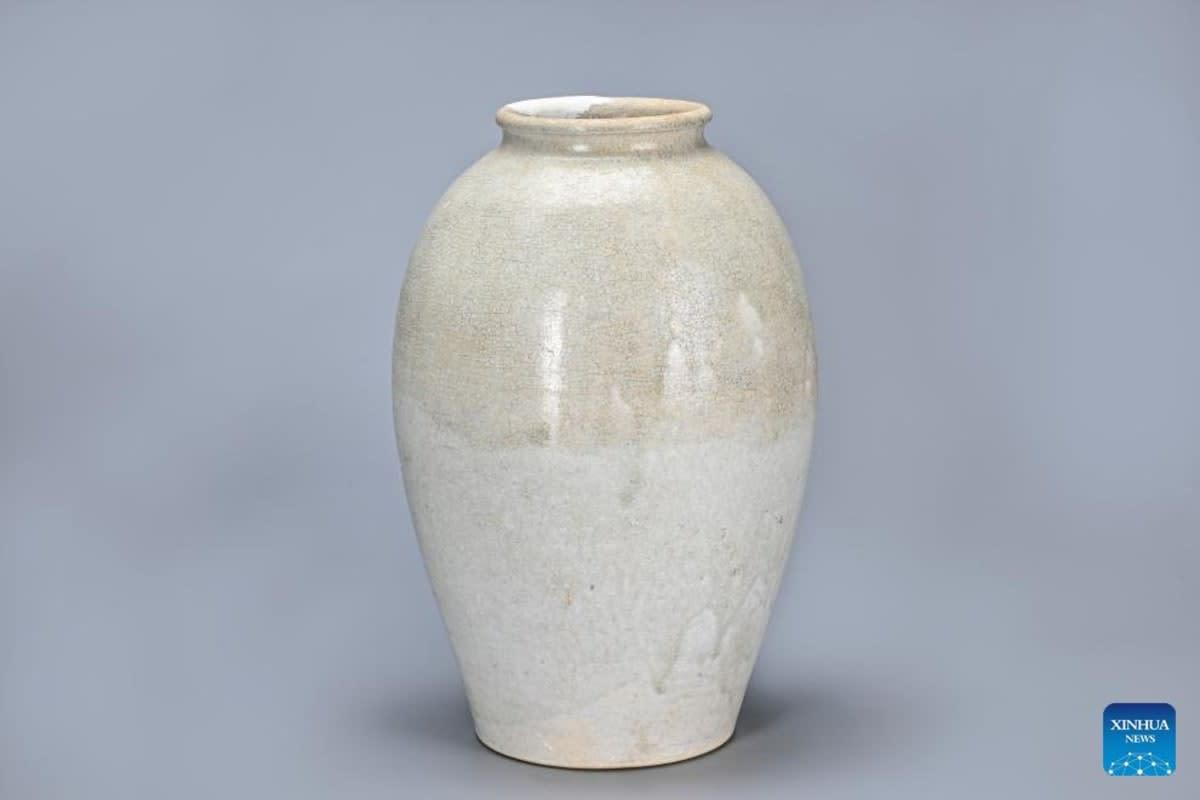
Ivory-colored ceramic vase belonging to the Tang Dynasty that archaeologists discovered in China
The era was also known to use materials like gold, silver, bronze, and ceramic for jewelry making and avoid too many glittery stones like diamonds. The same was observed in the artifacts archaeologists discovered on the site. The list of items discovered includes potteries, stone objects, gold and silverware, hair ornaments, and more. These items make us look back in time and see a jeweler or a metalworker perform intricate engraving, hammering, chiseling, and metalworking on these items, with utmost technological sophistication and stylistic techniques.