
Scientists Find Rare Monk Seals Using a Hidden Underwater Language that Defies all Expectations
Published Jan. 21 2026, 10:30 a.m. ET

A seal playing in the water
Hawaiian monk seals (Neomonachus schauinslandi) have managed to surprise scientists by using a complex range of underwater sounds. Experts are compelled to study more deeply about them and find more effective ways to protect this endangered species. UH Hawaiʻi Institute of Marine Biology has conducted a new study on the animal and has found new ways in which they communicate underwater. The study, published in Royal Society Open Science, analyzed thousands of hours of underwater sound recordings. According to experts, monk seals use 25 different underwater sounds, which is far more than the previously known 6 calls studied in captivity.
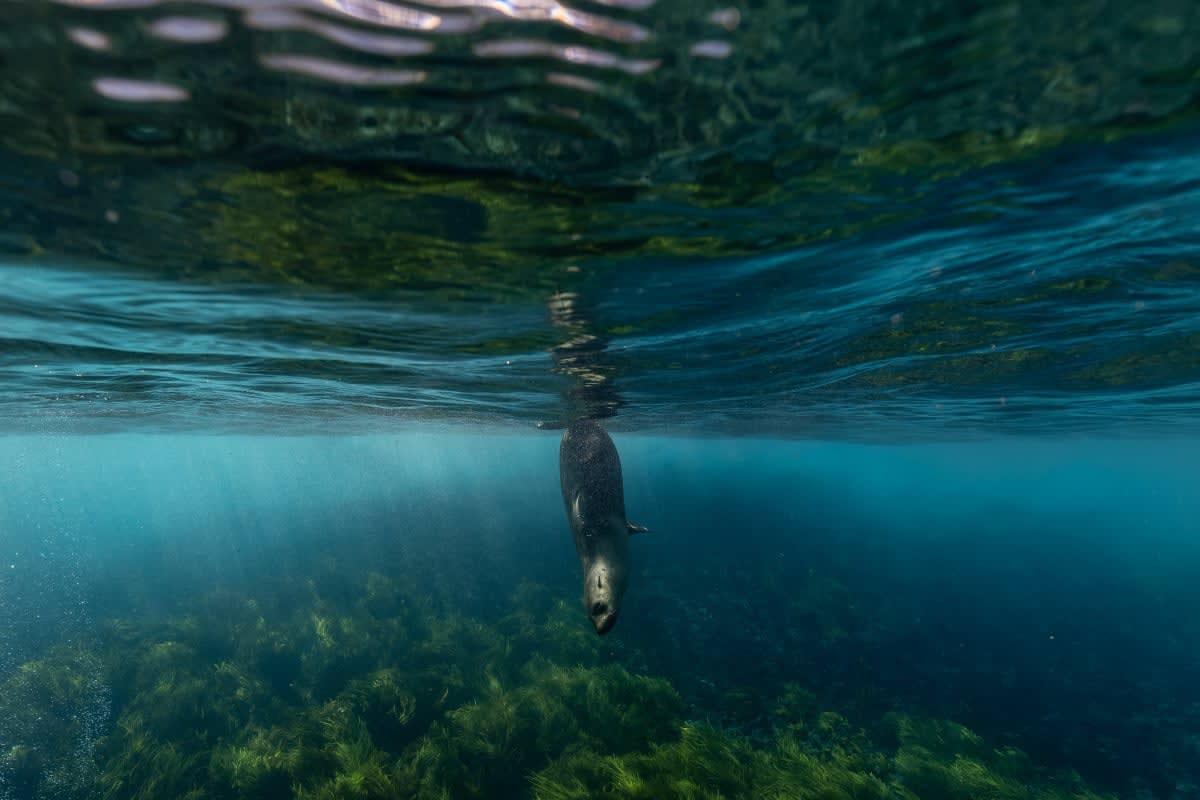
A seal in water
Moreover, the study has also revealed that the monk seals use low-frequency sounds throughout the day. These calls could be heard across the Hawaiian Archipelago and were common in areas where the seal population was greater. “We discovered that Hawaiian monk seals—one of the world’s most endangered marine mammals—are far more vocal underwater than previously known. By analyzing over 4,500 hours of recordings from across the Hawaiian Archipelago, we identified more than 23,000 vocalizations representing at least 25 distinct call types.” said Kirby Parnell, lead author of the study and a PhD candidate with MMRP.
Researchers placed sound recorders underwater to draw these conclusions. Devices were placed from Molokaʻi to the remote Northwestern Hawaiian Islands, and many discoveries were made from the recordings. The team discovered that monk seals use many more sounds than scientists had ever known, including 20 call types never recorded before. Furthermore, the data also revealed that the monk seals linked different sounds together to create “combinational calls,” which is a type of communication that has never been reported in any seal or sea lion species. With further research, they also identified a new sound called the "whine." They made this sound while searching for food, making it the only second case of seal species producing sounds while hunting.
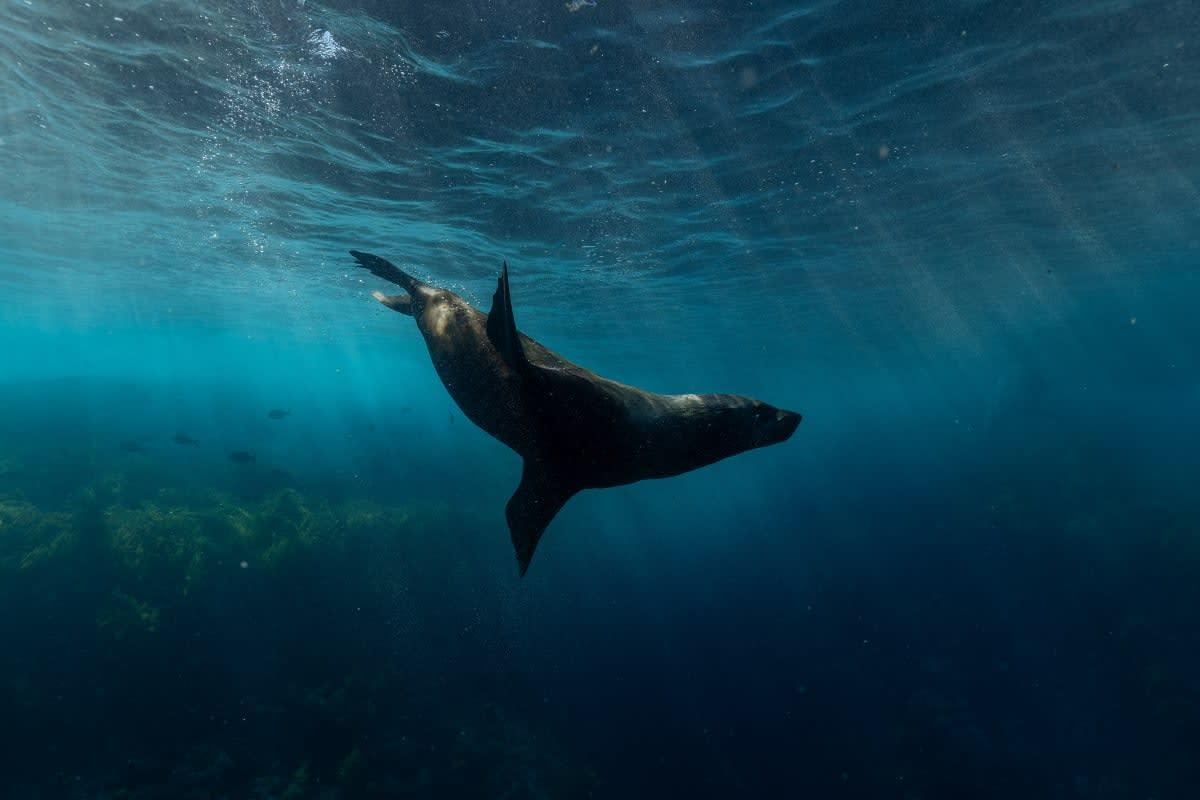
An Australian Fur Seal swims
“We were surprised by the sheer diversity and complexity of monk seal vocalizations. The discovery of combinational calls, where seals link multiple call types together, suggests a previously unknown level of complexity in pinniped acoustic communication. Finding a new call type—the Whine—associated with foraging behavior was also unexpected and suggests that monk seals may use sound not only for mating or socializing but possibly for foraging purposes as well,” said Parnell.
This study holds great importance because Hawaiian monk seals can only be found in Hawaii and nowhere else. It is important for the conservation of the species since human activity has been increasing rapidly. Understanding how these seals communicate has become more important than ever. Since the seals depend on the underwater soundscape to survive, rising levels of ship traffic and noise can affect their situation. “Because their vocalizations overlap with the same low-frequency range as many human-generated sounds (e.g., vessel noise), this work also helps us evaluate how ocean noise may affect communication, reproduction, and behavior in this endangered species,” says Lars Bejder, co-author of the study.
A diver emerges from beneath the ocean waters
Passive acoustic monitoring has also been suggested in the study as another conservation tool. Researchers can track populations even in the remote areas by listening to seal calls without disturbing the animals. Moving ahead, scientists hope to develop efficient methods to track seal sounds over long periods. This will ultimately help them to protect ocean habitats that seals depend on.