
Hidden 'Darkwaves' Discovered Beneath the Sea — and It Threatens Sharks and Deep-Sea Fish
Updated Jan. 15 2026, 9:34 a.m. ET

Surreal shark swimming in deep waters
Light is a fundamental need. Where there is life, light is the most common driving energy; all creatures living on the surface of Earth have easy and free access to a bounty of light energy from the Sun, but those living deep underwater are deprived of it. While darkness is permanent at many places below 1,000 meters in the ocean, some places are engulfed in similar darkness for short periods of time, affecting the ecosystem of those regions. In a study published in "Communications Earth & Environment", researchers from the University of California, Santa Barbara (USB) explored these sudden, intense periods of underwater darkness, naming them "marine darkwaves."
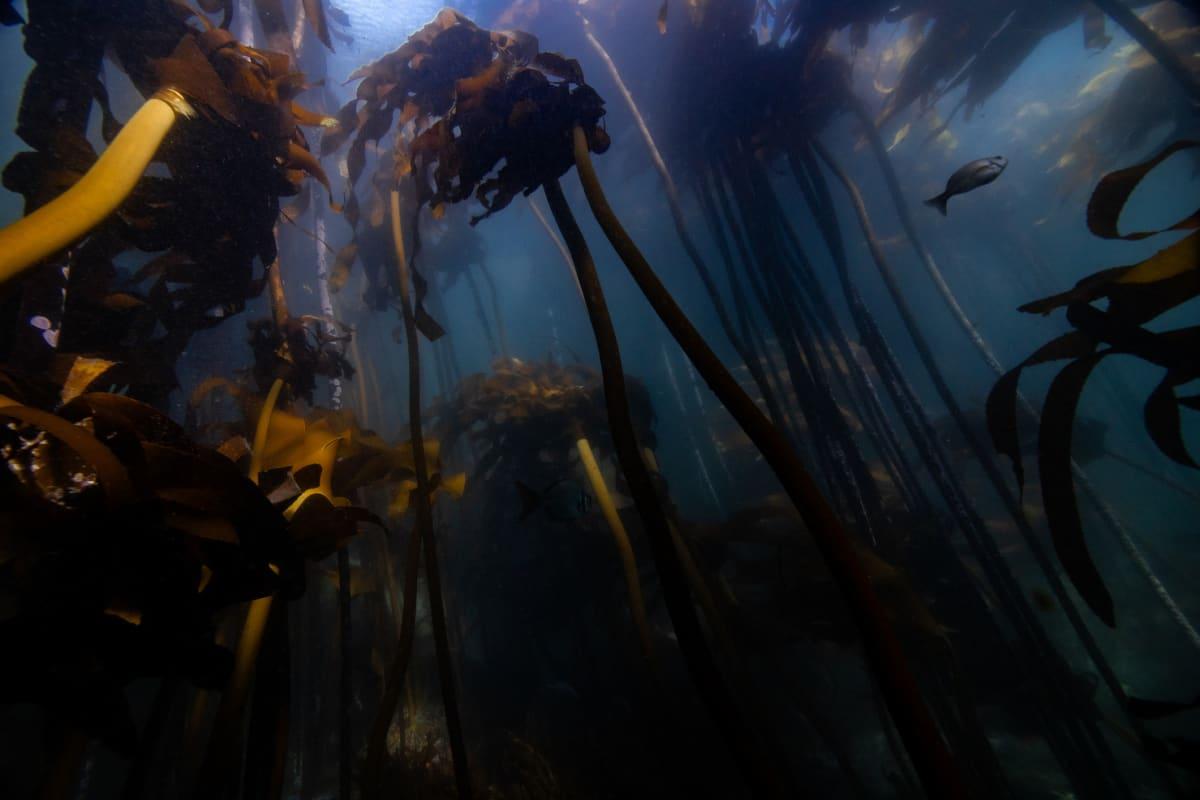
Dark and murky kelp forest
Just as clouds, smoke, or fog can obscure the light rays of the Sun in the sky, in certain marine ecosystems, natural features can block light completely, making survival difficult for organisms dependent on photosynthesis. Researchers reported that these photosynthetic organisms suffer from recurring episodes of underwater darkness caused by carpets of algal blooms, organic matter, seagrass meadows, coral reefs, sediment runoff, and sea floor debris.
"Light is a fundamental driver of marine productivity," lead author François Thoral said in a press release. "Even short periods of reduced light can impair photosynthesis in kelp forests, seagrass beds, and corals," Thoral continued, adding, "These events can also influence the behaviour of fish, sharks, and marine mammals." In the paper, he and his colleagues explained that coastal darkening and light availability are the most pressing concerns in coastal ecosystems, their biological implications being enormous.
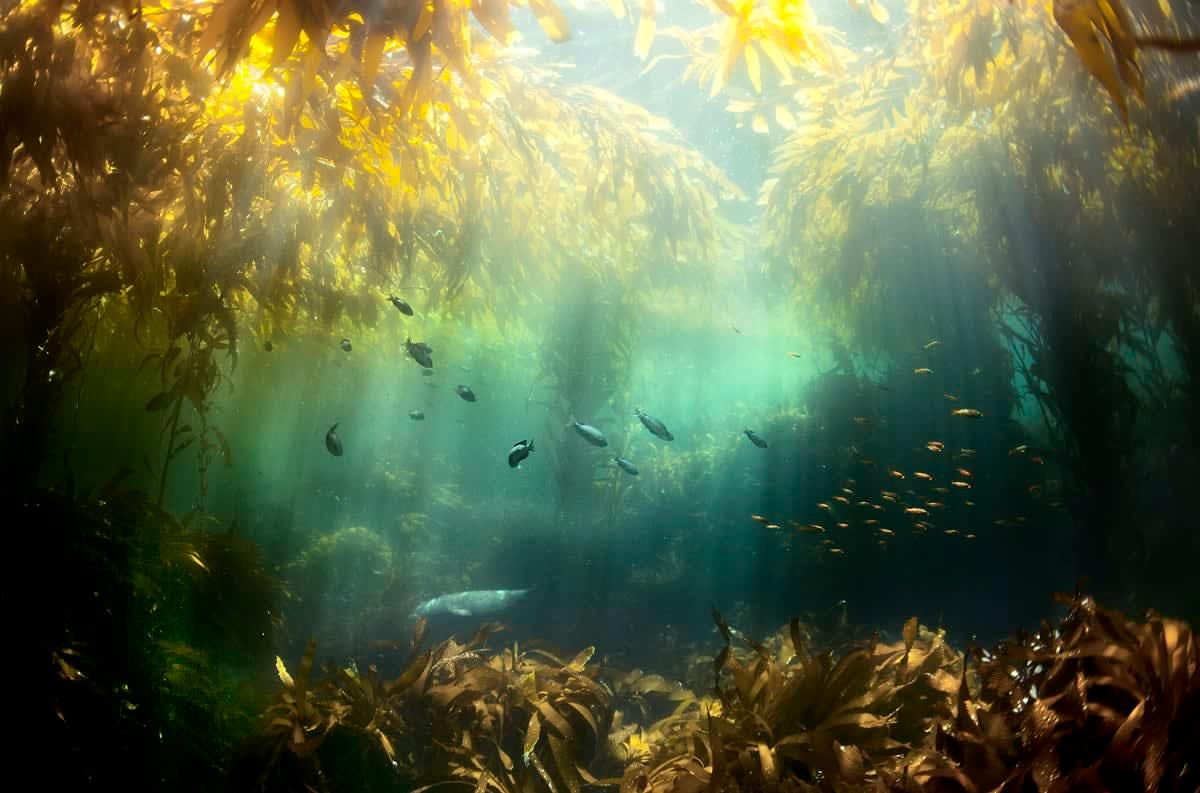
Seagrasses and fish in an underwater ecosystem in Santa Cruz Island
That's why the onus tumbled down on humans' shoulders, and the group of researchers decided to do something about it. There is still no solution on how to support these light-starved creatures, but with this study, researchers hope to understand the causes and contributing factors in detail so they can take protective measures to help the ecosystem.
Thoral and his team designed "Marine Darkwave Framework," the first ever system that can identify and compare marine blackouts, an event-based system that records the frequency, duration, and intensity of episodic reduction in underwater light. To design the framework, they utilized a mountain of data gleaned from 16 years of measurements from the Santa Barbara Coastal Long Term Ecological Research Site (LTER) and 10 years of data from New Zealand coastal sites in Hauraki Gulf/Tīkapa Moana, in the Firth of Thames. They also leveraged 21 years of measurements of seafloor light recorded through satellite imagery.
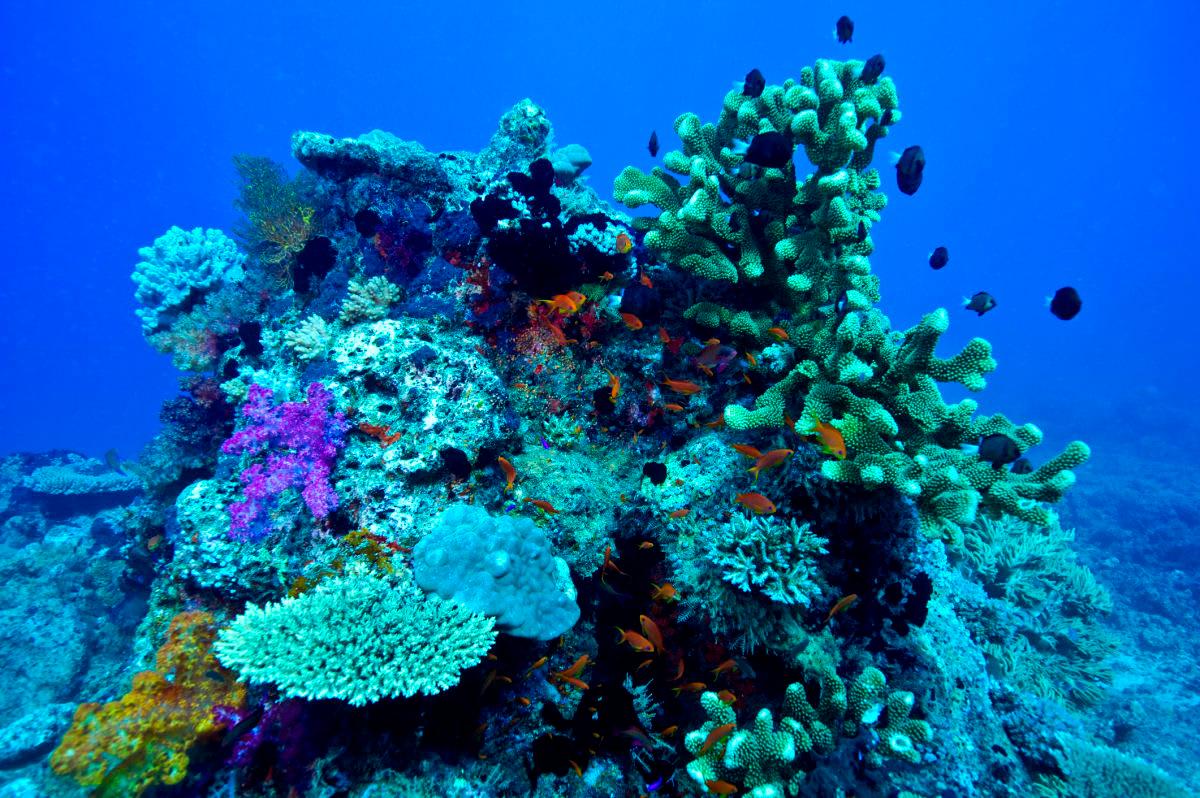
Coral bommie and staghorn corals in Rabi Islands
Data showed that marine darkwaves in these areas ranged from brief episodes lasting only a few days to prolonged spells that persisted for more than two months. In just the East Cape, 25 to 80 blackouts were registered since 2002. Many of them were attributed to weather disruptions, climate changes, and powerful storms, including Cyclone Gabrielle. They also pinned down contributors like marine heatwaves, cold spells, acidification, and gradual shifts in environmental conditions like sea temperature, water pH, wave exposure, and dissolved oxygen.
Some of these conditions triggered extreme short-term events that resulted in mass mortalities, population collapses, and ecosystem reorganizations. Collectively, the data suggested that even short periods of light deprivation can prove worrisome for deep-water marine organisms, affecting everything from their swimming rhythms to overall survival behaviors. Looking ahead, the team will continue to investigate California's kelp forests, which are often overwhelmed by fires and mudslides. As light data keeps coming to the researchers, they fervently hope that light keeps reaching those who need it inside their sunless water home.