
Scientists Discover a Hidden Threat Contaminating a Major U.S. Waterway
Published Feb. 23 2026, 6:36 a.m. ET

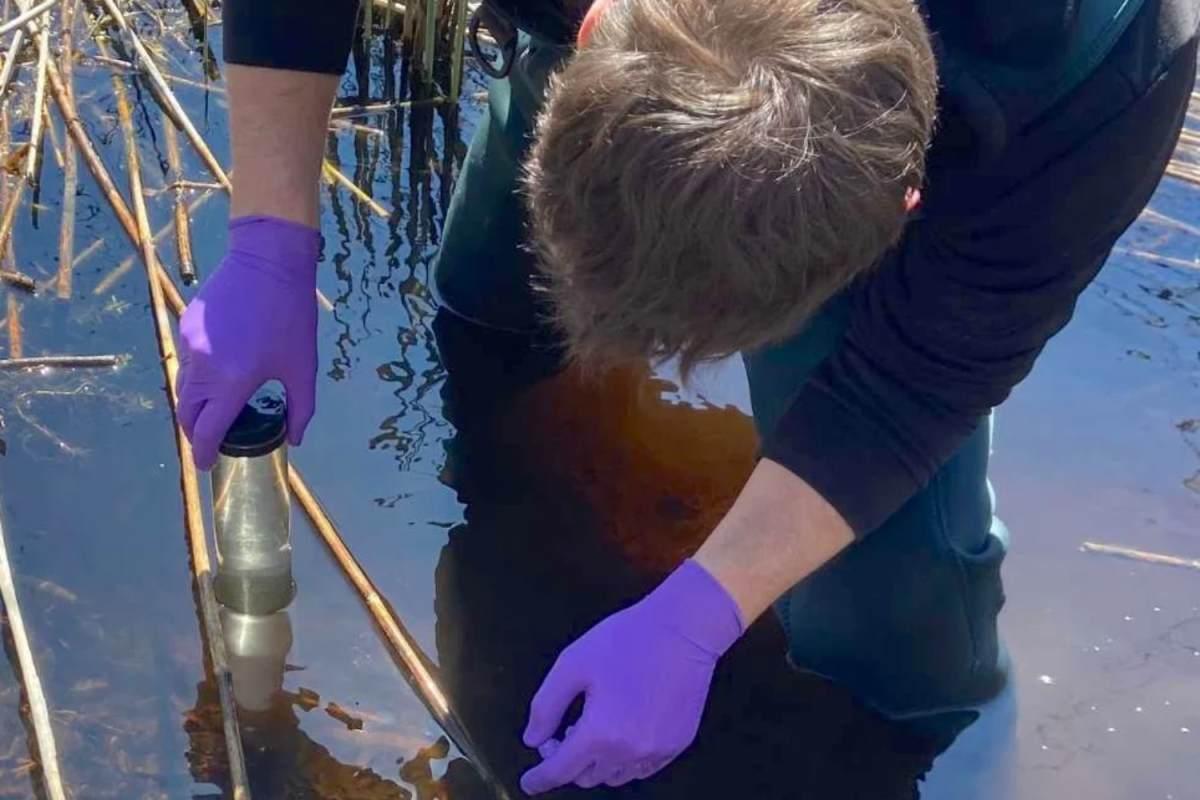
Jarod Snook collected water samples from sites that were previously identified as PFAS “hotspots.”
There's a dangerous imposter within Rhode Island's Pawcatuck River, and scientists have just uncovered it. According to a study in ACS ES&T Water, while examining the river, researchers found PFAS, also known as "forever chemicals," within the sediments of two nearby ponds. These ponds have now become "slow-release sources," sending the harmful chemicals into the Pawcatuck River, polluting one of the major US waterways that people rely on. But the scariest part of these "forever chemicals" residing within the river body is that their impact on water could last for decades. According to the study, the PFAS that settled into the soil don't remain there forever. Even though some compounds attach strongly at first, they eventually drift back into the water and continue moving through the river system.
However, researchers believe that in some cases, the chemicals trapped in the pond sediments may keep leaking back into the waters for years, even more than a century. This method of studying PFAS contamination in waters might help understand other similarly polluted hotspots around the world. Study lead Jarod Snook thinks that their approach could serve as "an example for many other PFAS-contaminated sites around the world." The chemicals entered the waterway through two historically contaminated retention ponds, located in Bradford and Westerly, Rhode Island, that accumulate waste from textile mills. The researchers used a combination of environmental sampling techniques and modeling to identify how chemicals from the pond were deposited in the river.
Water containing PFAS entered the Pawcatuck River from two historically contaminated textile mill waste retention ponds in Rhode Island.
Surprisingly, the PFAS from the pond continue to flow and deposit within the river even years after the production at the textile mill ceased. Scientists fear that this slow release of chemicals might continue for 100 years or even more. It's believed to be a persistent problem of the future and therefore requires attention. The "forever chemicals," as the name suggests, don't dissolve into the environment and persist for a long time, causing harm to the surroundings. They are widely used in commercial products, such as stain-resistant fabrics, firefighting foam, and nonstick coatings, as per NRDC. For most people, this chemical is a part of their everyday lives. Humans consume these chemicals through food, water, and even clothes, unbeknownst to the negative impacts they can have on health.
Once the PFAS seeps into water or settles into the sediments, the marine ecosystem becomes vulnerable, local ecosystems are disrupted, and the chemical begins to accumulate within aquatic species. Since the chemicals are free flowing, they can contaminate freshwater sources, eventually posing a risk to humans. The Pawcatuck River is one of the hotspots for recreational and commercial activities like fishing, and a reliable waterway for the locals.
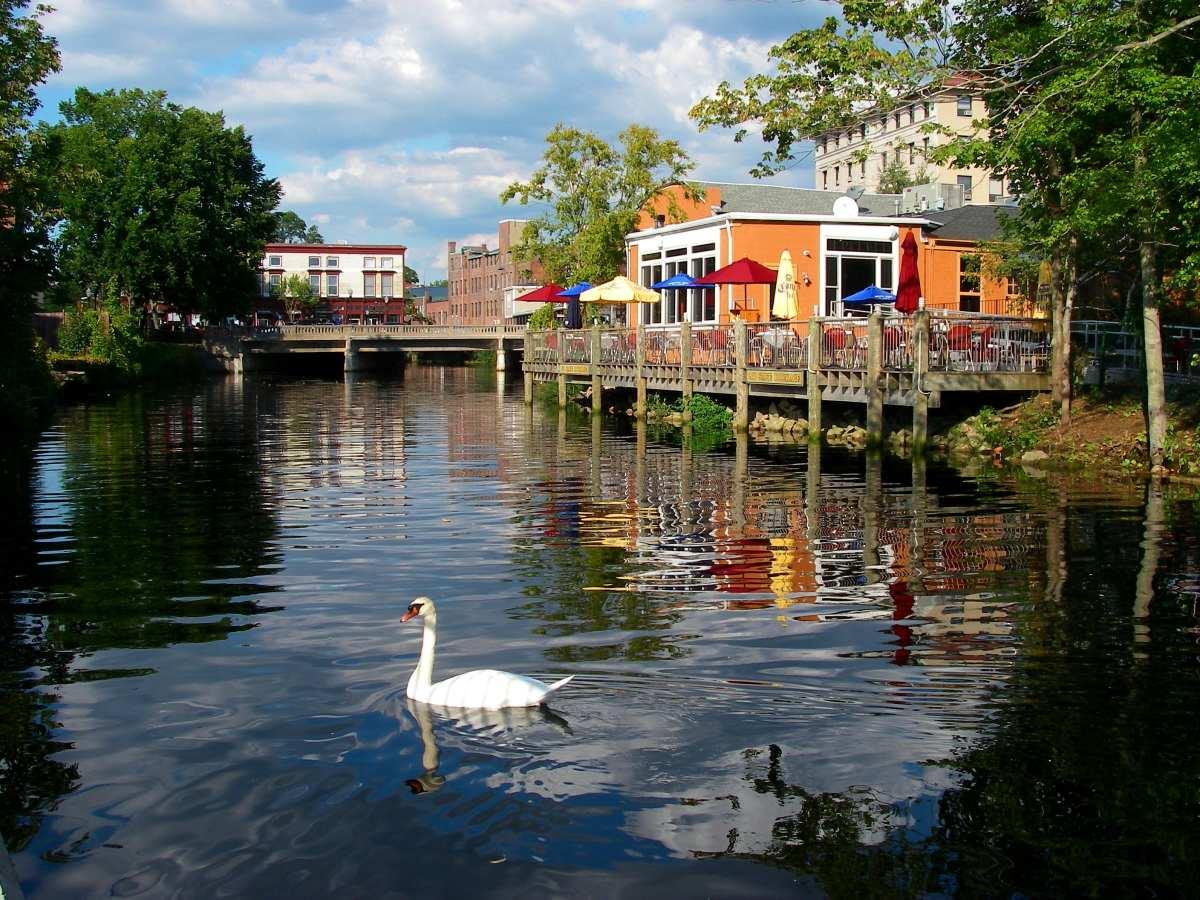
Pawcatuck River looking south, with Westerly, RI buildings in view but Pawcatuck, CT is just off (out of view) to the left.
“Rhode Islanders value their aquatic environment,” Snook said. “Keeping it free from pollution is part of that value. We hope this study sheds light on the PFAS issue affecting the Pawcatuck River so that action can be taken to remediate contamination at its source," he added. The two ponds that the study identified as a slow-leaking source of PFAS into the river were previously deemed PFAS "hotspots" by Lohmann Lab, whose members are part of the study. The study involved a device, designed by Snook himself during his doctoral research, which helped researchers measure PFAS in the water and detect the movement of the contaminated sediments. “My hope is the results will be useful for Rhode Islanders as well as the scientific community,” Snook added.