
Popular Supermarket Chain Recalls Mixed Nuts Over Salmonella Contamination — Check Your Pantry
Published Dec. 4 2025, 7:57 a.m. ET

Woman snacking on a trail mix of nuts and seeds
In the movie The Matrix, the main character Neo eats an unappetizing “protein mush” that would fulfill his body’s nutritional needs without loading up on real food. In real life, a handful of nuts would probably be the equivalent of the fictional nutrition-packed porridge. Nuts are not only enriched with nutrients, but also carry lots of chemicals that help the body strengthen its protective barrier against infections and diseases. Recently, though, some packs of nuts have become contaminated with a deadly bacterium, due to which the company, Wegmans, has issued a voluntary product recall, according to a press release.
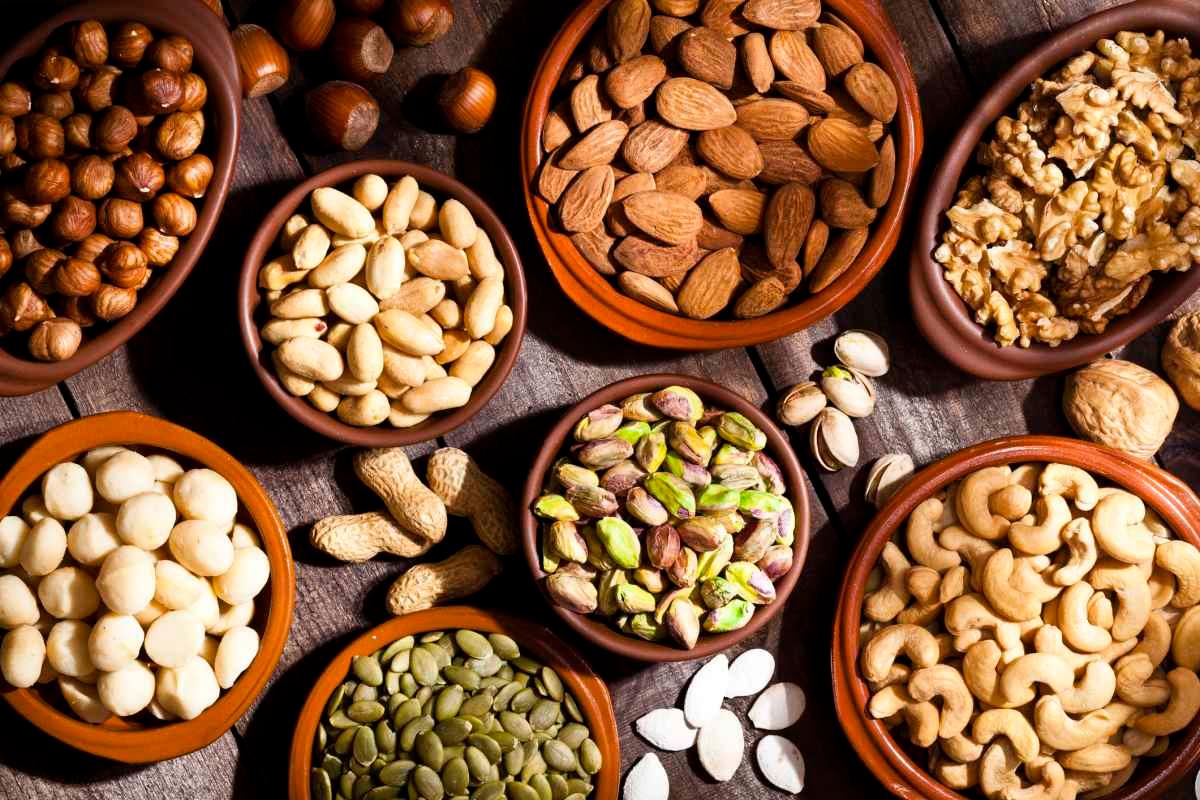
Assorted tree nuts in different bowls
Wegmans, the popular East Coast supermarket chain, states that two of its products are likely to be contaminated with Salmonella, a bacterium that tends to enter a food product through water, soil, plantation, or poor packaging. In this case, the recalled products come in plastic jars topped with black lids and blue packaging labels that display labels in colorful graphics. Both of the recalled products are different varieties of “mixed nuts,” manufactured in Canada.
One product goes by the name “Wegmans Deluxe Unsalted Mixed Nuts, FAMILY PACK 34 OZ” with UPC 0-77890-42131-4 and best-by date of July 28, 2026. The lot code featured is DC 58041, located below the lid on the side of the tub. The second recalled product goes by the name “Wegmans Deluxe Unsalted Mixed Nuts 11.5 OZ” with UPC 0-77890-42135-2, best-by-date of August 10, 2026, and lot code DC 58171 printed on the back of the bag at the bottom. Both these mixes contain nuts like cashews, pistachios, almonds, and pecans, roasted in canola or soyabean oil, according to the product description.
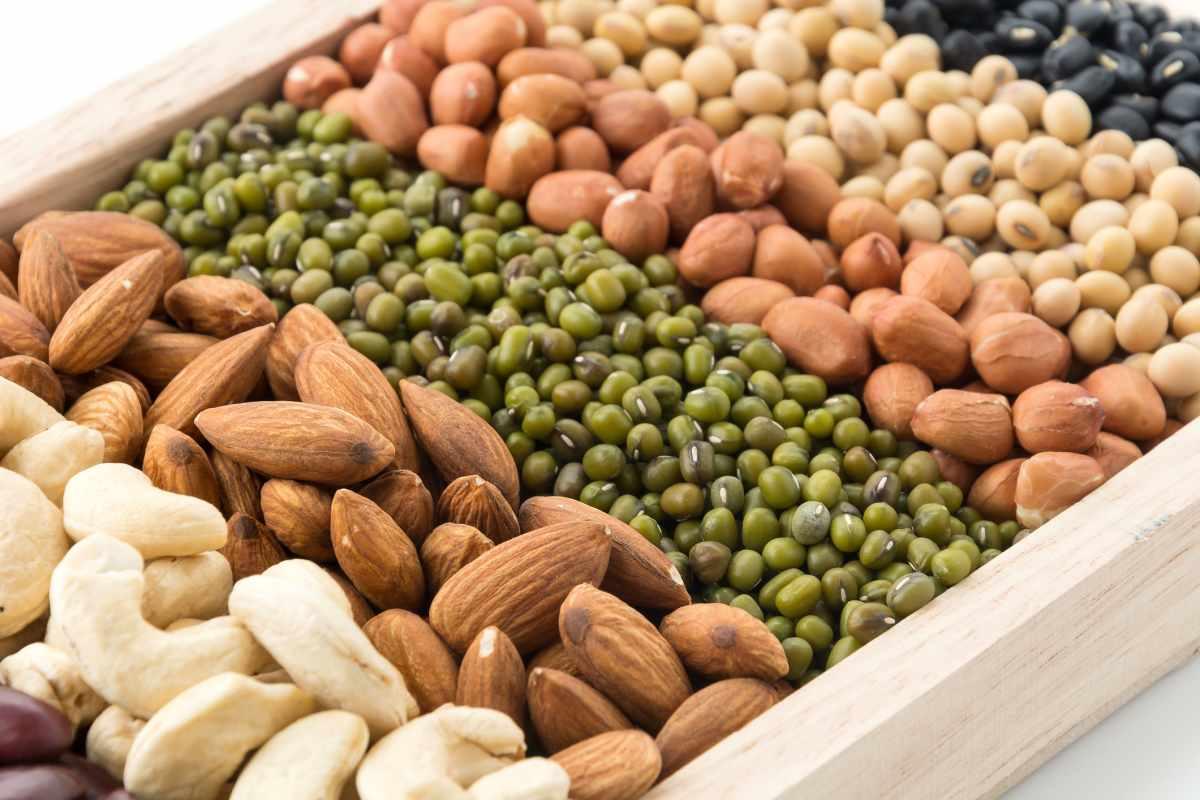
Assorted tree nuts stocked in a tray
In general, nuts hold the reputation for carrying high amounts of polyunsaturated fat. Each nut holds a “food matrix” with the fat-containing nut locked inside a rigid shell, per NIH. When someone eats nuts, the material of the shell remains intact and prevents the body from absorbing excess calories. In the stomach, the healthy nutrients are absorbed while the excess fat is expelled. Each nut contains millions of tiny cells with fat globules on the inside and fibrous exterior walls that reduce bioaccessibility.
A study published in Advances in Nutrition suggests that a person should have a daily intake of nuts to prevent diseases of the heart, brain, and even cancer. While the heart-healthy fats lower the risk of cardiovascular disease, an amino acid called L-arginine controls the blood pressure, antioxidants control the inflammation, and polyphenols lower bad cholesterol. No one, though, can do anything when this otherwise healthy food item becomes invaded by a bacteria so deadly that they can turn more destructive to the body than health-supporting. Salmonella is the invader.
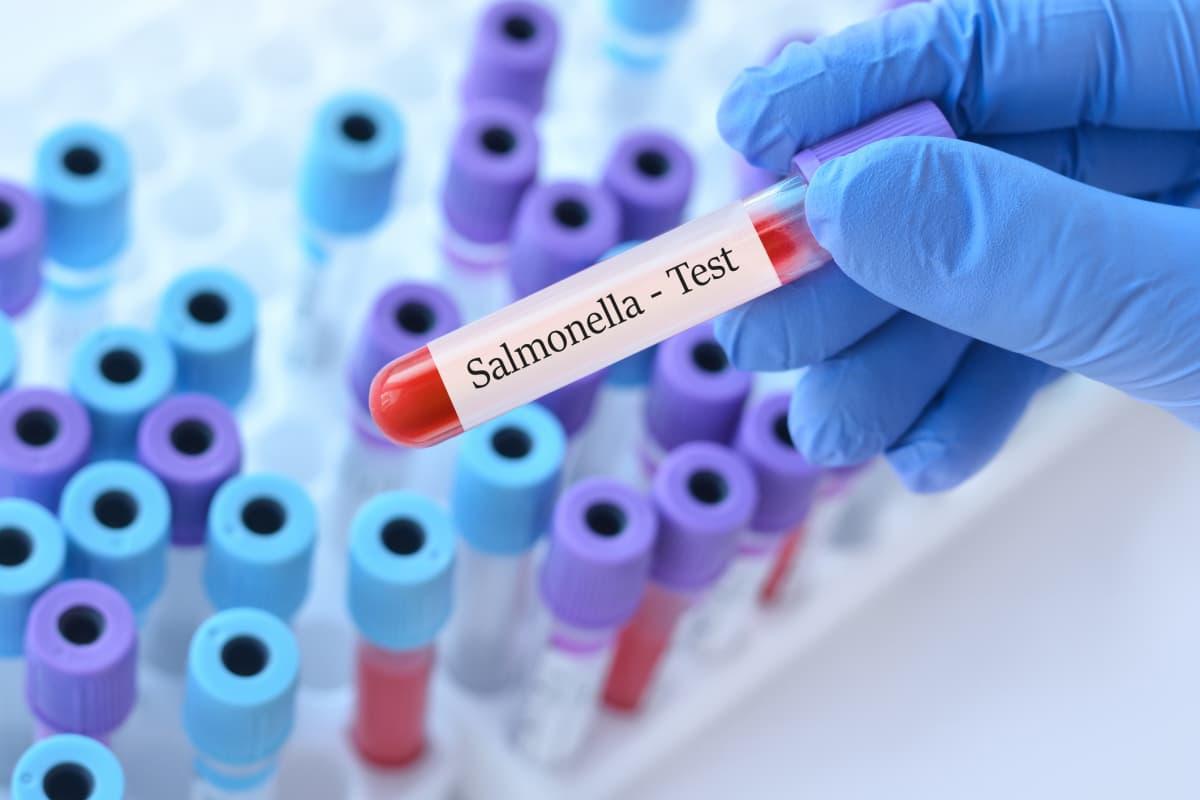
Doctor holding a test blood sample tube with Salmonella test on the background of medical test tubes
Microbiologists know Salmonella as a rod-shaped culprit that has fringing flagellates on its body that it uses to multiply itself after invading a person’s immune system, explains Mayo Clinic. When someone consumes a food contaminated with Salmonella, the bacteria first enter their stomach. Adaptable to the harsh acidic environment of the stomach, they start violating the intestinal boundary walls. Once these walls become weaker, the immune system gets activated into a vigorous response, releasing a deluge of defensive chemicals. The bacteria, meanwhile, continue to multiply, flooding the body with toxins.
These toxins and chemicals put together trigger a massive influx of inflammation in the body, which often expresses through vomiting, diarrhea, nausea, fever, and abdominal cramps. This uproarious breakdance of chemicals puts the body in a survival mode. Having said that, the company urges customers to return the recalled products to the place of purchase for a full refund.