
FDA Announces Recall of Shredded Cheese Sold at Major Stores Due to Metal Contamination
Updated Dec. 3 2025, 3:57 a.m. ET

A woman is looking at a block of cheese in a grocery store.
During the holiday season, cheese is often a staple ingredient in many households as people stock up to prepare delicious dishes for parties and family gatherings. However, food recalls can sometimes disrupt this seasonal spike. Cheese and cheese-based products are typically recalled when manufacturers or food safety experts identify issues such as contamination or mislabeling during routine safety inspections. Recently, the US Food and Drug Administration issued a widespread recall of shredded cheese after reports found possible metal fragment contamination.

Locals are purchasing cheese from a store.
The company, Great Lakes Cheese Co. Inc., first pulled the product from shelves on October 3 after finding very small fragments of metal in some packages. Later on, on December 1, the FDA revised the recall’s severity, reclassifying the risk level to Class II. As per the official website, the FDA states, “(Class II is) a situation in which use of or exposure to a violative product may cause temporary or medically reversible adverse health consequences or where the probability of serious adverse health consequences is remote.” In this case, the metal pieces in the product can end up creating a dangerous situation that may lead to significant internal injuries for anyone who consumes it, as reported by Southern Living.
The FDA states, “These injuries may include dental damage, laceration of the mouth or throat, or laceration or perforation of the intestine.” The recent recall covers a wide range of shredded cheese varieties, including Italian-style blends, pizza shreds, mozzarella, mozzarella mixed with provolone, and mozzarella combined with Parmesan. These products are available in multiple shred types and are sold in different package sizes, including small household bags to larger packs. A complete list of the affected items—including their package sizes, UPCs, batch details, and expiration dates—can all be verified by having a look at the FDA’s official report.

Shredded cheese on a wooden board.
It’s also important to note that the recalled cheese products were sold in more than 30 states in the country, including Alabama, Arkansas, Arizona, California, Colorado, Florida, Georgia, Idaho, Illinois, Indiana, Kansas, Kentucky, Louisiana, Minnesota, Missouri, Mississippi, North Carolina, Nebraska, New Mexico, Nevada, New York, Oklahoma, Oregon, Pennsylvania, South Carolina, Tennessee, Texas, Utah, Virginia, Washington, Wisconsin, and Puerto Rico. The products were distributed across the above-mentioned states via some of the major retail stores like Target, Walmart, and ALDI, as reported by Health.
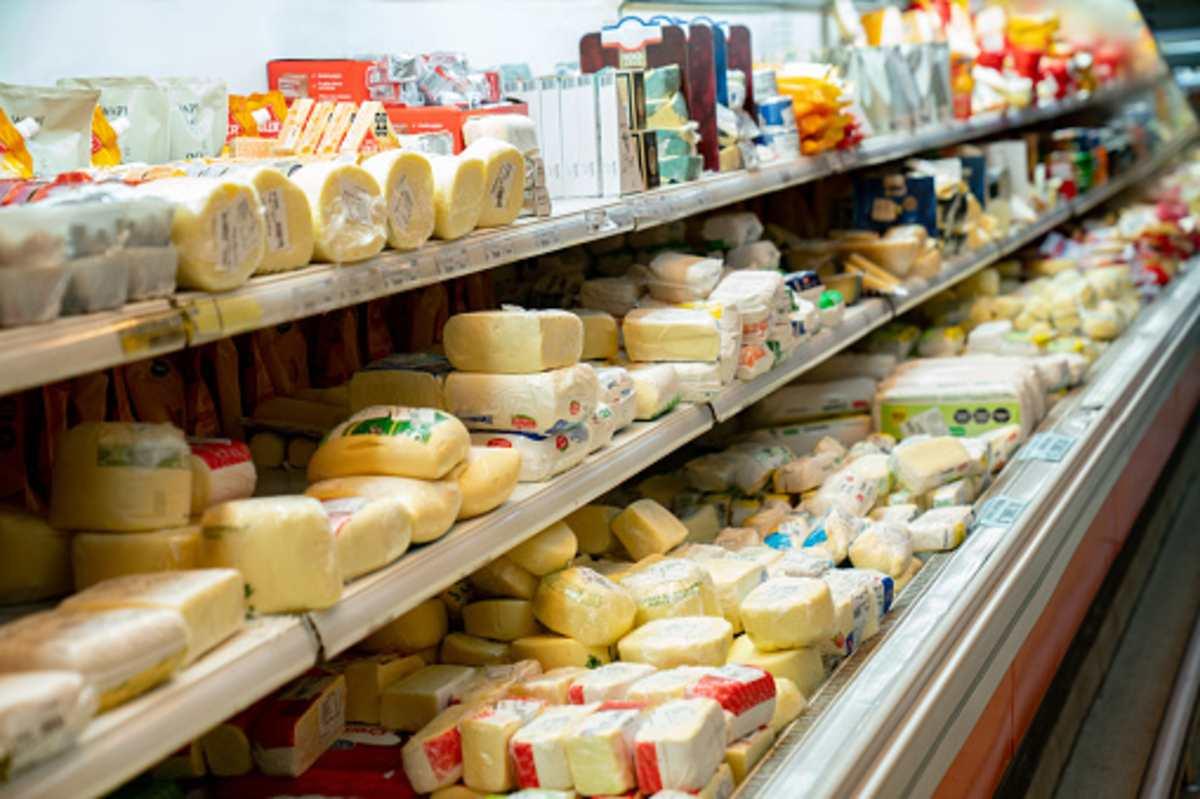
A variety of cheese in the supermarket.
The FDA advises people who purchased the recalled cheese to avoid consuming it. So, if you are one of those, dispose of the cheese immediately or take it back to the retailer for a complete refund. Meanwhile, metal contamination in any food product often takes place when either machinery parts rub against each other or when pieces of equipment break down accidentally during processing. Once these metal fragments enter a food product, experts can try to remove them using certain tools like magnets or flotation systems. However, these processes can only be helpful with liquids, powders, or other similar materials. On the other hand, finished goods can also be scanned with an electronic metal detector, which helps identify any remaining metal pieces.