
Polar Bears in Svalbard Are Getting Fatter Despite Melting Ice — Defying Scientific Expectation
Published Jan. 30 2026, 7:30 a.m. ET

A polar bear standing on a thin ice sheet.
Experts presumed that sea ice melting and habitat loss would hinder polar bears' hunting practices. In the aftermath, food consumption would be scarce, and the giant furry bears would shed some pounds. However, a new study showed that adult polar bears between the years 1995 and 2019 managed to maintain their body weight. This observation was astonishing considering the rapid and significant levels of sea ice loss that occurred in those years. “This is a surprising finding," said Jon Aars, a senior researcher at the Norwegian Polar Institute and lead author of the study. "If we had been asked 25 years ago about the consequences of bears now spending two fewer months on the ice each year, we would have expected leaner animals, reduced reproduction, and the beginning of a population decline," he added.
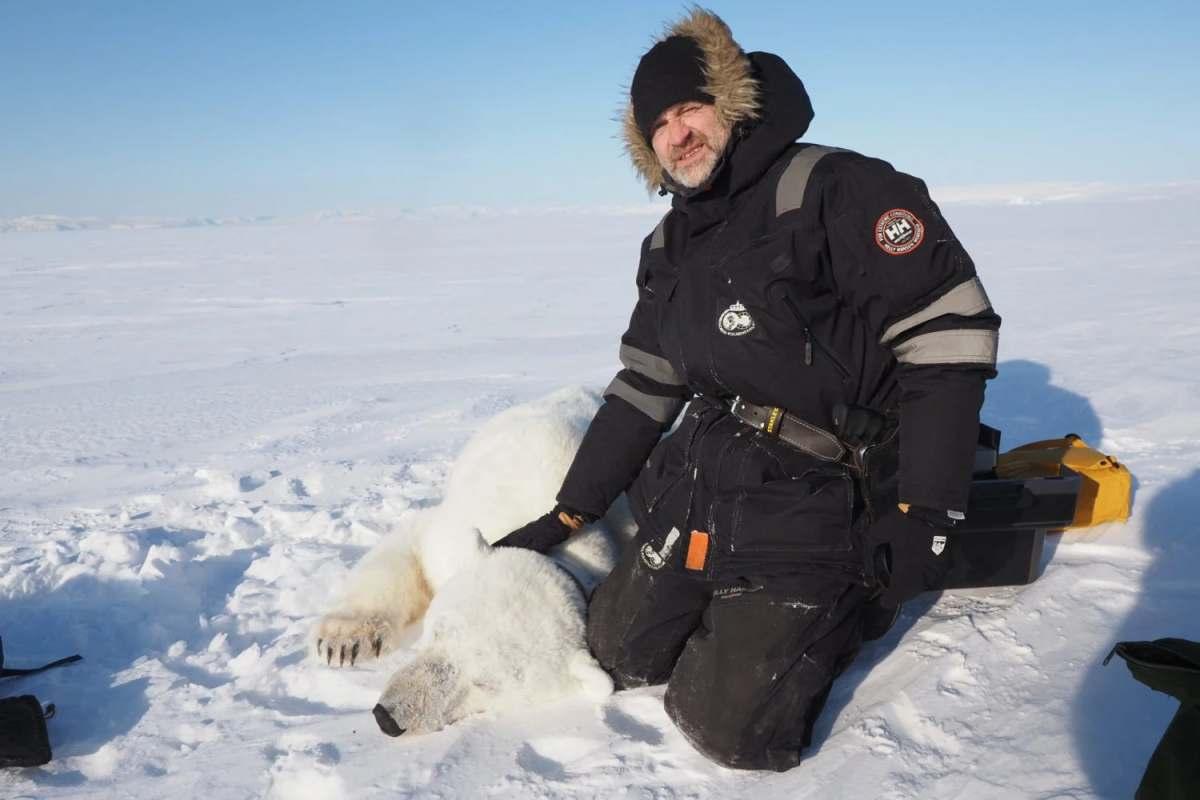
Jon Aars sitting next to a polar bear lying on the ground.
However, finding them in a surprisingly "better condition" was not something the researchers had expected. One plausible explanation behind the shockingly maintained physique of polar bears could be adaptation. The mammals likely shifted from entirely depending on water for food and opted for terrestrial resources. That way, they began to spend less time on the ice sheet. "They take more reindeer, feed on walrus carcasses, and make use of eggs, birds, and harbor seals,” Aars revealed. Polar bears relying on these terrestrial animals fit perfectly well, as their population significantly increased between 1995 and 2019, while sea ice declined. “This appears to have enabled the bears to maintain—and even improve—their body condition, even though they spend far more time on land than they did previously,” he added.
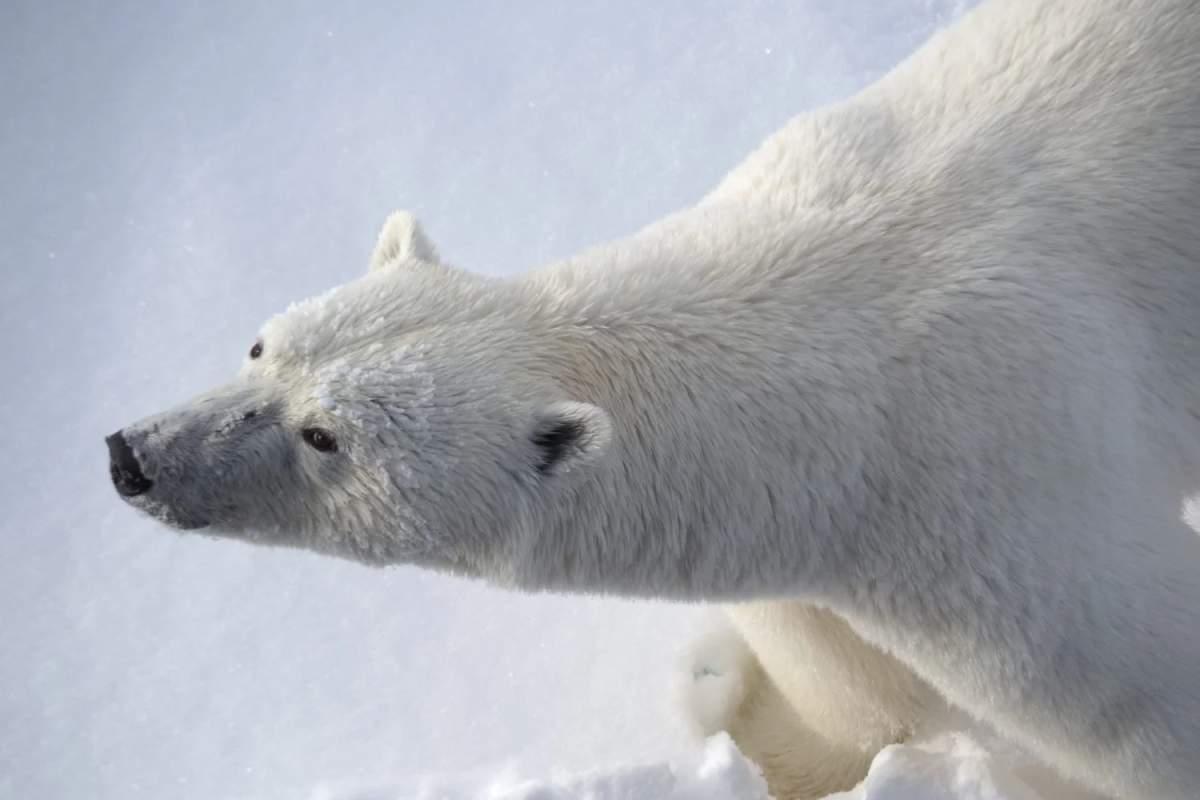
A polar bear captured from up close
This implies that the polar bears also impact the ecosystem of land in addition to that of the sea ice, making them an integral part of Svalbard’s terrestrial ecosystem. “It's not really a new behavior for the bears, but what we are seeing is more reports of polar bears killing reindeer,” Andrew Derocher, report co-author and a professor of biological sciences at the University of Alberta, told IFL Science. The expert revealed that polar bears are fast learners; hence, they easily adapt to a new habitat. "If an individual figures out that reindeer can be caught, they'll come back to where they were successful in the past and keep trying to hunt them again," Derocher added. However, this isn't a permanent solution. Polar bears can only use this alternative source of food to a certain extent.
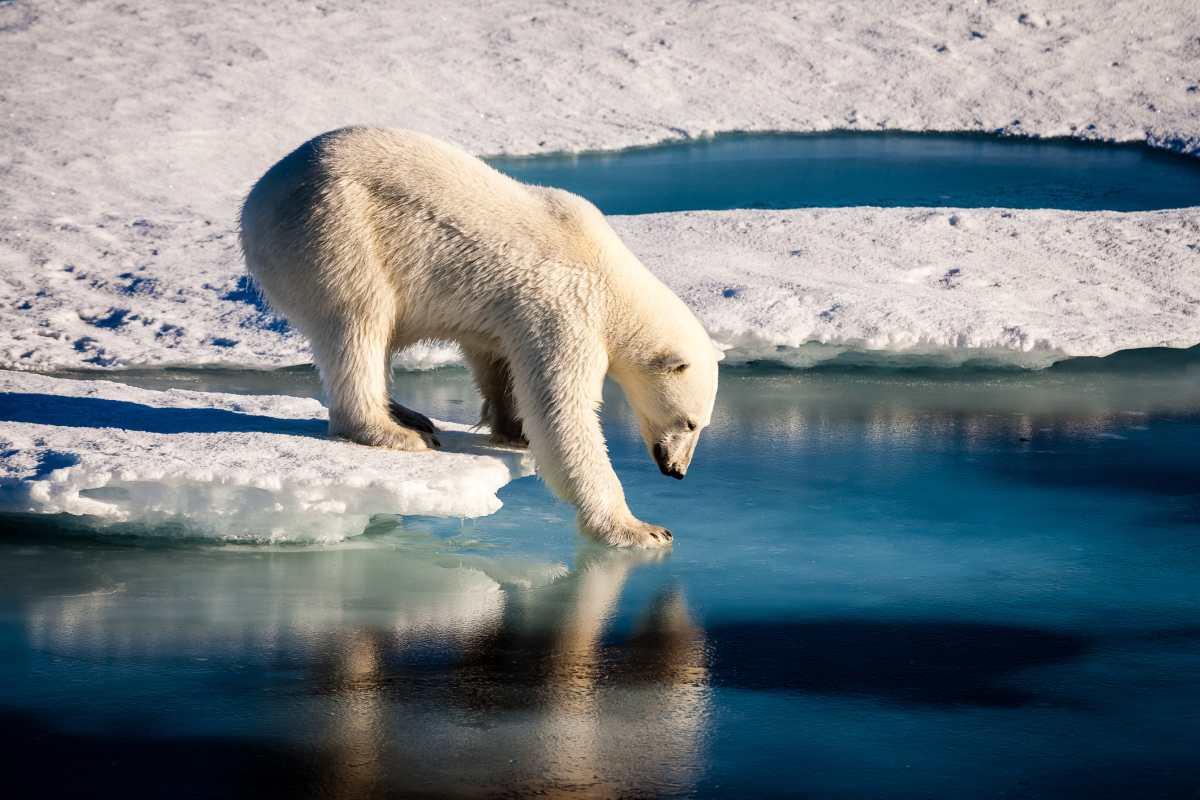
Polar bear touching the surface of sea ice
The mammals rely on the sea ice for a certain period each year. Although the scientists don't know the threshold yet, once that limit is crossed, the survival of the species would certainly become difficult. The Arctic landscape is rapidly changing, and even though the polar bears have come up with a system to support themselves, experts believe it's only a phase. "The changes we're seeing in Svalbard and the bears sustaining themselves with ‘other’ prey is likely a transient dynamic: it will be OK for a while, until it isn't. Once sea ice declines too much, we won't have polar bears," Derocher added. As of now, Aars assured that there are no signs of dramatic decline in the polar bears' survival or reproduction. The researchers came to the conclusion based on the impressive physique the bears have continued to maintain despite sea ice loss because the body's condition is often the first indicator of a species' deterioration.