
New Study Says Ammonites Survived the Dinosaur Apocalypse — but Only for a Little While
Published Jan. 6 2026, 10:35 a.m. ET

A young child finds a fossilized ammonite in the mud.
While dinosaurs were wiped out when a massive asteroid struck Earth, ammonites survived the massive explosion, only to disappear shortly after, as per a recent study published in Scientific Reports. The shelled marine mollusks were believed to have gone extinct during the same time as non-avian dinosaurs did, but new evidence hints at the contrary. Professor Marcin Machalski of the Polish Academy of Sciences and colleagues decided to re-examine the idea of ammonites' survival across the Cretaceous–Paleogene (Maastrichtian–Danian) boundary. They studied the limestones at Stevns Klint, Denmark, which were deposited in the lower Danian, millions of years after the extinction of dinosaurs. They retrieved 10 ammonite fossils from the site that were spread across three different genera: Hoploscaphites, Baculites, and Fresvillia.
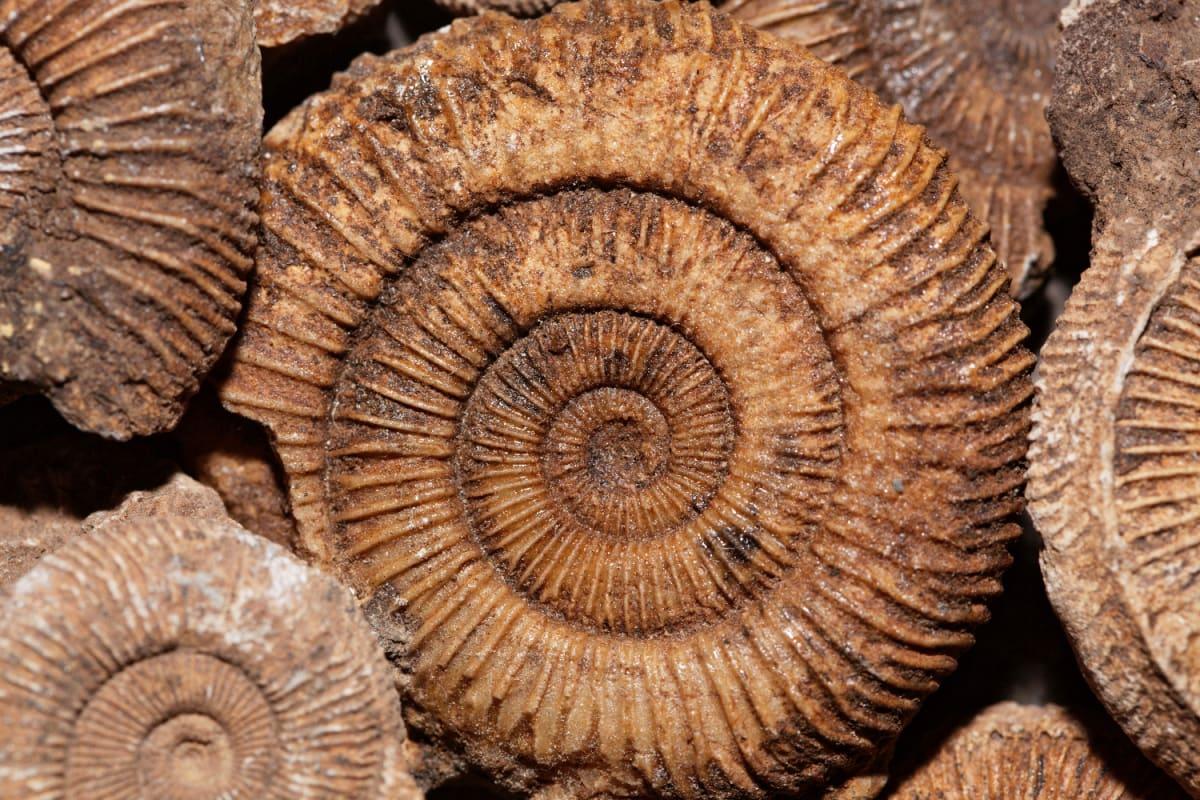
Fossil of Ammonites of the species Dactylioceras athleticum.
While one of the ammonite species showed signs of reburial, others had an intact shell and formed a void within the limestone in which they were buried, hinting that they were originally buried there and not replaced. If they had been reburied, the shell wouldn't be so intact while perfectly fitting into the void. Since the early Danian rocks at the Stevns Klint were formed after the extinction event, the presence of ammonite fossils made researchers confident that the species survived the historical event that killed the ancient reptiles. Moreover, Fresvillia ammonites were never spotted in Denmark from the end of the Cretaceous period, which means that not only did the species survive but also multiplied and expanded their geographical range.
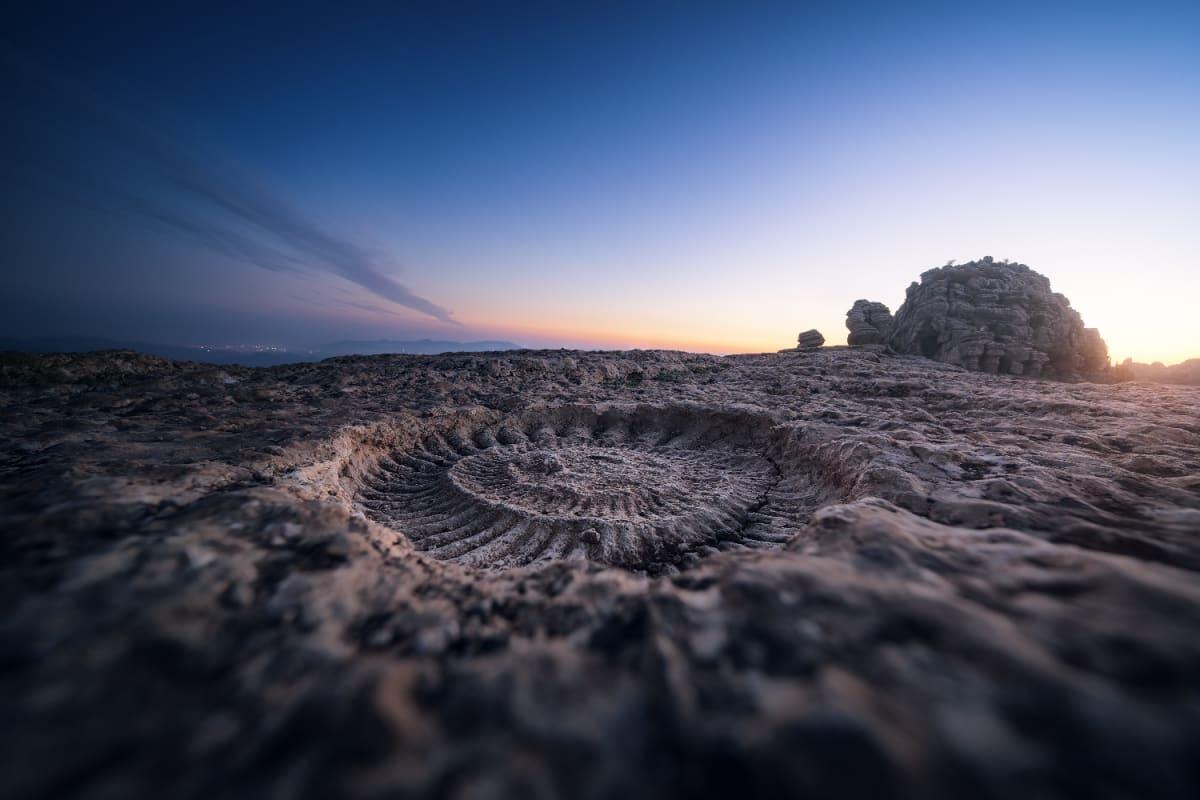
Intricate details of an ammonite fossil in the enchanting twilight of Torcal de Antequera.
However, their survival doesn't imply that they withstood the changing climates and circumstances for a long duration. In fact, the time of their extinction is quite close to that of the dinosaurs, probably the reason the two are closely associated. Some researchers might still argue that the ammonites did indeed die during the asteroid event. But presuming that they survived the catastrophic event, what happened later that sent the species to their graves? Stevns Klint was inscribed on the UNESCO World Heritage List in 2014 as it preserves numerous ammonite fossils from both before and after the extinction event. Which means, this site's fossils blend two distinct historical eras: the Cretaceous period and the Paleogene period.
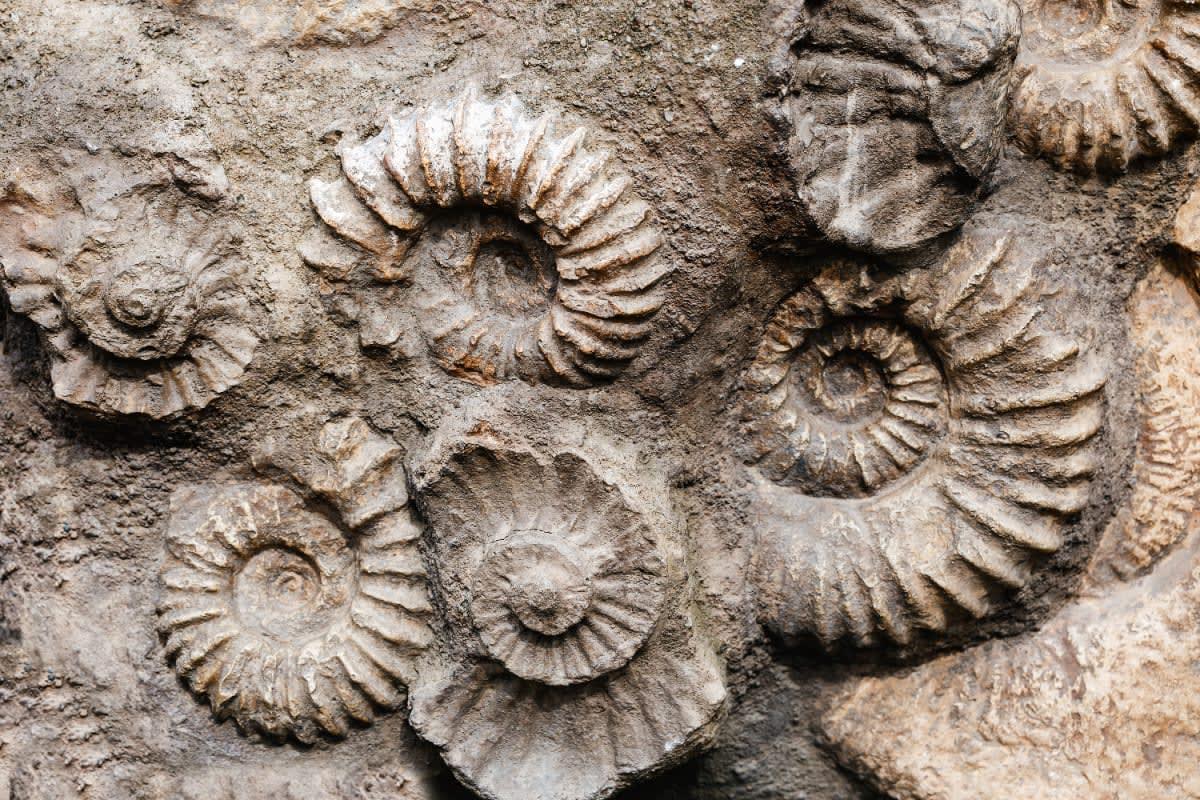
Ammonite fossils on a stone surface.
Although the site holds impressive evidence, the older fossil mounds could stick up in younger basins populated with Danian fossils, creating confusion. Researchers speculated that the older mounds eroded and redeposited in the Danian rocks. However, the new study has rejected the idea, showing that the ammonite fossils found in Danian layers do not look reworked or transported, implying that they were buried where they lived. They argue that the ammonites sustained the extinction event and lasted till at least 68,000 years ago. Scientists aren't sure why the species didn't survive longer than that and was eventually wiped out. However, the authors of the study have proposed the "Dead Clade Walking" phenomenon, which implies that even though a species survived a catastrophic event, it had weakened them enough to perish years later.