
Is the Moon Habitable? Elon Musk Reveals Plan to Build a 'Self-Growing' Lunar City
Published Feb. 10 2026, 4:27 a.m. ET

(L) Elon Musk attends the Viva Technology conference in Paris, France; (R) Earth’s Moon (Cover Image Source: (L) Getty Images | Chesnot; (R) NASA/JPL/USGS)
Elon Musk's SpaceX has turned its focus to the Moon. On Sunday, February 8, Musk took to X (formerly Twitter) to share the announcement explaining the reason behind the change in the agency's future space exploration plans. While testing human survival on Mars seems like a distant dream, on the Moon, it seems like a distant reality. Thanks to earlier lunar explorations, building the infrastructure to support human existence on the Moon could be made possible sooner than that on the Red Planet. "For those unaware, SpaceX has already shifted focus to building a self-growing city on the Moon, as we can potentially achieve that in less than 10 years, whereas Mars would take 20+ years," Musk wrote in his post.
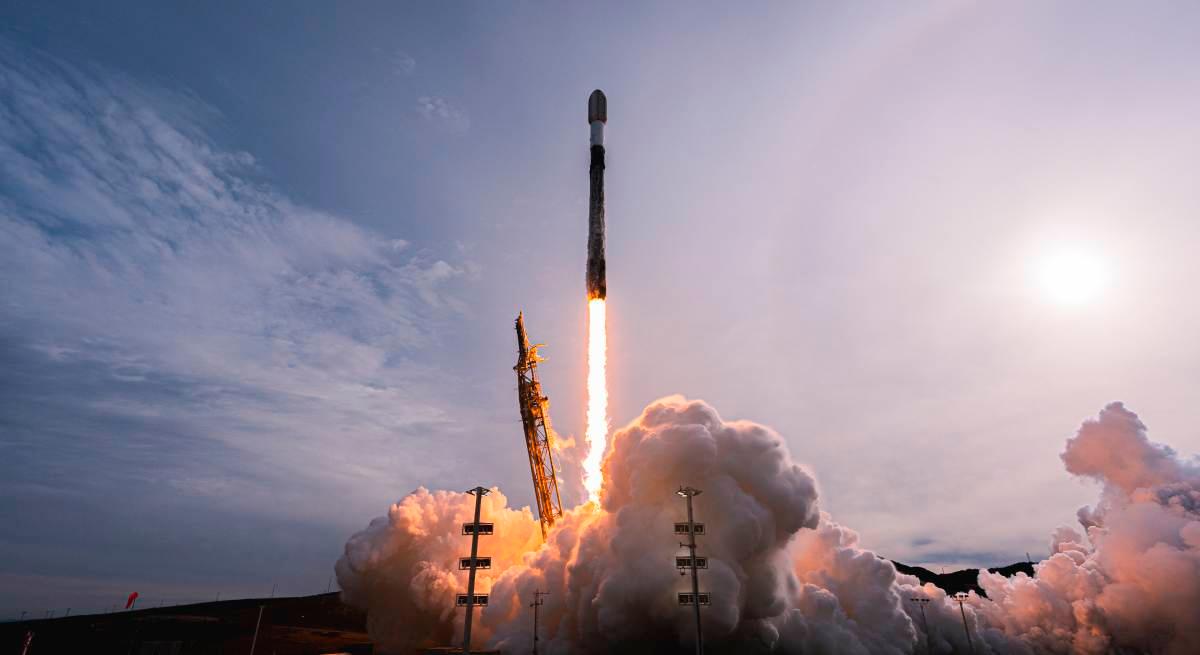
SpaceX launched 25 Starlink satellites from California on January 25, 2026
"The mission of SpaceX remains the same: extend consciousness and life as we know it to the stars," he added. Musk also emphasized that traveling to Mars would be more challenging for a mission as big as SpaceX's. Heading to the Red Planet is only possible when the planets align, which occurs every 26 months, whereas lunar missions can be launched every 10 days. "This means we can iterate much faster to complete a Moon city than a Mars city," he added. According to NASA, the Moon is about 238,855 miles away from our planet, a distance long enough to fit 30 Earth-sized planets. The weather on the lunar surface doesn't mean the same as it does on Earth.
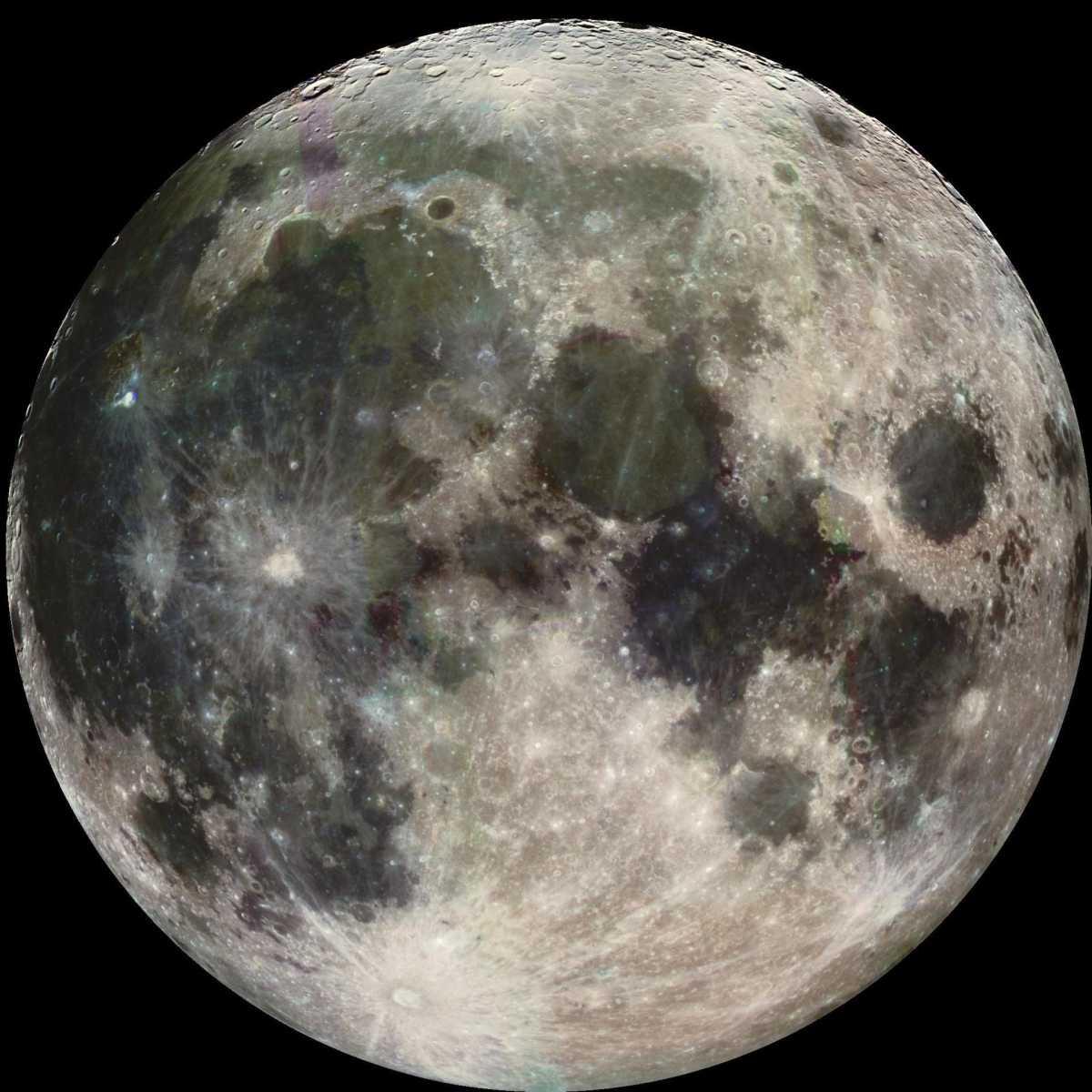
Earth's moon captured by NASA's Galileo spacecraft.
It's home to several space rocks of all sizes, as well as particles and energy from the Sun and beyond. However, the presence of high concentrations of water ice at the crater's poles gives researchers hope for human survival on the Moon. That being said, there's still much more to explore to make the lunar surface hospitable for humans. NASA also eyes the Moon for its future missions, most notably the Artemis missions. The agency has laid out a series of lunar missions, with each focusing on a different aspect. With its Artemis IV mission, NASA plans to build humanity's first-ever lunar space station to facilitate future Martian explorations. The mission will include multiple launches and spacecraft dockings in the lunar orbit and mark the debut of the agency's advanced and powerful version of SLS (Space Launch System).
Now that Musk's SpaceX has also turned its focus on its lunar missions, the Moon will certainly be hosting several satellites and astronauts in its orbit in the coming years. However, this shift doesn't imply that the agency has abandoned its plan to colonize Mars. Musk confirmed that the plan is still on the horizon, which the agency will pursue after accomplishing or getting closer to achieving its lunar mission.
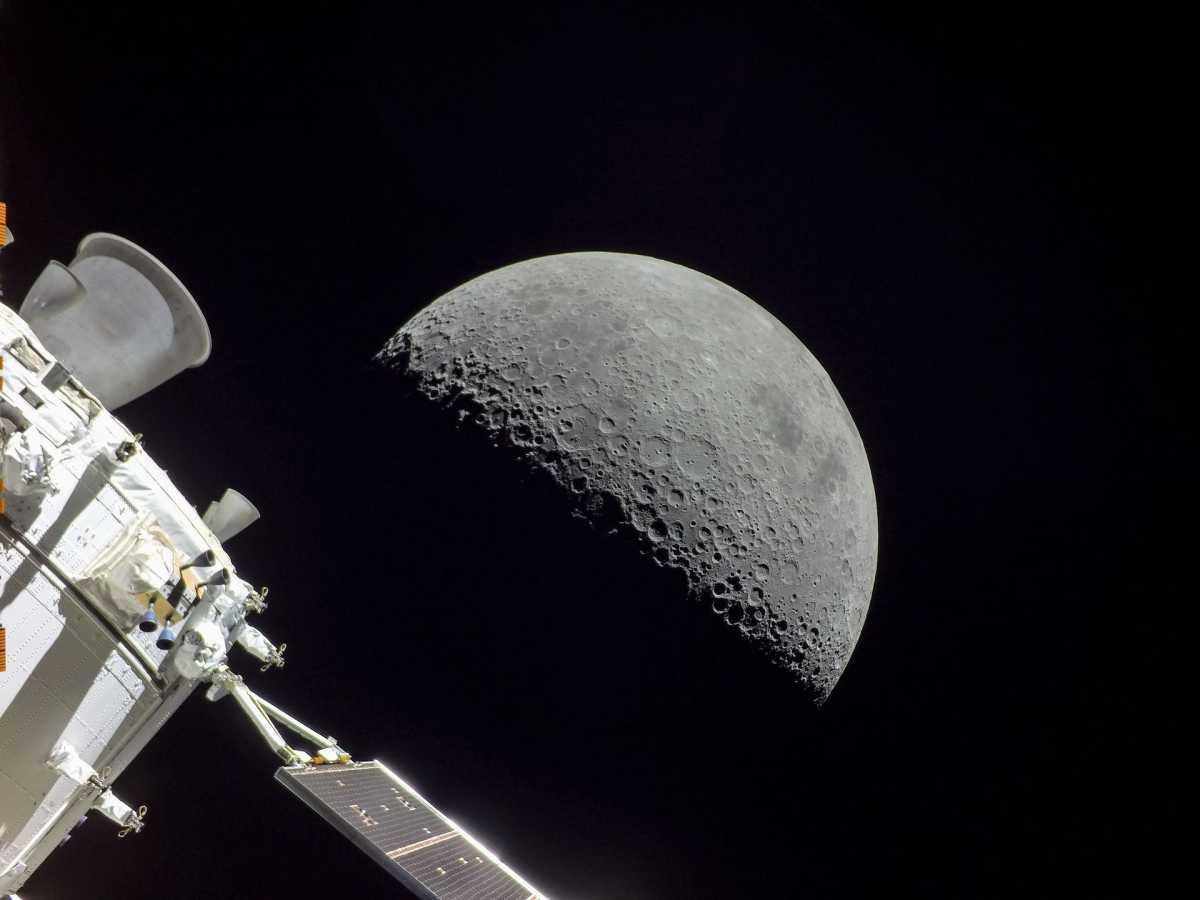
On flight day 20 of the Artemis I mission, Orion captured the Moon on the day of return powered flyby.
"SpaceX will also strive to build a Mars city and begin doing so in about 5 to 7 years, but the overriding priority is securing the future of civilization, and the Moon is faster," he added. Whether it's survival on the Moon or Mars, humanity will encounter one common problem: adjusting to a slightly inhospitable environment that's not Earth. "And so we have to learn how to survive in places that maybe our humankind hasn’t evolved into surviving in just yet," said Jacob Bleacher, a researcher and NASA expert. "Science is kind of the backbone that helps us understand those environments we hope to go into and helps us understand how to basically put in place that infrastructure to survive," he added. The expert revealed that these upcoming space missions somewhat act as a blueprint for humankind to survive in a place apart from our planet.