
Experts Sent Menstrual Cups Into Space to Test Durability — Why It's Important for Astronauts
Published Dec. 8 2025, 3:36 a.m. ET

(L) A woman holding a menstrual cup; (R) An astronaut. (Representative Cover Image Source: Getty Images | (L) Jonathan Torgovnik; (R) Westend61)
Space exploration quite often helps us understand the universe in depth, develop new technologies, and inspires innovation. From safe landing on the Moon to exploring Mars and observing distant galaxies, it helps us understand the possibilities for future space travel and habitation. AstroCup, a research group, took an unusual and bizarre step in space exploration by sending two menstrual cups into space. The project analyses how everyday products perform in zero-gravity environments, offering new insights for longer space missions.
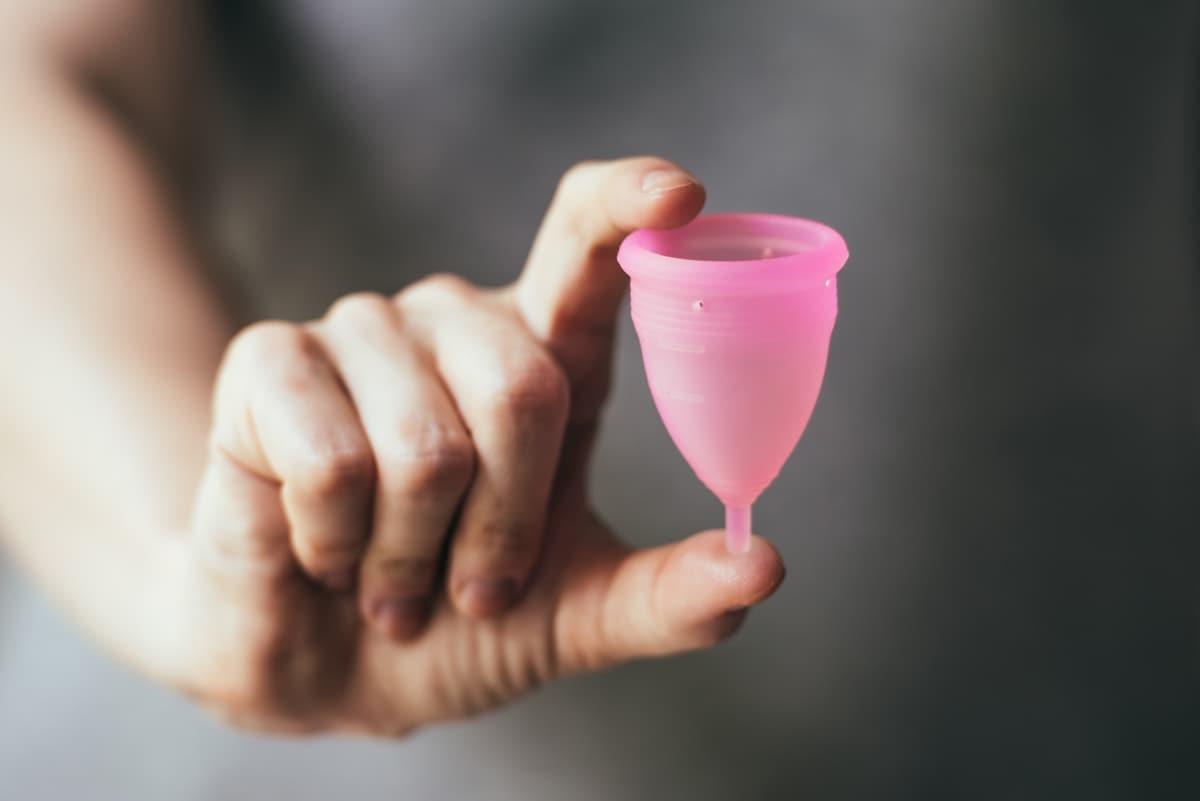
A woman holding a menstrual cup.
It was in 2022 when the research team first launched menstrual cups made by the brand Lunette (a company based in Finland) on an uncrewed rocket that soared to 1.9 miles and lasted roughly nine minutes. During the entire duration, the cups faced intense vibrations and other extreme forces that could have damaged the structure and quality of the cups. However, the results showed that the cups remained intact, with no kind of degradation, proving their durability and ability to hold liquid in stressful environments. These findings were revealed in a study titled, ‘One giant leap for womankind: first menstrual cups tested in spaceflight conditions,’ which was published by the journal NPJ Women’s Health.
Astrobiologist Lígia Coelho spoke about the findings as said, "I get passionate about the reasons why menstrual devices are still not in space. We need to have a serious conversation about what it means to have autonomy for health in space," as reported by Phys. Previously, on space missions lasting up to six months, most menstruating astronauts used hormonal methods to pause their periods. While pads and tampons are available, relying on single-use products for multi-year missions seemed to be impractical. Additionally, maintaining hormonal suppression for so long also becomes increasingly challenging. Considering all this, having effective menstrual health solutions is no longer just a matter of convenience—it’s crucial.
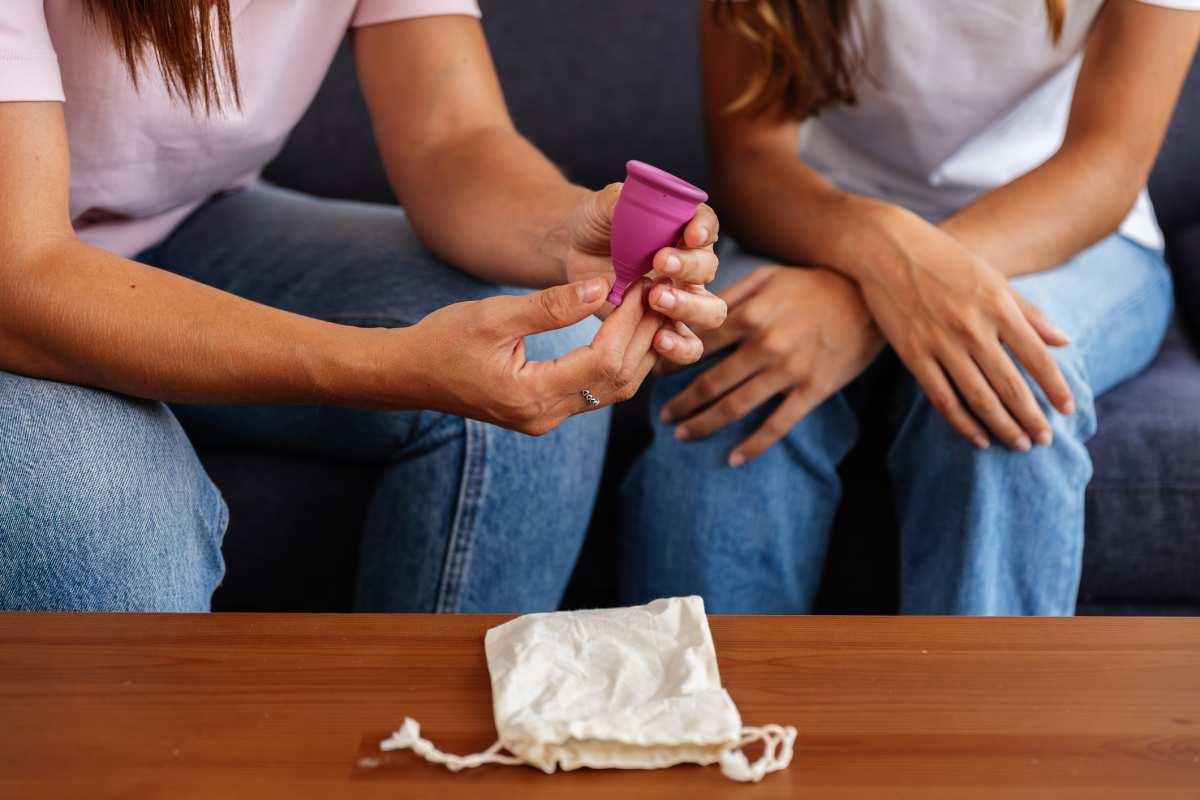
A woman holding a menstrual cup.
Taking certain birth control pills with a doctor's advice can safely stop periods temporarily for many people and can even reduce the pain and other symptoms. In space, this process also helps female astronauts avoid discomfort. However, the added estrogen in these pills can have serious side effects, like blood clots, or even undesirable effects on bone density, making them less suitable. Considering this, experts believe that managing periods well in space will be very important for future long-term space missions.
Without practical options, female astronauts on longer missions might have been forced to put their reproductive cycles at risk. Now, while the menstrual cups have undergone extensive testing, the team’s next plan is to launch additional rocket payloads, aiming to send a variety of menstrual products to the International Space Station. Coelho, who is also one of the lead authors of the recently published study, said, "It's validated, it works. Now we can start implementing and redefine health autonomy in space."
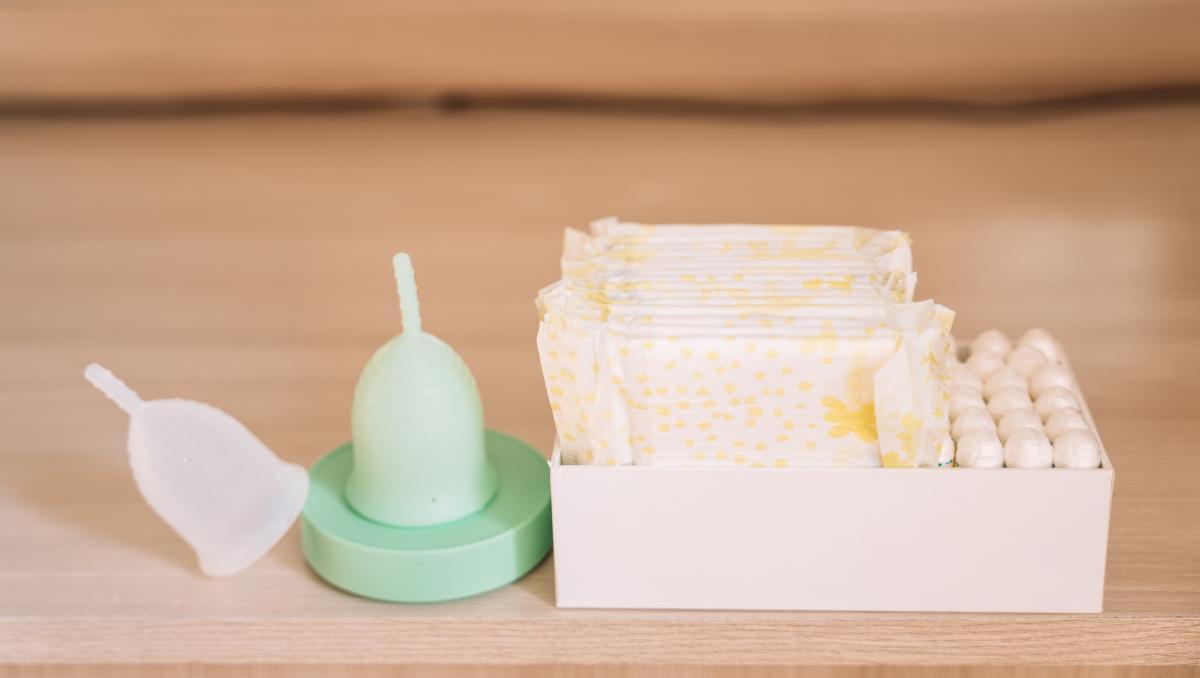
Menstrual cups, pads, and tampons.
Study authors also stated, "More women will have the opportunity to go to space for even longer missions, and it is paramount that their autonomy on menstrual options is respected.” They added, "Astronauts on Moon and Mars missions may decide that they would like to keep menstruating for personal preference, as well as for health or reproductive reasons." Meanwhile, in recent years, menstrual cups have gained immense popularity as an eco-friendly alternative to disposable products like tampons and pads. It is because these flexible silicone-based cups can be used for several years.