
Comet 3I/ATLAS Scanned for Alien Signals— Here’s What Scientists Found
Published Jan. 5 2026, 6:09 a.m. ET

Comet glowing with blue and green colors flitting through the starry space
Unlike the guests in festive supper who love to stay till late for cake and wine, 3I/ATLAS is an elusive interstellar guest who refuses to hang around for too long. Ever since scientists first spotted it from NASA’s ATLAS telescope in Chile, the glowing comet has left them walking on a tightrope between fascination and mystery. A potpourri of speculations emerged about what it is, where it came from, and where it is going. Scientists around the world locked their instruments on 3I/ATLAS to suss out the littlest of features. Cameras blinked, spectrometers flickered, and dish antennae danced as scientists on Earth hoarded their books with a wealth of details. Every detail suggested that it is a typical comet, just not belonging to our solar system.
With speculations, also materialized rumors. Harvard astronomer Avi Loeb argued that the queer object is an alien mothership. In a study published on the arXiv server, scientists examined its radio profile and confirmed that it doesn't have any technological origins.
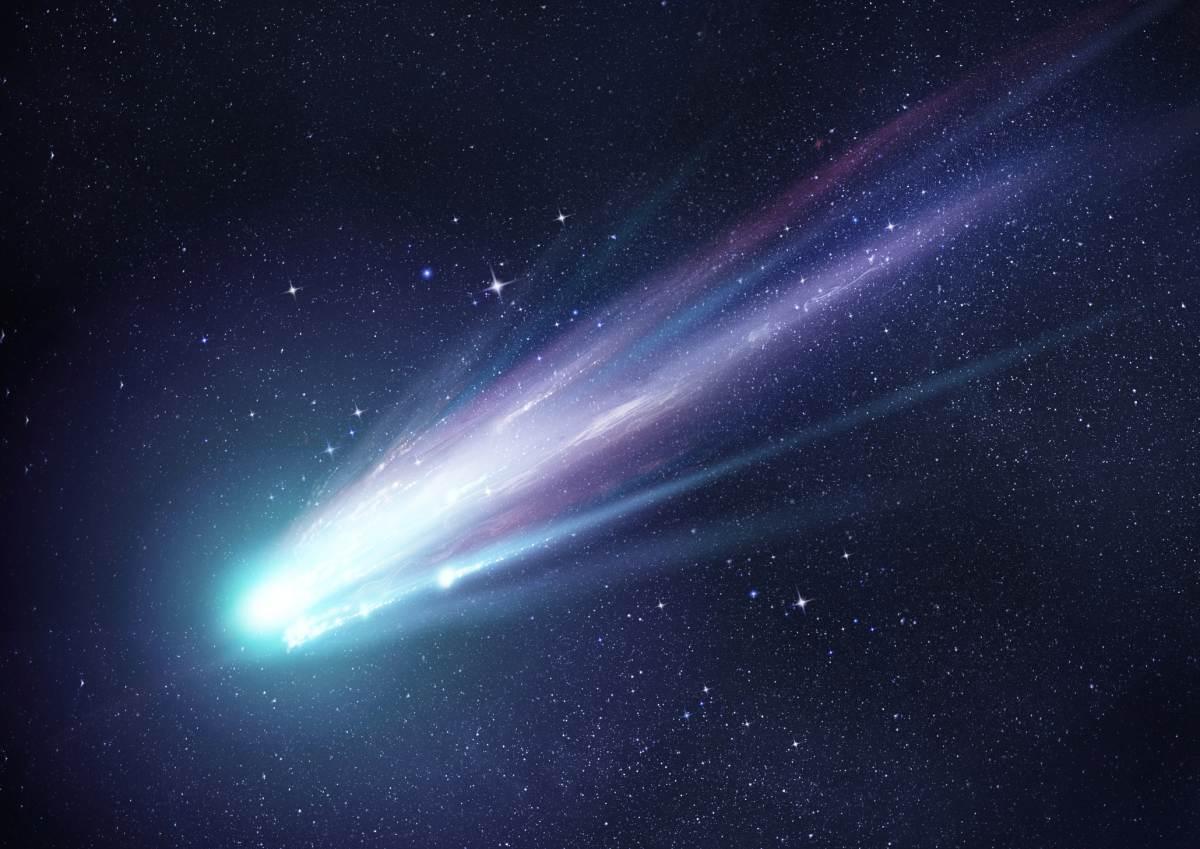
Bright glowing comet hurtling in space
When 3I/ATLAS first came to scientists’ attention, their attention was hooked, instantly. It is not typical of them to have come across an object that has arrived from beyond our star system. To date, only two such interstellar objects have been detected, including the 2I/Borisov and the cigar-shaped 1I/Oumuamua. Like Oumuamua, 3I/ATLAS also displayed all the qualities of a normal comet, but as more and more data got to the scientists, they realized it wasn’t an ordinary comet. At least, it didn’t look like one.
To begin with, it was not just travelling in circles. It was racing, as if running short of time. The nucleus was stocked with "water ice." The coma was regular, with abundant dust and gas. Speed, icy jets, and then, there was an outgassing behavior, an unusual electric blue color shift, an unusual anti-tail, and an uncommon chemical makeup. Another bit of unusualness came from its strangely fine-tuned trajectory that first hit the Sun, then Mars, and Earth.

Glowing comet sweeps past the Earth
Now, there's another noteworthy detail in the portfolio of its oddball tantrums. On December 18, when it swept past the closest point on Earth, scientists conducted a “technosignature search” on the comet using the 328-foot Robert C. Byrd Green Bank Telescope (GBT) in West Virginia, as part of the alien-hunting astronomy project Breakthrough Listen.
GBT, the largest single-dish radio telescope in the world, is a key asset to SETI research. When 3I/ATLAS was about 167 million miles away, GBT studied it and found “no credible detections of narrowband radio technosignatures.” No alien or candidate signals were detected. Sad trombone. 3I/ATLAS is no longer a suspect, just a cute glowing interstellar traveler.
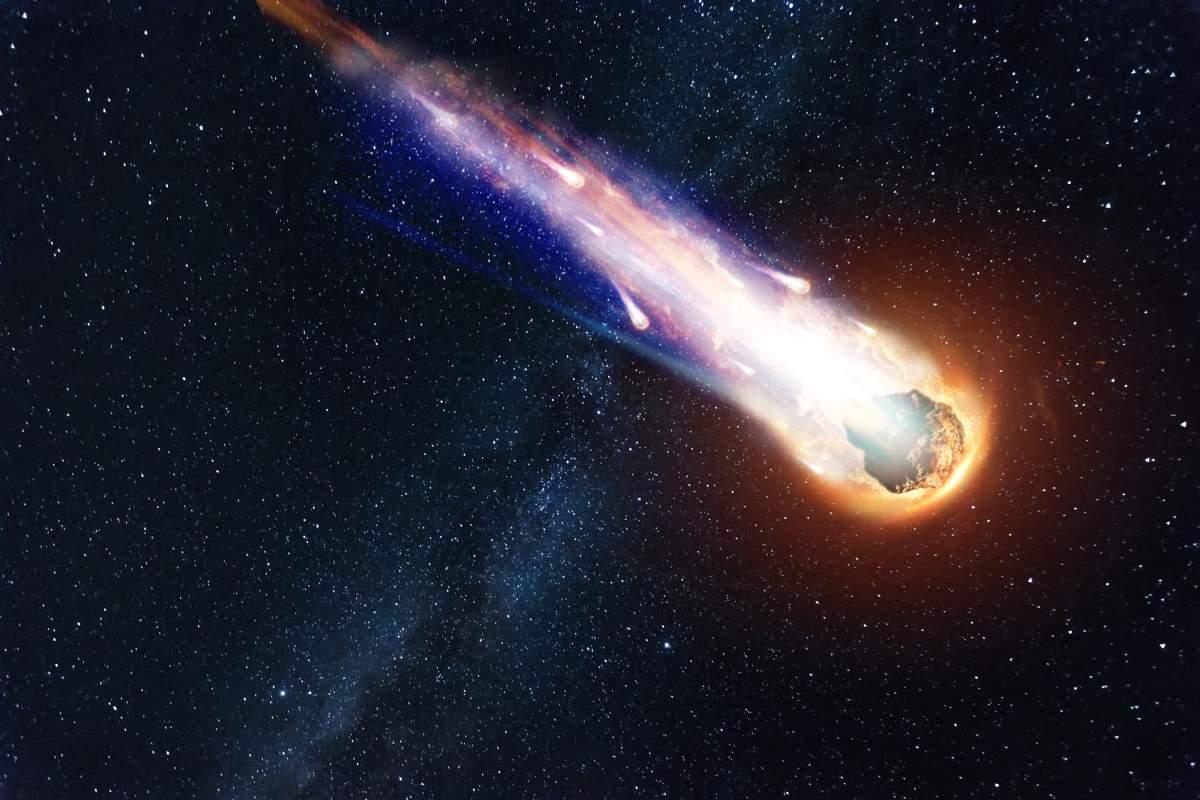
Glowing comet zipping through starry space
In a televised briefing, NASA associate administrator Amit Kshatriya addressed the suspecting rumors and defended 3I/ATLAS by saying that it’s a comet. "It looks and behaves like a comet, and all evidence points to it being a comet." However, there’s nothing like the solid evidence that this study provided. GBT investigated the comet in four bands of the radio spectrum.
The observations were taken in alternation when GBT pointed at the comet and when it pointed at the other patches of the sky in a fractal pattern called ABACAD, switching every five minutes. Of the 470,000 signals detected, scientists eliminated all but nine because these also appeared when the telescope wasn't pointing at 3I/ATLAS. The rest of the nine signals were ruled out, too; they were likely coming from things like a microwave that was heating someone's frozen pizza on a wintry evening. Still and all, the hurrying interstellar visitor leaves scientists with unresolved curiosity. More comprehensive studies are required for understanding.
Meanwhile, after visiting Jupiter in a brief encounter in March, the billion-year-old 3I/ATLAS will say goodbye to our solar system, never to return in this planetary neighborhood again.