
Carbon Emissions in America Spiked in 2025 After Years of Decline — Here's What Went Wrong
Published Jan. 15 2026, 3:29 a.m. ET

People walk by as thick smoke emanates from industrial chimneys.
Emissions from the burning of fossil fuels are like balloons with trapped heat, which indisputably contribute to the rise in atmospheric temperature. The U.S. has been grappling with the dire consequences of burning fossil fuels for some time. In 2025, the amount of heat-trapping gases released increased by 2.4%. This development is especially disappointing given the successful declining trend the country had achieved until the year before 2025. What caused this sudden uprise in the middle of downfall? The burning of coal, natural gas, and oil is the main reason. However, the cold winter of 2025, the increased demand for electricity from data centers, and cryptocurrency mining operations are equally to blame, as per the Rhodium Group, an independent research firm.
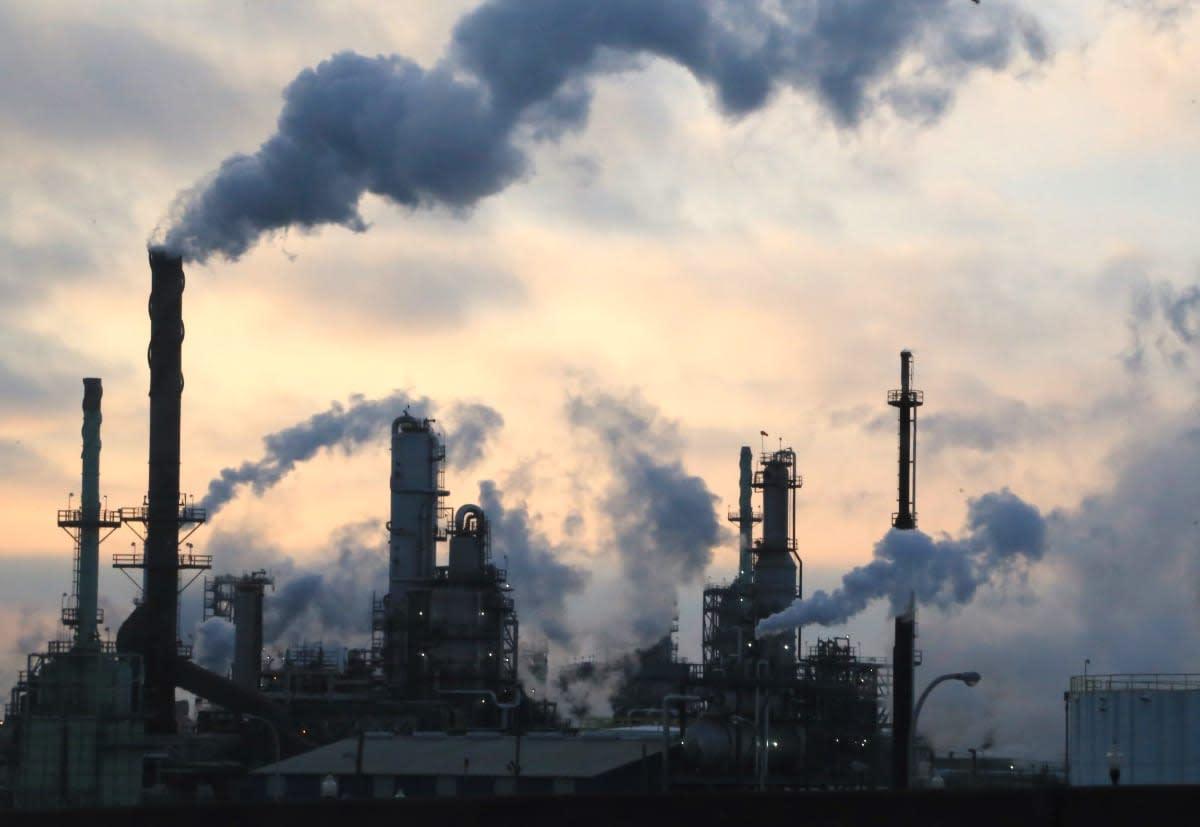
Harmful cloud of gas emerging from industrial chimneys.
“This is not the right direction,” said Ben King, a director on the U.S. energy team at Rhodium and co-author of the report. “Seeing upward emissions levels in the United States, on the whole, is not great. It is problematic for the prospects of meeting long-term decarbonization,” he added. For almost two decades, the emission of harmful gases in the U.S. was on a downward trend, with 20% of reduced carbon dioxide and methane emissions between 2005 and 2024. The coal burning increased due to increased demand for heat amid the cold temperatures. The inflation of natural gas prices prompted people to turn to more natural sources of heat, such as coal burning. Usage of electricity from coal plants increased by 13% over the previous year.
The usage of coal has not returned to its full glory. “It’s not like you would say coal is back,” King said. However, this increase in the past year is the second major rise over the last decade. The Donald Trump administration rolled back several environmental regulations. However, experts at Rhodium believe that their actions have little to no impact on emissions. “We don’t see a major signal here of the Trump administration having an impact on emissions yet. But there are signals within this data that point to the ways that impact can be felt,” King said. He also emphasized that the ongoing rollbacks and policy changes by the Trump administration could have an impact in the years to come. The recent report drew parallels between the emission rate and the economic activity, and surprisingly, the former beat the latter.

Burning of fossil fuel.
This trend needs to be reversed to reduce carbon footprints in the U.S. On the brighter side, in 2025, some fruitful developments and ecological trends have also been observed. Solar energy became a significant source of power generation, increasing by 34% in 2025. At present, the use of electric and hybrid vehicles is on the rise. In the aftermath, the usage of fuel vehicles dropped, as did the transportation emissions. It is a significant and positive sign towards improving air quality and reducing global warming, as emissions from vehicles heavily contribute to pollution and greenhouse gases. Another report published last month claimed that coal usage will increase in India and Southeast Asia.
“Our forecast for the coming years has not changed substantially from a year ago: we expect global coal demand to plateau before edging down by 2030,” said Keisuke Sadamori, IEA’s director of energy markets and security. “More broadly, trends in electricity demand growth and the integration of renewables worldwide could impact coal’s trajectory,” he added.