
Antarctic Penguins have Dramatically Shifted Their Breeding Timetables
Published Jan. 20 2026, 7:12 a.m. ET

Penguins on a rocky shore.
The Antarctic landscape is incomplete without the flightless tuxedo-clad birds being playful together, walking in their unique stride, and simply existing. The creatures in question are penguins. Like most creatures around the icy landscape, the stunning breed could soon become a victim of climate change. Penguins have changed their breeding season due to climate change, and experts say that is not good news. The dramatic shift in their behavior was discovered by a decade-long research led by Penguin Watch at the University of Oxford and Oxford Brookes University. According to the study, this change can disrupt penguins’ access to food, ultimately risking their lives.
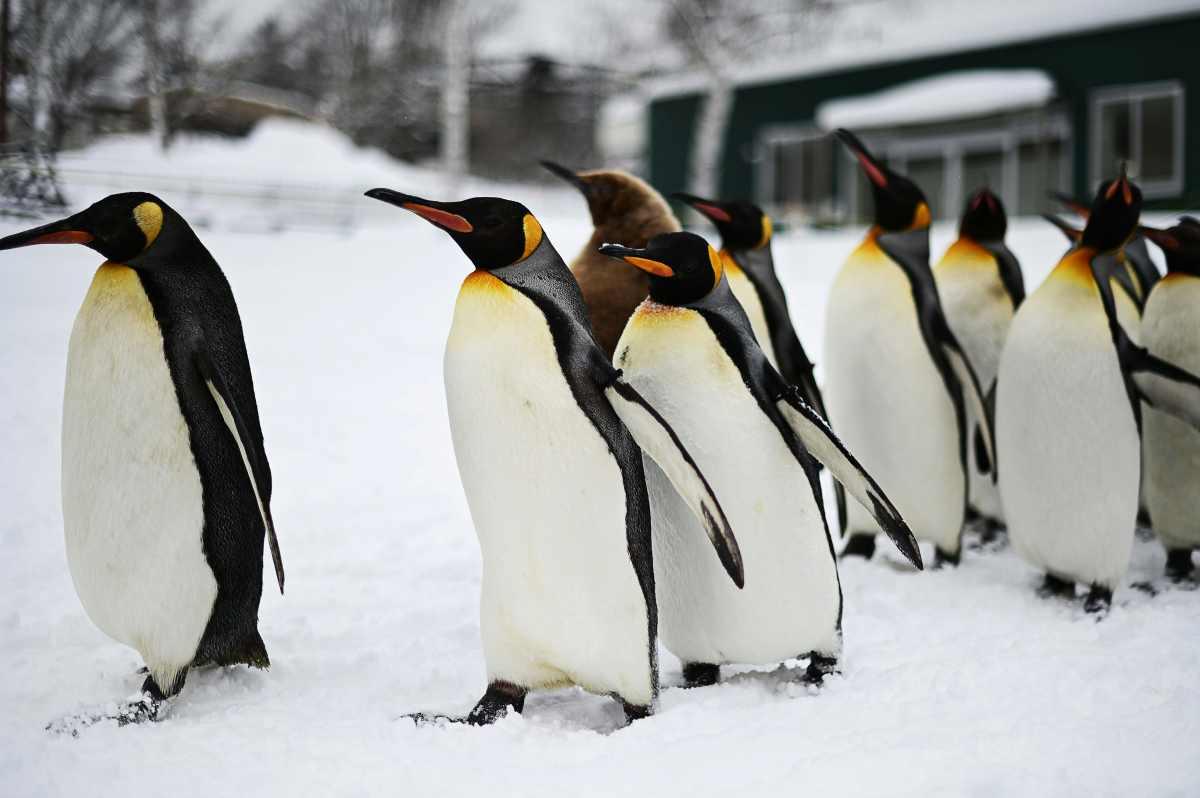
A rookery of penguins waddles across the icy expanse
“We are very concerned because these penguins are advancing their season so much, and penguins are now breeding earlier than in any known records,” said study lead author Dr Ignacio Juarez Martínez, as per The Guardian. If breeding happens earlier than the usual season, there could be less or no prey available at the time. As a result, the penguins, especially the pregnant chicks, will not get sufficient food and energy, which could be “fatal” for the species. “Even if the penguins could match their prey’s behaviour, we can’t expect them to keep this pace up much longer,” Juarez added. To gather the information on penguin breeding and their “settlement” at colonies between 2012 and 2022, researchers examined three different penguin species: Adélie (Pygoscelis adeliae), chinstrap (P antarcticus), and gentoo (P papua).
Their colony sizes ranged from as small as a dozen nests to as large as hundreds or thousands. Under the Penguin Watch project, the researchers collected data from 77 time-lapse cameras placed across 37 colonies in Antarctica and sub-Antarctic islands. It was done to ensure that the conclusions were not specific to a population but were relevant to the species. The findings published in the Journal of Animal Ecology showed that the breeding season for all the species advanced exponentially. Especially in gentoo penguins, the time of breeding, aka phenology, exceeded by 13 days and by 24 days in some colonies of the species. This advancement in phenology is the fastest ever recorded in any bird to date.
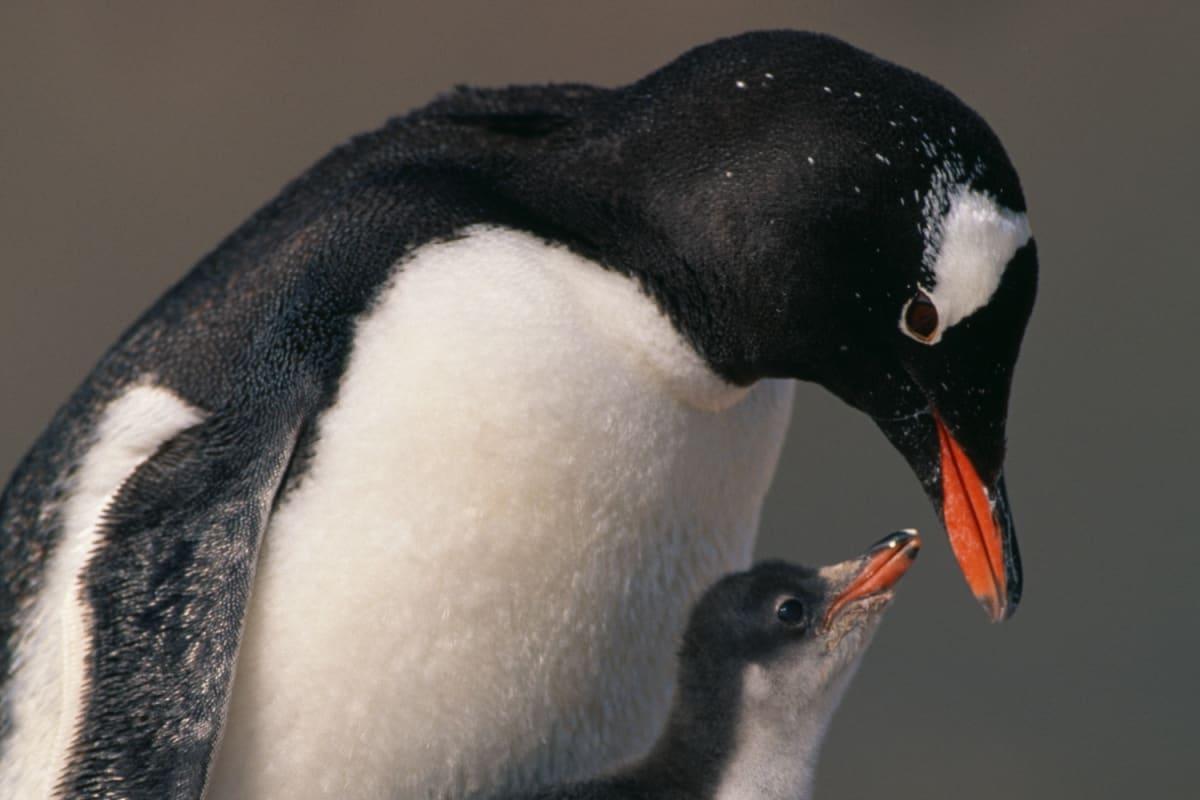
Gentoo Penguin with a chick.
However, climate change tests the survival of these species, and the resilient ones thrive. “Our results indicate that there will likely be ‘winners and losers of climate change’ for these penguin species,” Juarez Martínez said in a statement. Gentoos are slightly more temperate than Adélie and chinstrap, which is why they adjusted and even benefited from the milder temperatures. They are expanding their colonies, whereas the other two species’ populations are declining. “A scenario of increased competition would only exacerbate this,” he said. “Penguins play a key role in Antarctic food chains, and losing penguin diversity increases the risk of broad ecosystem collapse,” Juarez Martínez added.
That’s why projects like Penguin Watch are important, as they also observe behavioral patterns of the creature. Although population trends are reliable, they do not provide early signs of decline that behavioral patterns convey. “The idea of this whole monitoring network is to put something in place that does both; monitoring populations and their behavioural responses to threats,” said senior author Professor Tom Hart. “This study proves the benefits of monitoring animals at a landscape level,” he added.