
A Quiet Threat Endangering Most Animals Is Strangely Helping King Penguins Thrive
Published March 12 2026, 7:55 a.m. ET

Part of the king penguin colony is visible at La Baie du Marin, Possession Island
A new study has been released, where researchers studied about 19,000 king penguins on sub-Antarctic islands. They found that the birds are starting their breeding season about 19 days earlier than they did in 2000. It is happening due to climate change, and king penguins are benefiting from it for the time being. The shift is actually helping them, as breeding earlier has boosted their success rate by around 40%.
Published in the journal Science Advances, the study witnessed that these birds adapt incredibly well to the seasonal changes. “It's quite striking,” co-author and a seabird ecologist at the French science agency CNRS, Celine Le Bohec, said, per Phys.org. She also said that, unlike many other penguin species, king penguins have a big advantage in flexibility. On the other hand, the numbers of other penguin species are dropping as climate change disrupts their breeding cycles. This flexibility is helping the birds keep up with the changes. Even as ocean waters warm and the food web they depend on shifts, king penguins are still managing to adapt and successfully raise chicks.
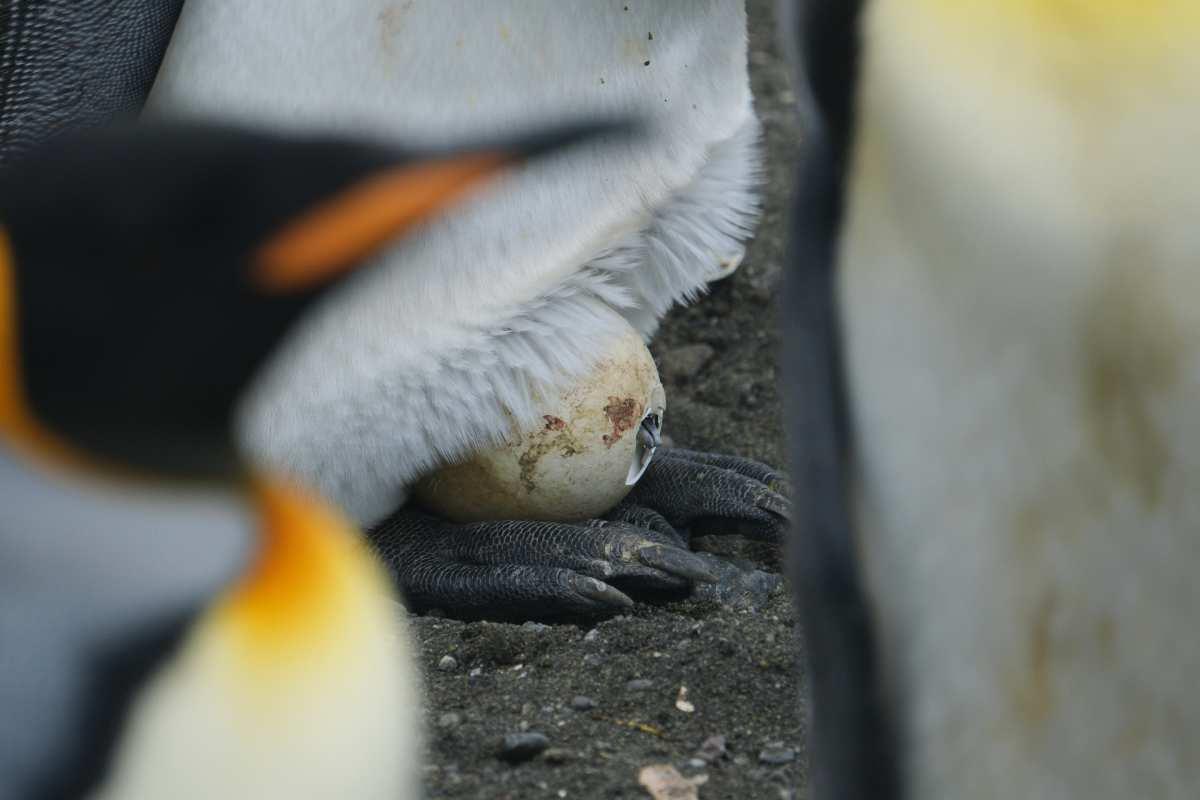
A king penguin chick hatches from its egg on Possession Island
Other penguin species are having a tougher time with warming oceans because of their limited diet. When ocean temperatures shift and the food chain changes, their main food sources can disappear or move elsewhere. But king penguins have an advantage. They are far more flexible when it comes to what they eat. While their favorite meal is lanternfish, researchers say they can switch to other prey if needed. That adaptability may be one reason the species is still so widespread. In fact, king penguins are so abundant that they are currently classified as a species of least concern.
“[King penguins] can adjust really well their foraging behavior. We know that some birds are going directly to the south, to the polar front. Some are going to the north. Some are staying around the colony and so they can adjust their behavior and that's what makes king penguins cope really well with such changes for the moment,” study lead author Gaël Bardon said.
However, experts are not convinced that this adjustment to change will last for long. “So that's why for the moment the species is able to cope with this change, but till when? This, we don't know, because it's going very, very fast,” Le Bohec said. Michelle LaRue from the University of Canterbury pointed out that the king penguin lives up to more than 20 years, but the study only looks at a short part of their lifespan. So she wonders what might happen after breeding. “Winning for this species might mean losing for another species if they are competing for resources,” Clemson's Youngflesh said.
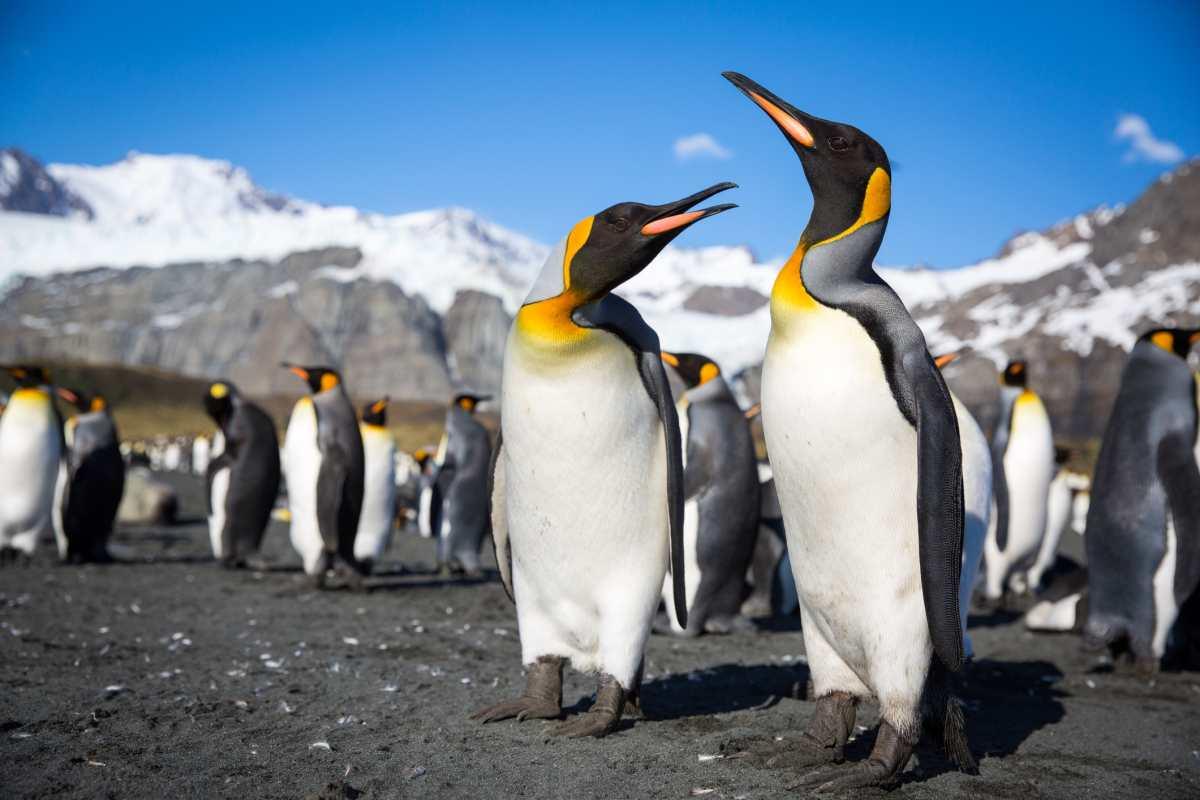
King Penguins thriving in Gold Harbor
Phenology is the term for the timing of natural events, like when plants bloom and birds breed. And lately, it has become a big concern. As the planet warms, different species are adjusting their schedules at different speeds, which can throw entire ecosystems out of sync. For example, flowers might bloom earlier while the bees that pollinate them show up later. The same can happen with predators and their prey. These timing mismatches are especially common in birds and pollinating insects.