
Yellowstone Wolves See Sharp Decline in Population. Experts Say This Hidden Threat Is To Blame
Published March 11 2026, 9:43 a.m. ET

Druid wolf pack in snow-filled Lamar Valley, Yellowstone.
From 123 to merely 90, the wolves of Yellowstone National Park underwent a stark population decline in 2025. The iconic and fearsome predators are growing scarce in population, and an insane number of factors are driving this change. Last year's 27% decrease occurred despite the park's efforts in wolf conservation and research, making the issue more concerning. According to a new study published in the journal Ecology Letters, the wolves of Yellowstone chew on more bones to cope with climate change. Fossil evidence shows that grey wolves evolve their diets to deal with the warming temperatures. Now, climate change has driven them to eat harder foods like bones to meet their nutritional requirements in warmer climates. The University of Bristol researchers, who led the recent study, believe their findings can help wolf conservation.
The research, conducted in collaboration with the Natural History Museum, London, used tooth samples of grey wolves from three different time periods. Using a method called Dental Microwear Texture Analysis (DMTA), the team analyzed scratches and pits on wolf molars, which indicated the type of diet they indulged in during the final days or weeks of their lives, or as the researchers call it: the 'last supper' effect. “The DMTA results from fossil wolves from the two interglacial periods were very different," study co-author Danielle Schreve said in a statement. "Tooth surface features indicate that the dietary behavior of wolves from the older interglacial included the consumption of less hard food than those from the younger interglacial period," she added.
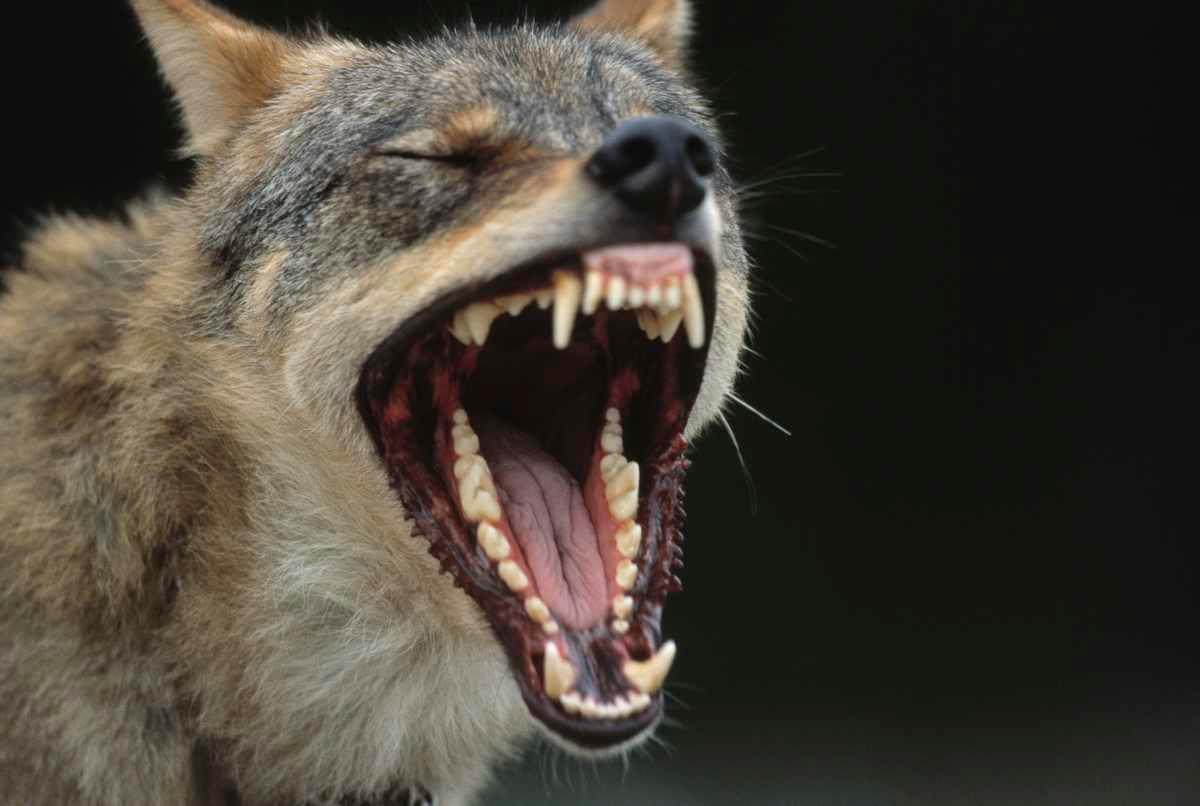
Gray wolf howling
Schreve revealed that the wolves are consuming carcasses more thoroughly in warmer climates. The modern wolves of Poland, a region also undergoing climate change, surprisingly show the same pattern as those from the younger interglacial. Wolves across Europe and beyond are experiencing ecological stress, which is impacting their diet and overall health. “The findings suggest wolves were working harder to extract nutrition during warmer climate periods, scavenging more extensively or consuming parts of prey they would normally avoid," said study lead author Dr. Amanda Burtt. “The findings have major implications for wolf conservation across Europe and beyond," she added.
Climate change is certainly one of the reasons that triggered the massive population decline at Yellowstone, as it reduces prey availability and changes the habitat of the wolves. Other factors, like inter-pack conflict, natural mortality, and death from illness, also contribute to the reduction in the number of species. According to Montana Outdoor, the park's management is keeping a close eye on such developments through tracking and research methodologies. Preventing the Yellowstone wolf population is important not just for the park's sake but also for maintaining ecological balance. Wolves are apex predators that play a crucial role in the ecosystem and food web. Their decline would impact the population of larger herbivores like deer, elk, and bison. With fewer predators eating these grazers, they would grow in numbers.
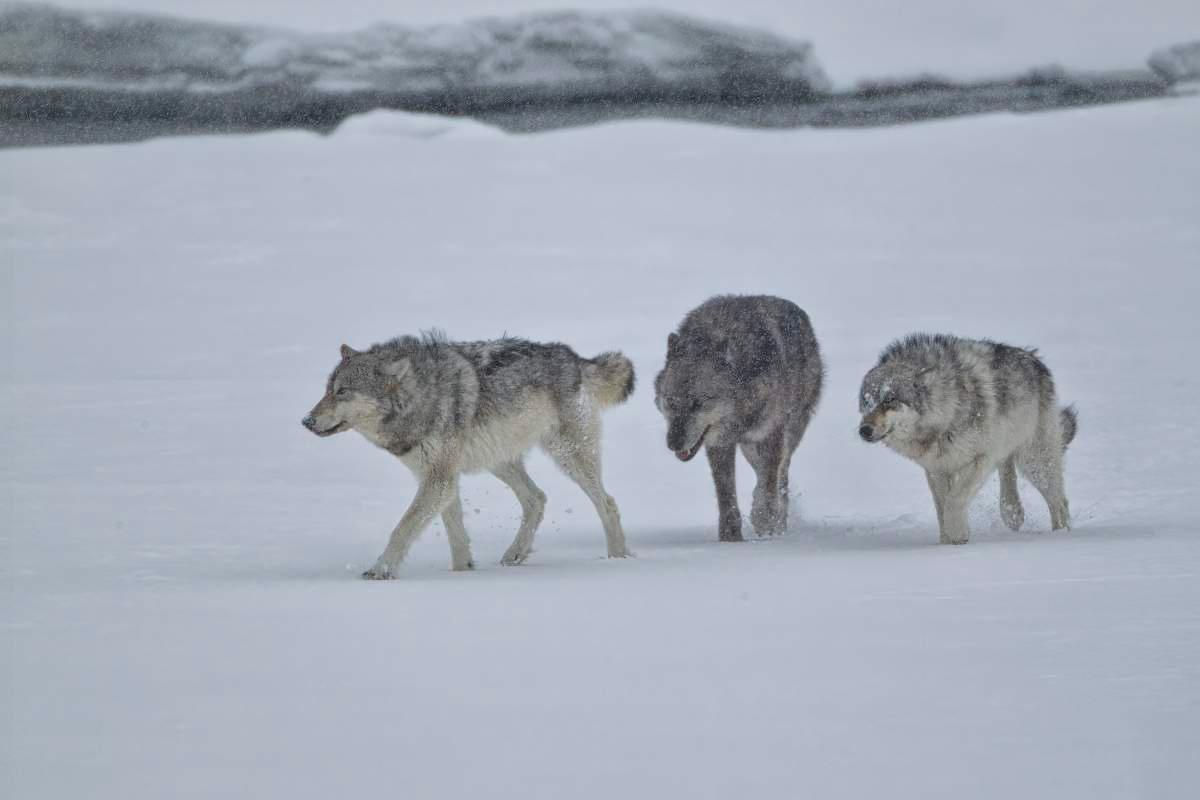
Arctic gray wolves wandering in Yellowstone snow
The increased population of these herbivores, in turn, threatens local vegetation and overall biodiversity. Prey and predators exist to harmonize the ecosystem. An imbalance caused on either side could lead to habitat degradation and biodiversity loss. Lastly, wolves are a glorious wild creature at Yellowstone, attracting hundreds of tourists from around the world. Without effective conservation efforts, the wolves would disappear, and without them, the park would be at risk of losing its glory and economic and educational value.