
A Meteorite Just Crashed Through a Roof in Germany After Stunning Fireball Was Seen In the Sky
Published March 10 2026, 7:07 a.m. ET

Fireball captured over Germany
A meteorite crashed through the roof of a house after a stunning fireball lit up the sky over parts of Europe on March 8, 2026. The bright streak was visible across several countries, including France, the Netherlands, Belgium, Luxembourg, and Germany. As the space rock entered the Earth’s atmosphere, most of it broke apart due to intense friction from the air. As the meteor was burning up, one of the fragments survived the fiery journey and made it all the way down. That very piece crashed through the roof of a home in Koblenz, Germany, and left a hole the size of a soccer ball.
According to the Koblenz police, no one was harmed and said, “This evening around 7:00 p.m., a burnt-up celestial body struck the roof of a residential building in the Güls district of Koblenz. No one was injured.” Reportedly, there was also possible damage in other areas, including the Hunsrück and the Eifel. The State Office for Fire and Disaster Protection activated its Civil Protection Situation Center to track the situation and coordinate updates. Emergency teams were sent out to investigate places where debris may have fallen. A few other homes in the region reportedly had minor damage as well, but officials said none of it was serious.
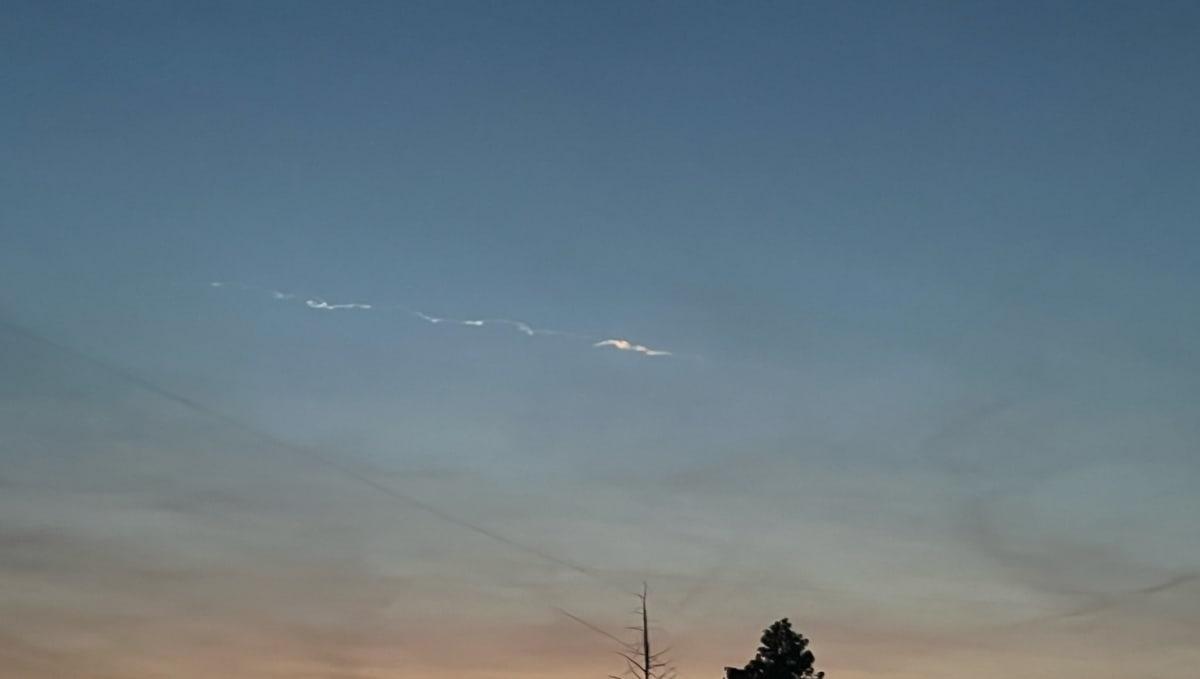
Smokey streak of the meteor
The fireball became a spectacle, with an audience. Thousands of people across Europe reported seeing a bright streak in the sky, and many captured it on video before sharing the clips online. The International Meteor Organization received over 2,800 reports. Researchers are now interested in fragments found in Koblenz’s Güls district, where the meteorite is believed to have landed. These pieces could help scientists analyze the rock’s composition and trace its origin in space.
According to the ESA, the fireball was visible for about six seconds before it broke apart into pieces due to air resistance. The ESA Planetary Defence team reported that the space rock itself was likely only a few feet wide. Events like this are actually more common than people might think. Space rocks larger than about 33 feet strike Earth roughly once every decade, while meter-sized objects can enter the atmosphere every couple of weeks. Even though most burn up before reaching the ground, scientists say the risk from meteorites is still high.
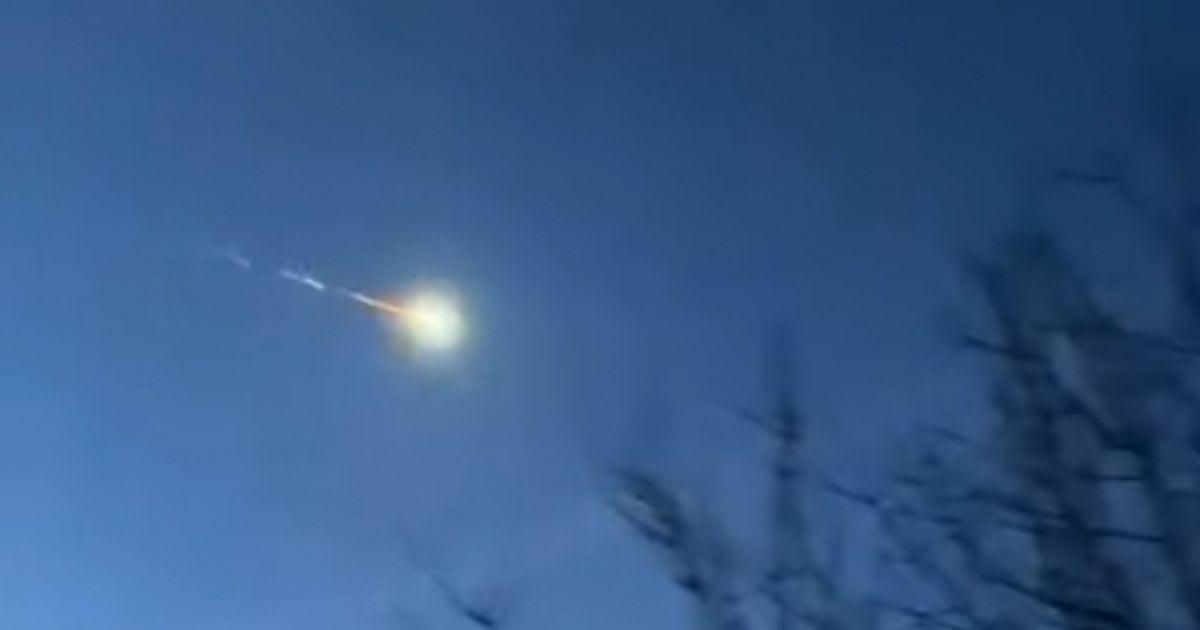
A fireball over Germany
“Although everyone’s individual situation and risk are different, on average, it's slightly more likely that a >140-meter asteroid or comet hits the Earth than an individual is struck by lightning,” Professor Carrie Nugent from Olin College said, per IFLScience. She also said that an asteroid impact is considered less likely than experiencing carbon monoxide poisoning. While the chances of such an event happening in any given year are extremely small, the probability is not zero and may actually be higher than many people assume. “But, just like carbon monoxide poisoning is preventable, so is an asteroid impact – if we have enough time to prepare,” she added.