
Wildlife Filmmaker Captures Mysterious Yellowstone Graveyard Where Elk and Bison Go to Die
Updated Feb. 3 2026, 6:51 a.m. ET

Bison at the 'animal boneyard' in Yellowstone.
A boneyard lies somewhere on the grounds of Yellowstone, where elk, bison, and other animals go to die. While the vast landscape of the national park might possess animal bones scattered across different areas, one particular region has heaps of them. Wildlife filmmaker Casey Anderson, who landed upon the remote location within the park, told Cowboy State Daily that most visitors are blissfully unaware of the boneyard at Yellowstone's northern range. “Bones can be found just about anywhere in Yellowstone,” Anderson said. However, the site hailed as a boneyard has a high concentration of wildlife bones, hinting at mass deaths. The filmmaker revealed that groups of wildlife go to this particular spot on the cusp of spring to take their last breath.
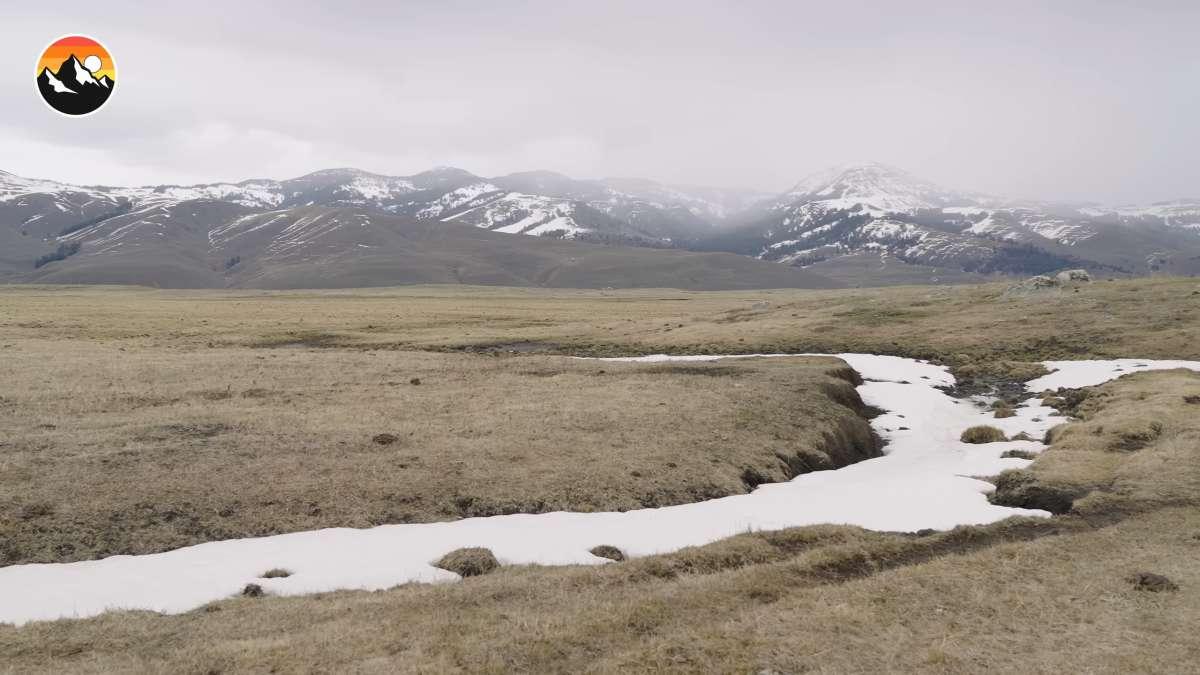
The 'animal boneyard' at Yellowstone National Park.
Popular adventure influencer Coyote Peterson visited the national park with Anderson, hunting for the mysterious graveyard. "Any of these animals could have had a hard winter, struggled, and passed away, and for some reason, they are drawn to this specific area: the animal boneyard," Peterson said in a video uploaded on his YouTube channel. During their hunt, the duo found a bizarre accumulation of bones, including a massive bison skull. Finding a giant graveyard might be depressing, but the carcasses strangely benefit the ecosystem, providing food to grizzlies, wolves, eagles, and other carnivores. While inspecting the massive bison skull, Anderson pointed out that its bony horn cores lacked the black or brown layer made of keratin.
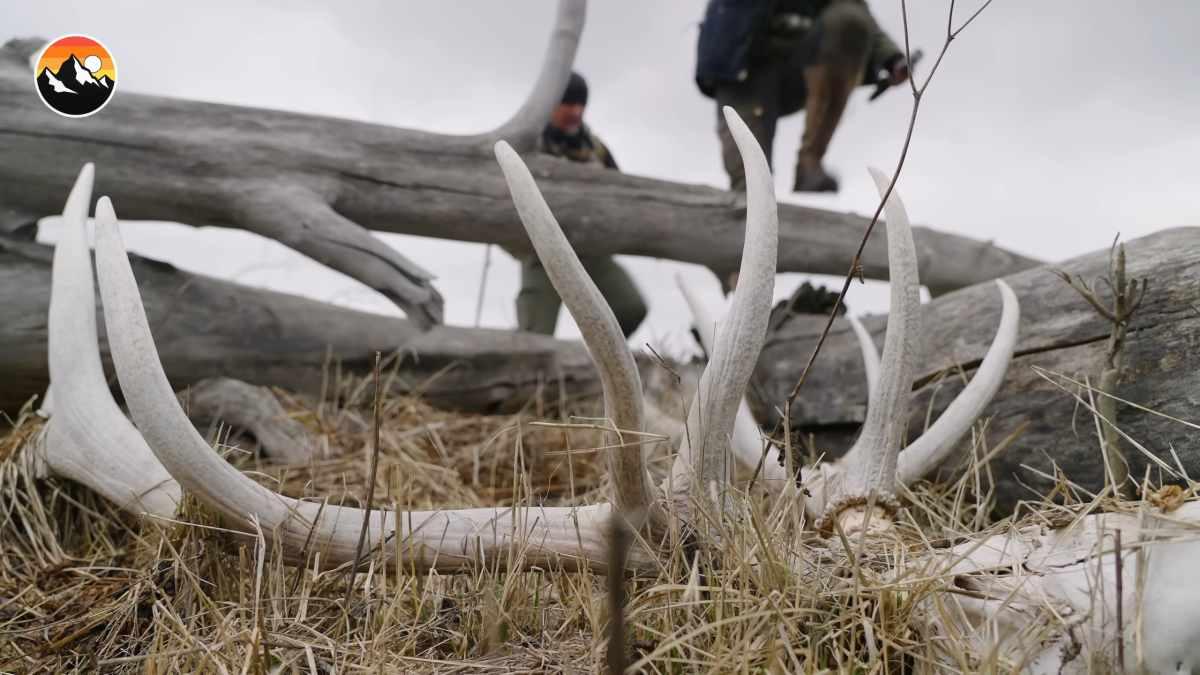
Elk antlers at Yellowstone.
That's because it's the first thing the larger carnivores eat off a bison carcass. "Wolves and coyotes love to chew on them," Anderson revealed. Peterson knocked on the "rock-hard" skull of the bison to highlight the dangers it poses to the visitors who dare to go too close. Anderson likened the mysterious site to the famous fictional “elephant graveyard” from the animated movie The Lion King. The fictional site was depicted as a place where elephants went to die, which mischievous lion cubs Simba and Nala stumble upon and witness huge piles of elephant carcasses. “That’s what it felt like going into the animal boneyard,” the wildlife filmmaker told the outlet.
The duo also found bull elk skull cap and antlers. Anderson admitted that they were probably the biggest he’s ever seen. "The camera didn’t even do justice to how massive those antlers and that skull top were," Anderson said. However, it is important to note that they did not take anything from the site and kept them back where they found them. This is because it is illegal to remove animal parts from Yellowstone, and that includes antlers and bones. Peterson said, "Nothing we found there was taken from the wild. That’s a huge no-no in Yellowstone."
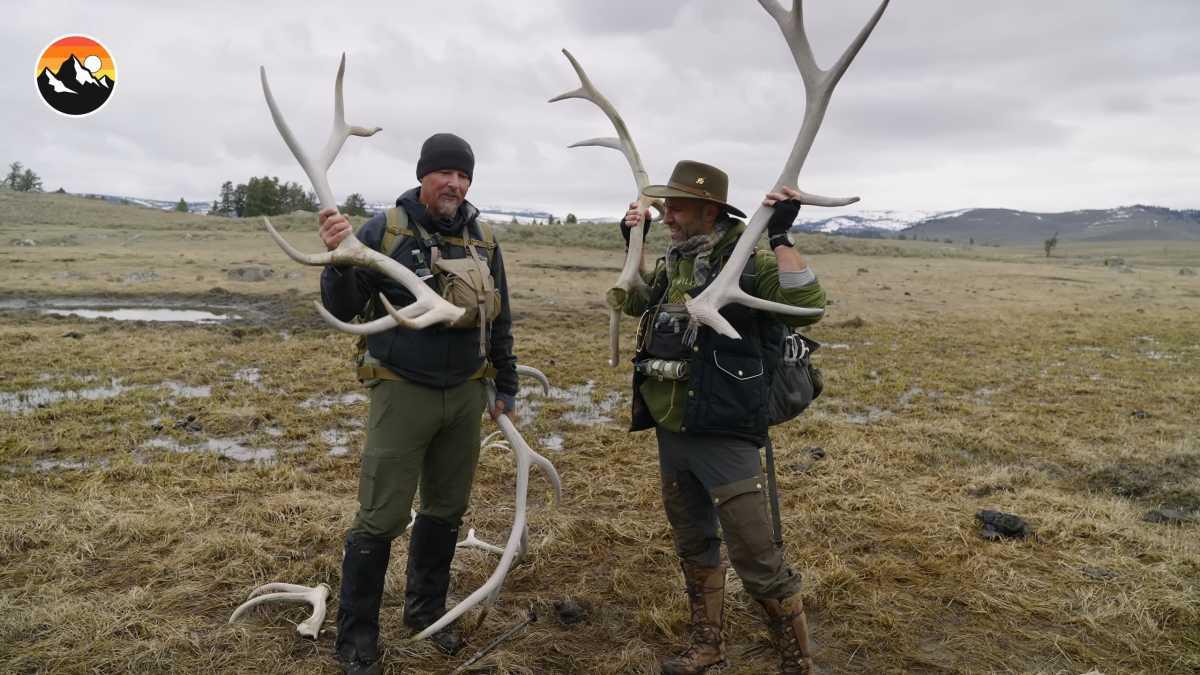
Anderson and Peterson holding elk antlers at Yellowstone.
But what drove these wildlife creatures to pick the destination of their demise? Anderson believes that the middle of winter isn't as dangerous as spring for large herbivores like elk and bison. After surviving on scarce food and foliage throughout the winter, these large herbivores exhaust their fat reserves, using them as an energy source. When green grass appears in spring at some distant place, the animals travel in hopes of relishing the promising food. The expert revealed that the animal boneyard is one of the first areas of Yellowstone to "green up" with the arrival of spring, attracting herbivores in large numbers.
The larger herbivores start to chew on the fresh foliage while their digestive systems haven't yet adjusted to the rich food after months of scarcity. “It’s like if you have a horse that was stuck eating dry grass all winter, and you all of the sudden started feeding him fresh, green alfalfa. That’s not good for him,” Anderson said, adding, "They get diarrhea. They get dehydrated and it pushes them over the edge." The deteriorating health presumably triggers mass die-offs of these animals, and that array of carcasses in the boneyard is proof.