
This Outfit Mistake is Causing Huge Amounts of Visitor Injuries in the Great Smoky Mountains
Published Dec. 8 2025, 8:25 a.m. ET

Visitors enjoying the sunlit views of Great Smoky Mountains National Park
Visiting the Great Smoky Mountains National Park is always a treat. From the historic log cabins to cascading creeks, from dripping mountain laurels to gigantic boulders, everything in the park holds a glowing meditative aura that instantly transports the visitor to a state of relaxation. Guarding the mountaintops is the park’s signature “smoky blue haze” generated by the chemicals vaporizing from plants and grasses below. However, while you straddle along these trails, on foot or on horseback, changing temperatures can disrupt your hike. If the temperature is blazing hot, it’ll drain you dry, and if it is too cold, you will freeze you out. To avoid these extremes, the National Park Service (NPS) suggests adhering to a proper dress code in accordance with the season and climate.
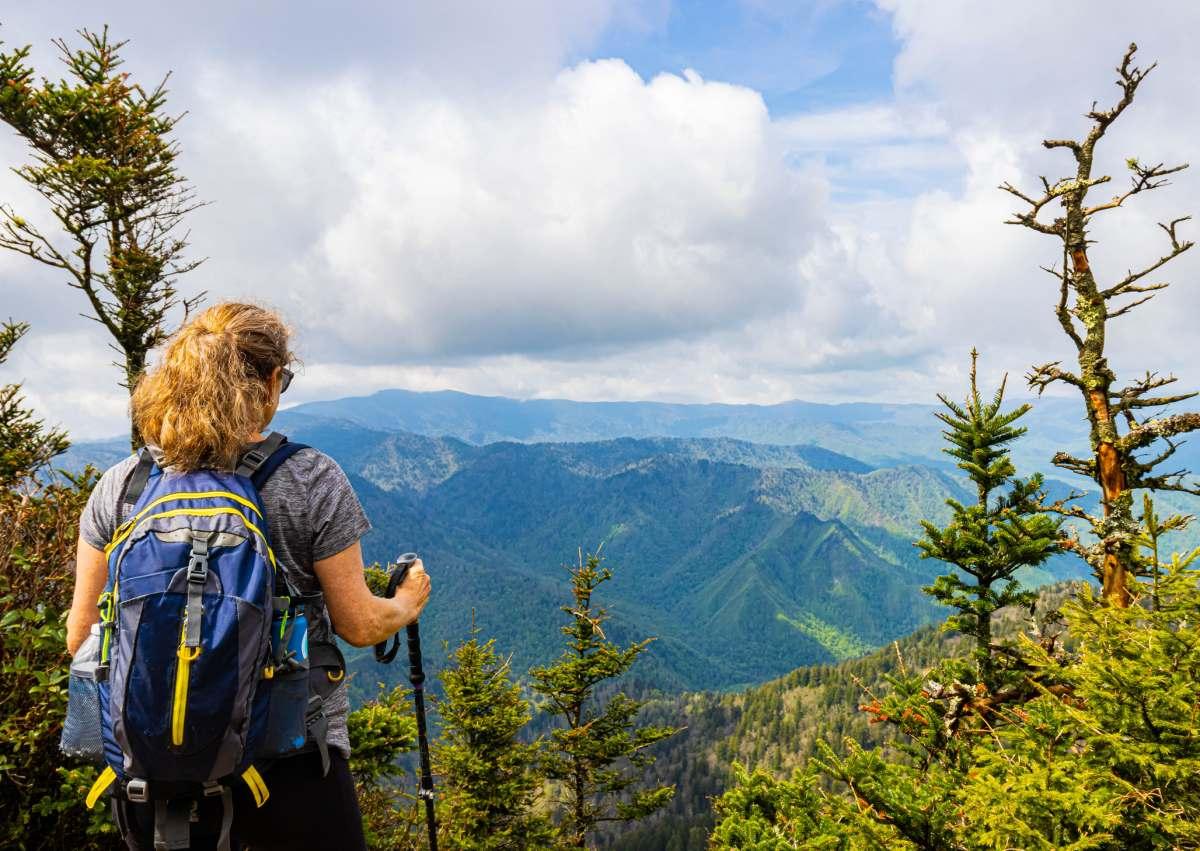
A hiker is enjoying the views at the Smoky Mountains National Park
“We’re going to the Smokies at the beginning of October. Just curious if I’ll need to pack sweatshirts or short sleeves?” A visitor named Talitha Badalucco asked the users in a Facebook post. She also asked whether the leaves would be changing color in October. In response, user Linda Hurst suggested “short sleeve clothing for the day and long sleeve clothing for cool nights.” Another user said, “Layers is always the answer.” NPS recommends “lightweight, breathable clothing.”
Proper dress code isn’t just to protect your body against the changing seasons; it’s also to ensure that you don’t fall victim to an injury or hazard. Last year, the Great Smoky Mountains National Park was the most visited in the United States, with 12.19 million visitors, followed by Zion National Park, according to CNN. Every year, hundreds of them encounter injuries, many of them falling victim to slipping or falling hazards. Other causes are motor vehicle accidents, drownings, and medical emergencies. But one of the leading causes of injuries in the park is “not wearing proper footwear,” the park service says.
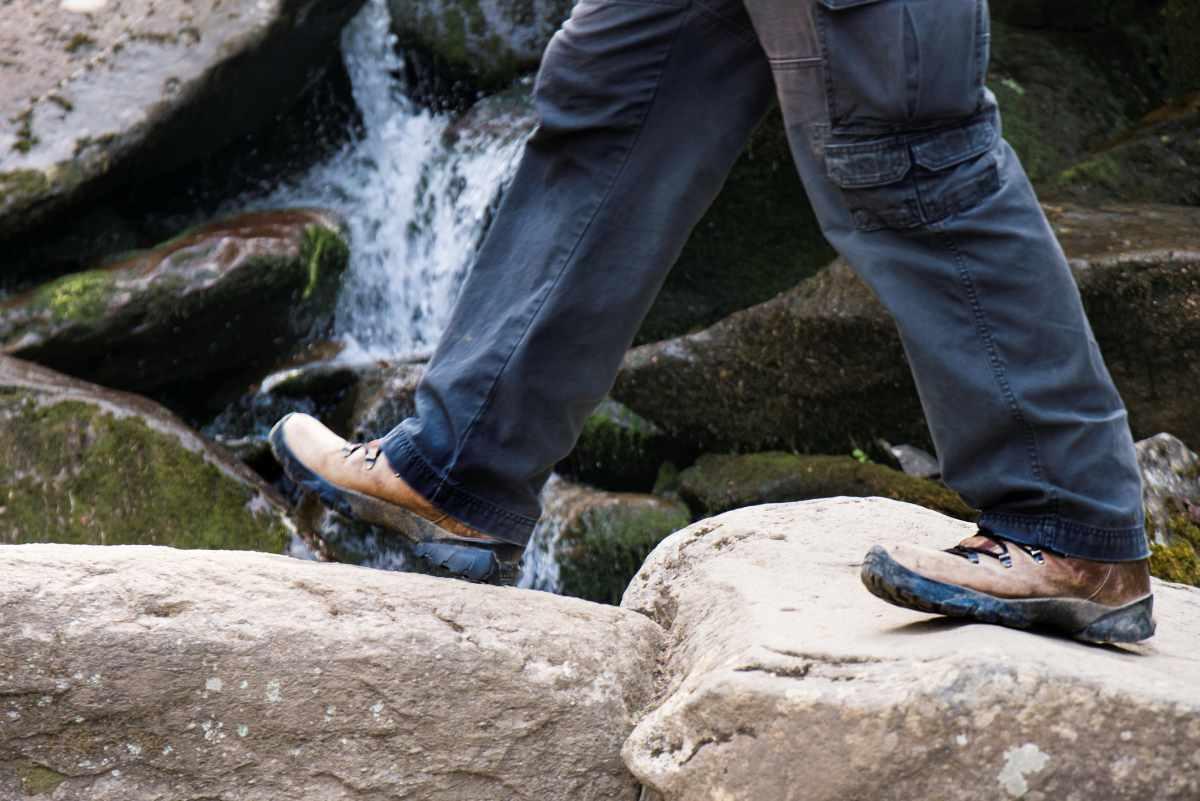
A man hiking in the Great Smoky Mountains National Park is wearing proper footwear.
In winter, the ankle-deep slush of snow can ruin your boots, maybe even causing you to tumble down a slippery slope. Wearing ankle-supporting boots is advisable, the NPS says. Additionally, it is advised that the boots should have the following features: Gusseted tongue, high cut tops, sturdy heel support, deep, thick lugs, and be made of thick, multilayer, and waterproof material. In another recent Facebook post, visitor Carla N Rich Coburn asked people for footwear suggestions for long-distance hikers. One person said they prefer Injinji liners and heavyweight Darn Tough socks. Another recommended wool socks. One said they carry Keene’s lightweight boots.
Apart from proper boots, the park suggests visitors dress up in waterproof or watertight jackets. Besides, there are other essentials. For example, the navigation compass, sunscreen, flashlight, binoculars, pocketknife, whistle, first-aid kit, and emergency shelter, like a tent, among other things. Plus, visitors should carry light snacks or munchies in their backpacks. At the Cades Cove Campground, though, there are shops that sell grab-and-go breakfast items, hot and cold sandwiches, pizza, and soft-serve ice cream. If you are an avid stargazer, you should also install a star app to behold the Southern skies. And, there are bugs, lots of them. Instead of trying to swat them, carry a bug repellent spray.