
This Common Romantic Gesture Is Becoming a Threat to Wildlife at Grand Canyon National Park
Published Jan. 14 2026, 7:00 a.m. ET

(L-R) Park officials appeal to visitors to stop putting 'love locks'; a couple poses at the Grand Canyon; X-ray of a condor that swallowed a key (Cover Image Source: (L&R) Facebook | Grand Canyon National Park; (C) Getty Images | Jacobs Stock Photos)
Love comes with a sense of responsibility, especially when it comes to public affection. One may kiss, hug, or take selfies, but an expression of love that takes another life should be avoided. Officials in Grand Canyon National Park spend hours every week stripping down towers of "love locks" couples leave behind as testaments of their unbroken, eternal love. While the gesture itself does not pose a direct threat, the issue arises when condors get attracted to the shiny padlock keys that are dropped into the gorge below, and sometimes end up ingesting them. A moment of romance for the couple turns into a life-taking tragedy for the birds. In a 2023 Facebook post, the park urged couples to avoid placing padlocks in the park. "Love is strong, but it is not as strong as our bolt cutters," the park wrote.
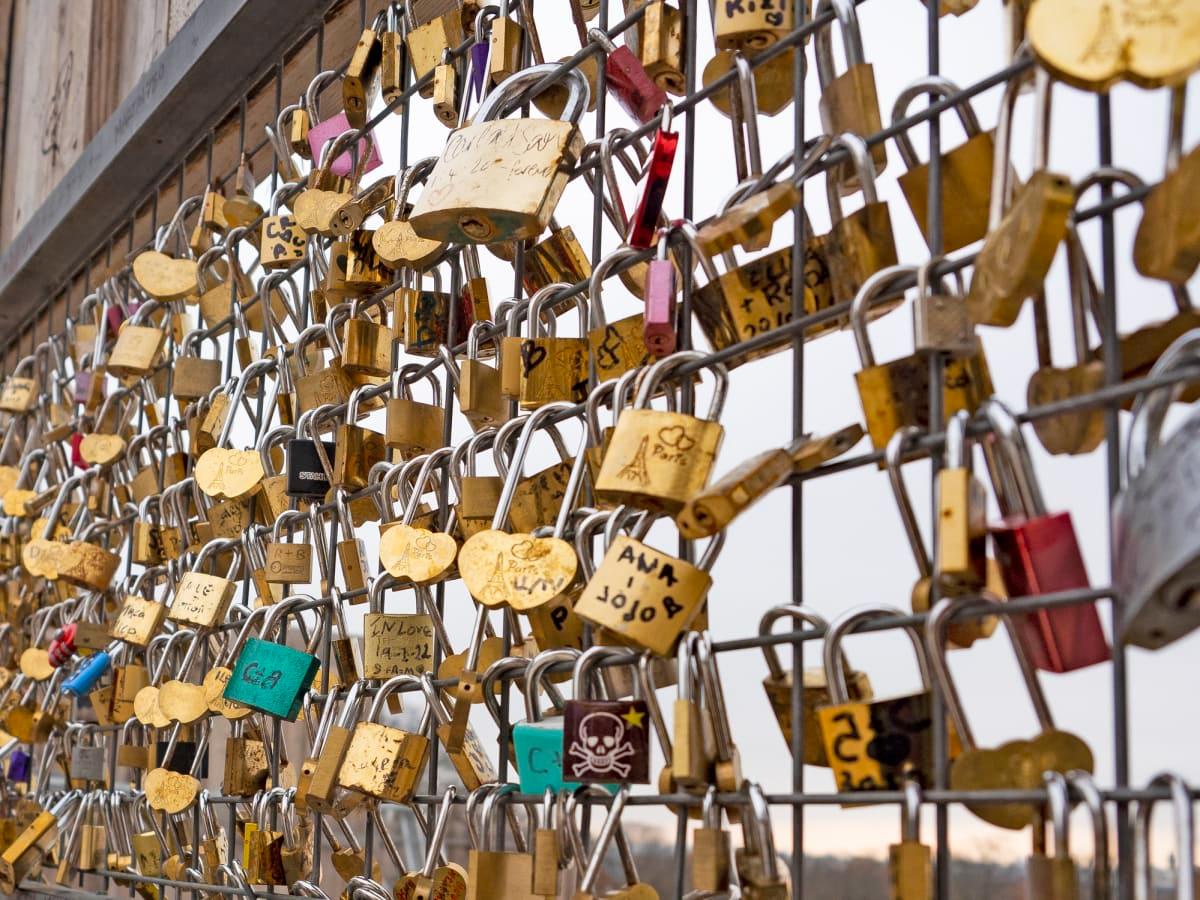
Shiny love locks with names scrawled on them dangling on a fence
The warning might sound restrictive, but for the innocent birds, this seemingly harmless gesture can be deadly. Their stomachs might be able to digest love or affection, but they are not built to digest the hard metal these love locks are made of. "People think putting a lock on fencing at viewpoints is a great way to show love for another person. It's not," the park stated.
Love locks are padlocks that couples attach to the park's fences as a memory of their love. After they leave the park, these padlocks litter the grounds as distracting graffiti. If it ended just here, it wouldn’t be so much of a problem. But sadly, there's more that threatens the environment.
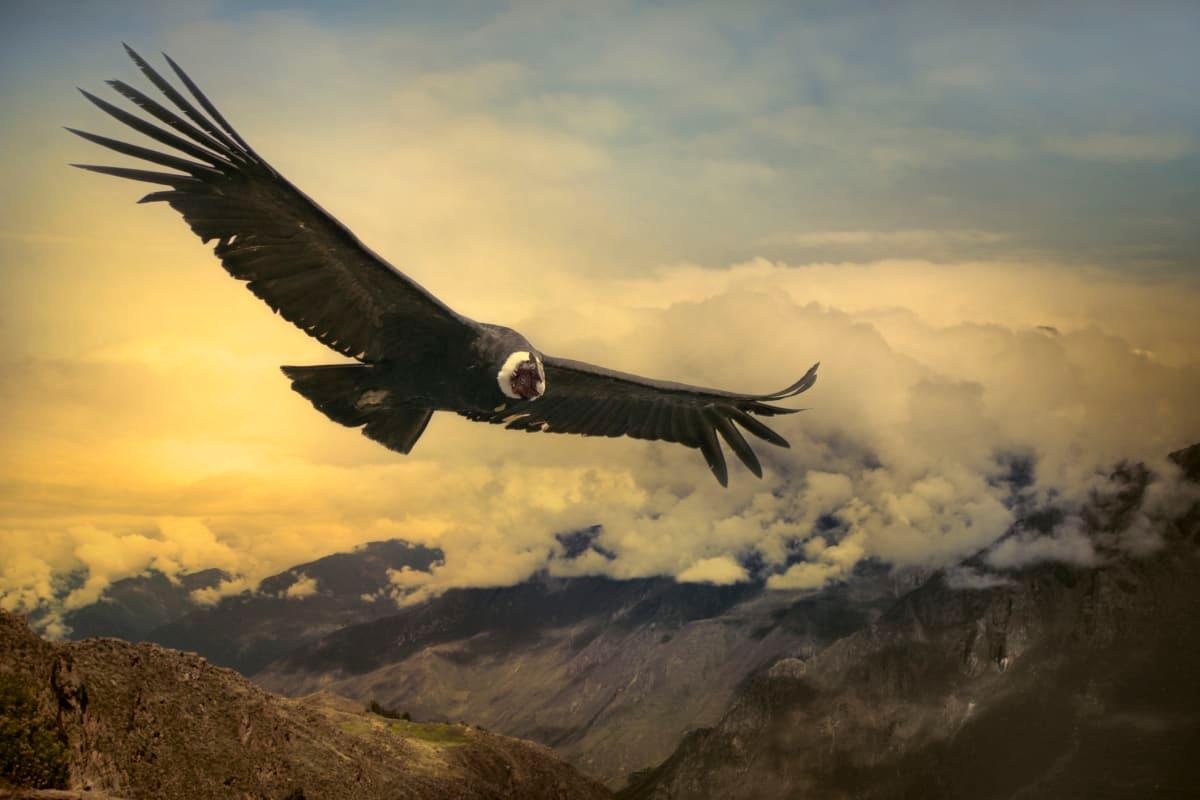
A majestic condor with its signature black plumage in flight during sunrise
Condors arriving from northern Arizona and southern Utah are drawn to shiny objects. "Condors are curious animals and, much like a small child will investigate strange things they come across with their mouths," Grand Canyon explained in the post. The moment they see one of these locks, a coin, a wrapper, any shiny piece of metal, they divebomb from the sky, and sometimes, gulp down the item. Some are saved through surgery, but not all are as lucky.
"Condors are not meant to digest metal and many times cannot pass these objects," Grand Canyon authorities wrote, explaining how this act of love can be fatal to the condors. They also shared the X-ray image of a condor's belly that shows the imprint of a key that was once thrown away after a couple placed a "love lock". Keys form a major part of the problem. After a "love lock" has been placed on a fence or railing, couples often toss the key in the rocky abyss of the canyon's valley. Over time, the valley becomes full of such keys, many of which tumble down into lakes and ponds, choking fish. Those that are left behind on the ground attract birds and animals with their luminous shine. Once the bird or the animal grabs the key and chugs it down their throat, they are most likely to lose their lives. An act of love for someone ends up becoming the death sentence for another living creature.
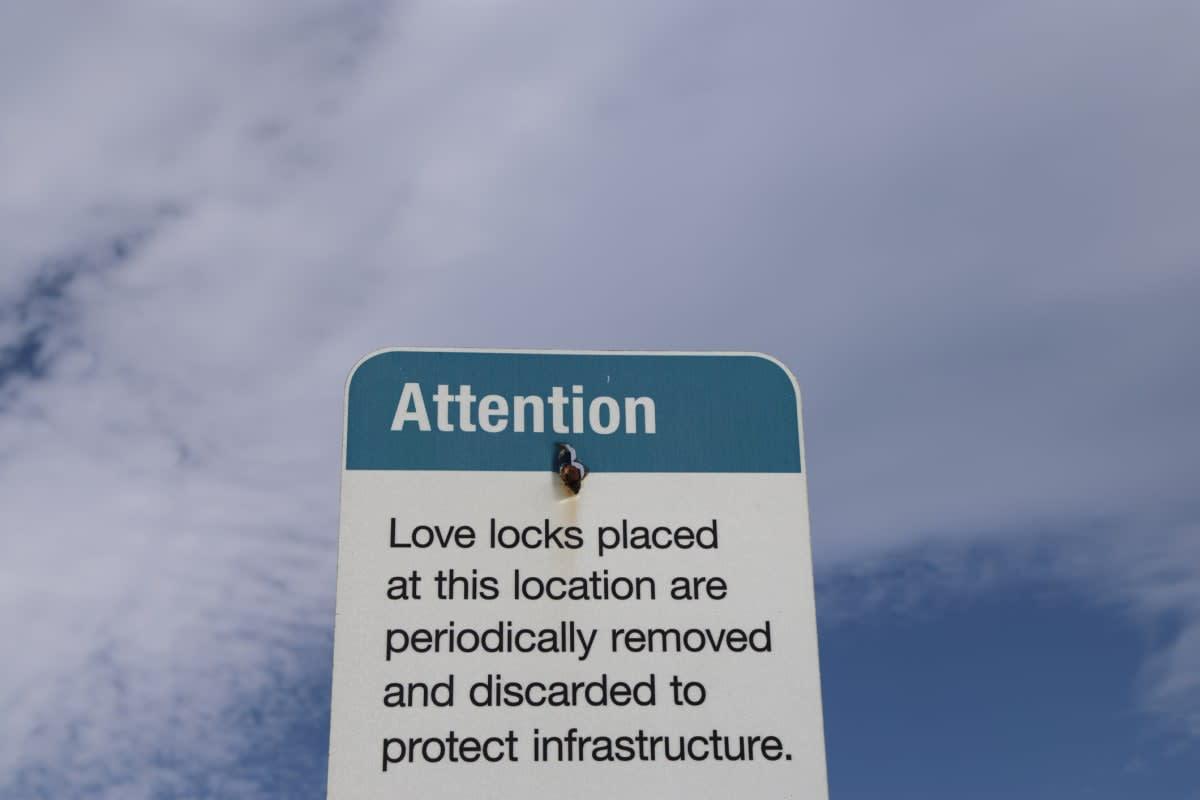
A warning sign advises couples to avoid placing love locks
"Share a kiss or hug, snap a selfie. Have that selfie printed and framed. Hang it in your home. Rusty padlock? Nah, not so much," a netizen commented on the Facebook post. Others reminded visitors to remember the "leave no traces" aphorism. "I have always wanted to do a padlock love thing. But you have just changed my mind," one wrote.
The problem is not limited to the Grand Canyon. A bridge in Paris literally collapsed by the sheer weight of millions of love locks couples had placed on it, weighing almost as much as 20 elephants, as per CNN. One possible solution to this could be the use of collection boxes. Some sites, like Queen Elizabeth Park in Vancouver, keep collection boxes for the keys, so there is no littering.