
Grand Canyon National Park Is Facing a Water Shortage — and Its Hotels Are Closing
Published Dec. 3 2025, 8:40 a.m. ET

View from South Rim of Grand Canyon National Park
The South Rim of Grand Canyon National Park is a nature documentary that runs non-stop from sunrise through sundown and in between. Visit the Ooh Aah Point or the Hopi Point, and you might witness oranges, purples, blues, and pinks. Along the snaking passes of South Kaibab Trail, bighorn sheep hang out, as well as flocks of blue-inked stellar jays and elk that become aggressive during the rutting season. Besides the stone structures of Hermit Rest, visitors juggle to manage their ice-creams and cameras. All this merriment, however, is currently blocked from the experience of visitors, thanks to the Dragon Bravo Fire that devastated the North Rim in July 2025. And now, officials will close the South Rim for overnight visitors from Saturday, December 6.
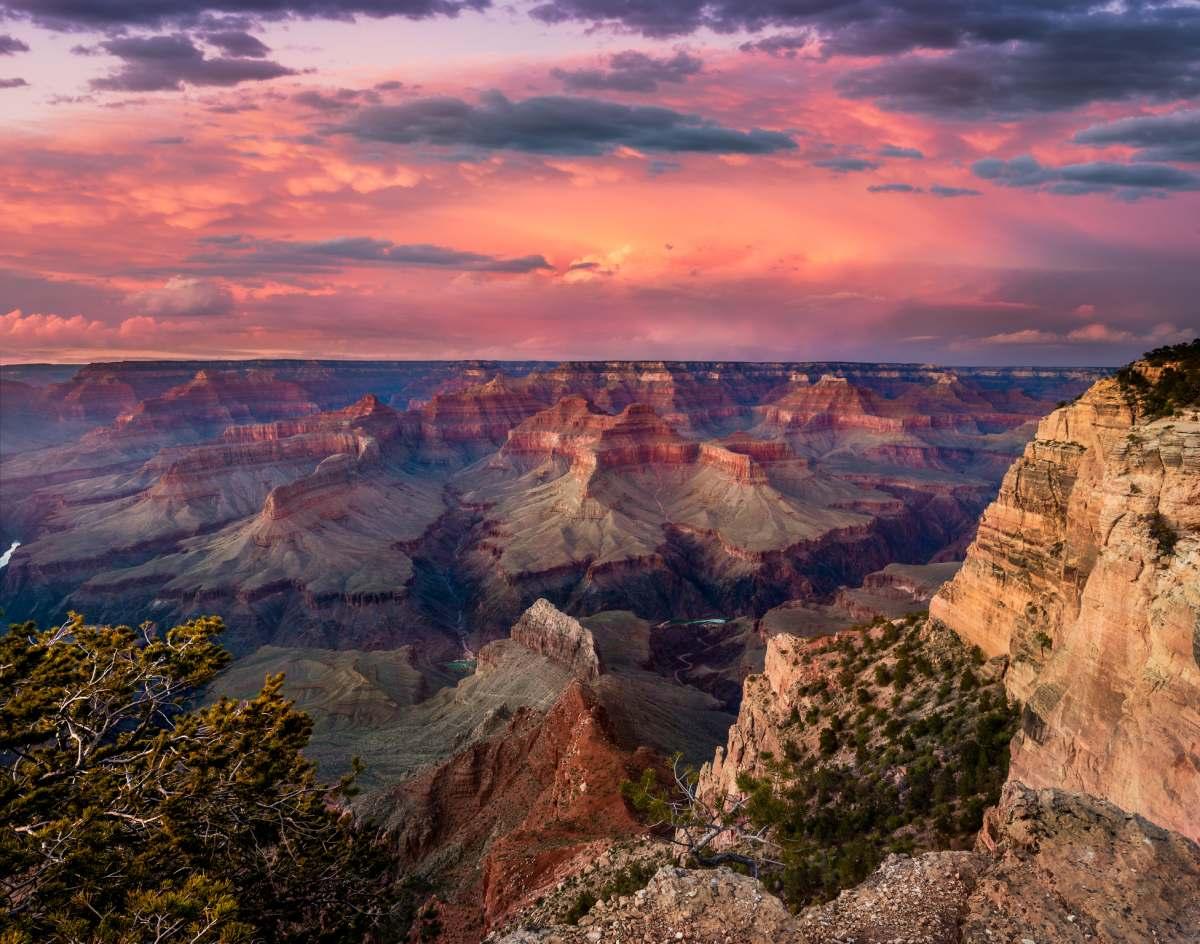
Rosy sunset bathing the South Rim of Grand Canyon National Park in stunning hues
The fire began with a thunder of lightning. Soon, the flames rushed along the hiking trails, climbed and leaped upon the trees, and reached a chlorine treatment plant that was already experiencing gas leaks. The flames caught a bounty of fuel. For months straight, the flames charred the scrubs and grasses and meadows of the park, scorching up flowerbeds and causing hundreds of buildings to collapse into heaps of rubble and ash. By September 28 and 29, the fire managers were able to contain the fire, but it had already burned up over 140,000 acres of the park, including the historic Grand Canyon Lodge, according to The Conversation.
In the aftermath, it is the South Rim that is suffering the most. One of the main concerns is the shrinking water supply. Since November, the South Rim has been facing challenges in water supply. As a result, the park is shutting down some of its properties, including El Tovar, Bright Angel Lodge, Maswik Lodge, Yavapai Lodge, and Trailer Village.
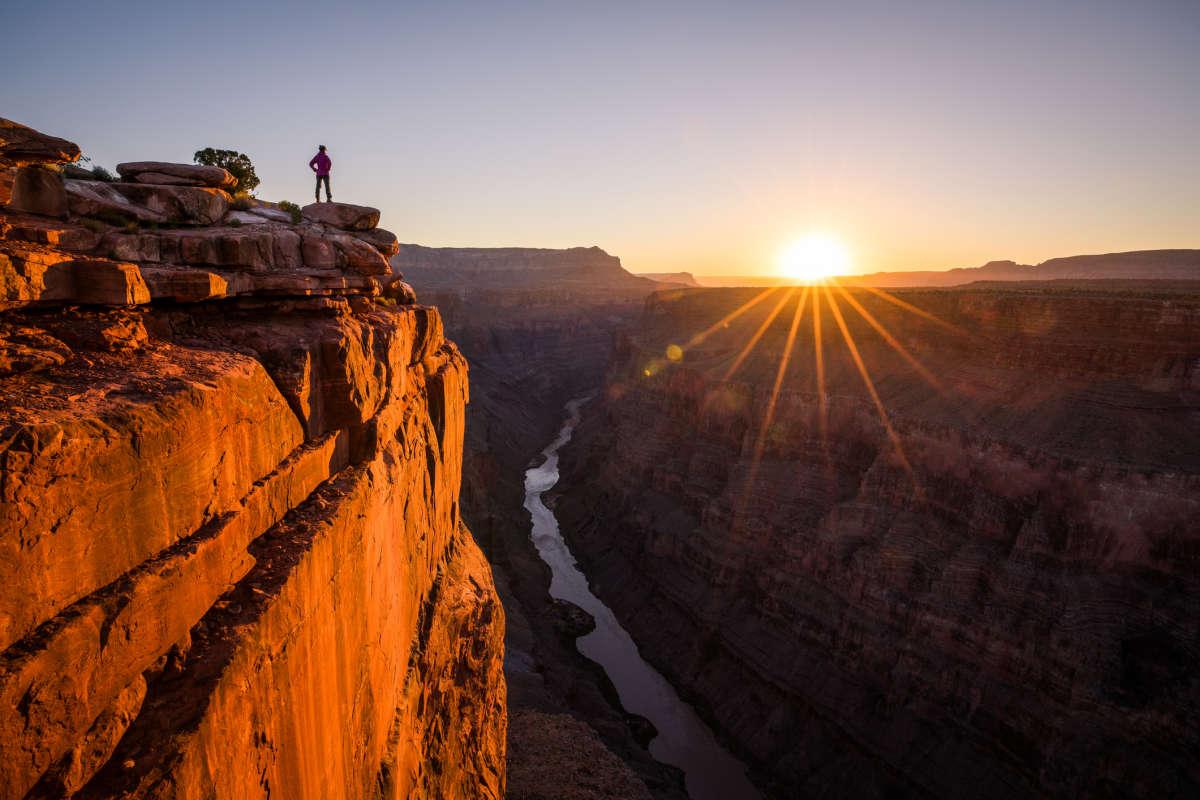
Picturesque view of the Grand Canyon Representative Image Source: Getty Images | Putt Sakdhnagooi)
For guests planning to stay overnight in any of the other lodges, the accommodations have been halted, as well as the rest of the hotel facilities. Visitors are also urged to promote “dry camping.” Spigot access at Mather Campground on the South Rim will remain turned off, though faucets in bathrooms will remain operational. Essential operational services will remain open for the day, including food and beverage services, the Grand Canyon Clinic, and the post office.
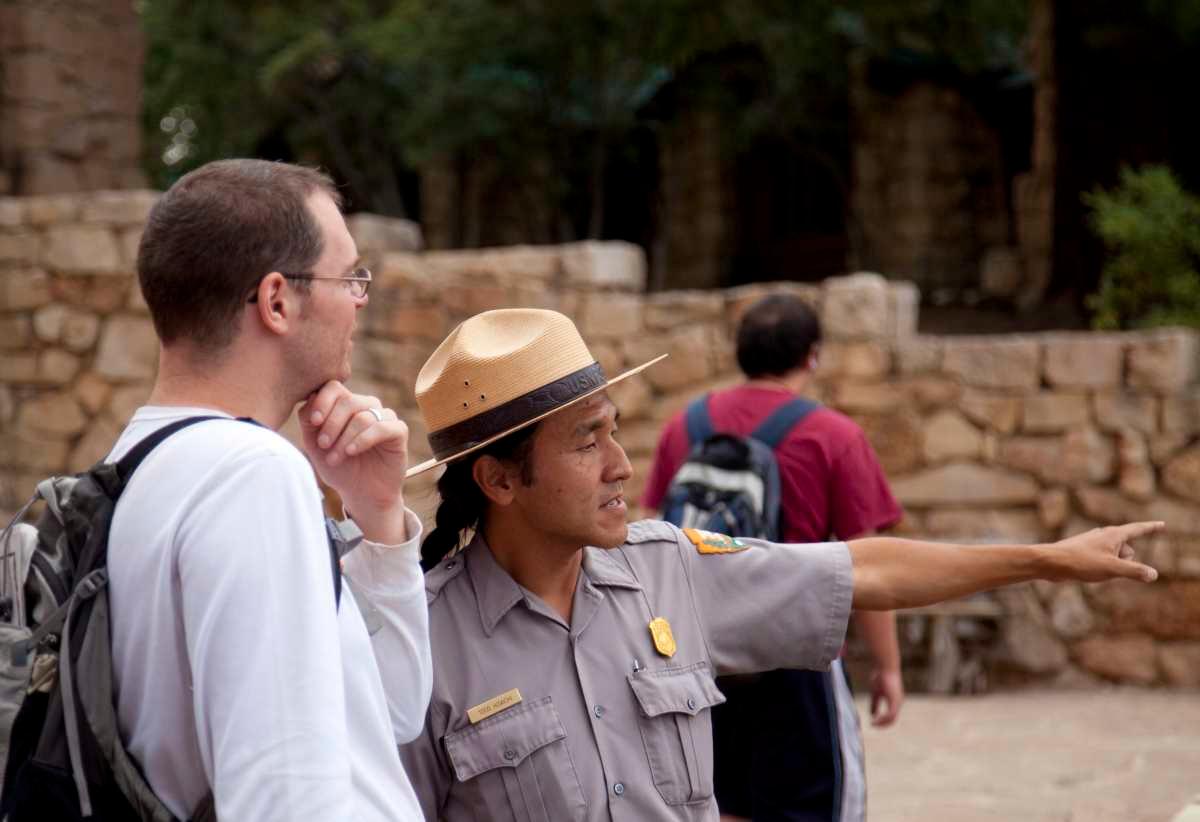
A park ranger is guiding a tourist at the North Rim of the Grand Canyon.
No fires will be allowed on the South Rim. Activities like wood burning, campfires, warming fires, and charcoal barbecues are prohibited. Existing conservation measures remain applicable for residents of the South Rim, including limiting showers to five minutes, turning off faucets while shaving or brushing teeth, flushing, washing laundry, etc. Backcountry hikers can visit the park’s Critical Backcountry Updates webpage. For information on water availability in the backcountry.
Meanwhile, the Transcanyon Waterline, the 12.5-mile facility that provides potable water supply to the South Rim, is undergoing a $208-million rehabilitation project that will repair the water system to meet the needs of five million annual visitors and 2,500 year-round residents. The project is expected to be completed by 2027.