
Shingles Vaccine May Do More Than Prevent a Rash — It Could Cut Dementia Risk by 20% in Seniors
Published Dec. 8 2025, 7:38 a.m. ET

An older woman is getting injected with a vaccine by a doctor in her upper arm.
In a recent study led by Stanford Medicine, researchers found that older adults who received a shingles vaccine were 20% less likely to develop dementia in the next seven years compared to those who didn't receive the vaccine. An earlier finding published in the journal Nature boosted the theory that viruses can affect neurological disorders. The relevance of the theory is growing rapidly, with more studies proving the same. In the latest study, experts found that certain vaccines affect dementia in a good way.
According to the WHO, dementia occurs in more than 50 million people around the world, with an estimated 10 million new cases emerging each year. In the decades-long research on the disease, scientists focused on the neurological aspect. Yet there's been no breakthrough in its treatment or prevention. Therefore, researchers have begun to look beyond the brain and take other potential causes and factors into consideration, like viral infections. As for the shingles vaccine, it is used to prevent shingles, which is a viral infection that produces a painful rash. The virus, varicella-zoster, that triggers shingles, is the same one that causes chicken pox.
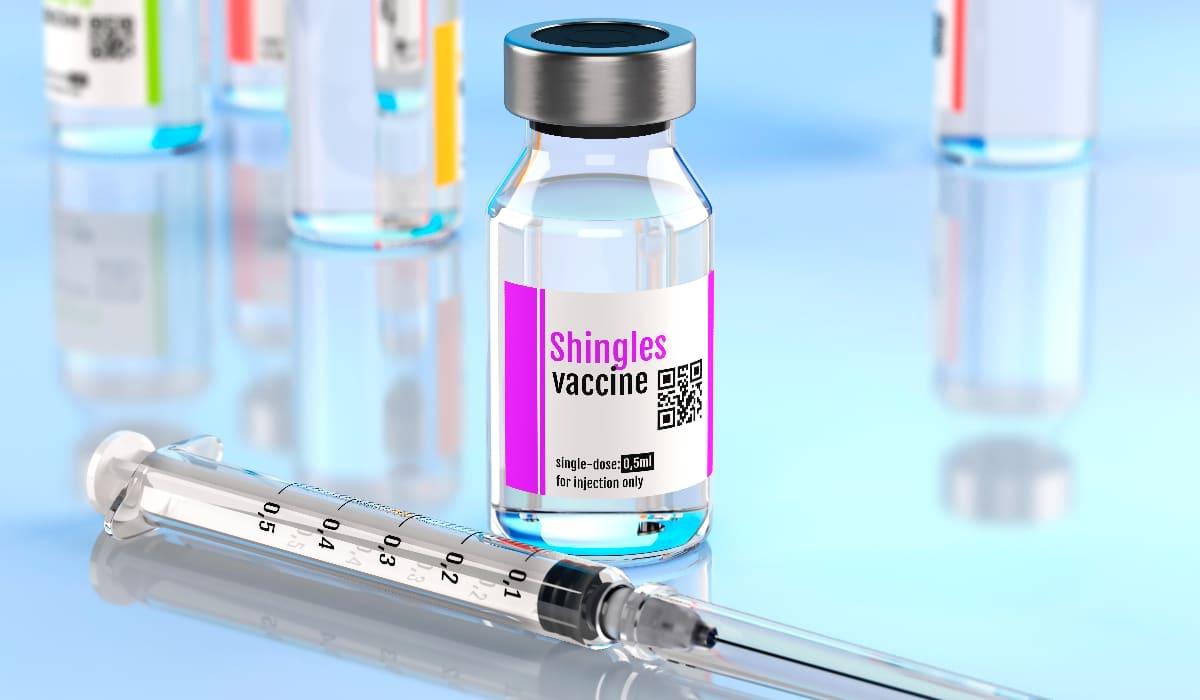
A Shingles vaccine is placed on the table.
Experts believe that the virus remains dormant in the nerve cell even after the person is cured of chicken pox. In people older or with an impaired immune system, the dormant virus activates later in life and causes shingles. Earlier studies have suggested that those who are injected with the shingles vaccine tend to be more cautious and opt for a healthier lifestyle. A healthy diet and exercise reduce the chances of dementia in old age. “All these associational studies suffer from the basic problem that people who go get vaccinated have different health behaviors than those who don’t,” Pascal Geldsetzer, assistant professor of medicine and senior author of the new study, said.
The study showed that the shingles vaccination either delayed or prevented dementia diagnosis. The vaccine also appeared to have reduced other cognitive impairment diagnoses and lowered the death rate among dementia-inflicted patients, as per the study. What made this breakthrough happen? It was an unusual way of giving out shingles vaccines in Wales. In September 2013, people who were 79 years old were told that they were eligible for the vaccine. Those below 79 were eligible for vaccination next year, but those above 79 would never be eligible. This pattern was designed considering the limited supply of the vaccine, but it ended up becoming a game-changer.
A doctor holding a vaccine.
When researchers examined those who turned 80 before September 1, 2013, and those who turned 80 after, they were able to isolate the effect of the vaccine. They looked at the medical records of more than 280,000 older adults aged between 71 to 88, and did not have dementia before the vaccination program. “What makes the study so powerful is that it’s essentially like a randomized trial with a control group — those a little bit too old to be eligible for the vaccine — and an intervention group — those just young enough to be eligible,” Geldsetzer said. After about seven years, the study showed that vaccine recipients not only had fewer cases of shingles (reduced by 37%) but were also 20% less likely to develop dementia.