
Scientists Tried Drilling into Antarctica's 'Doomsday Glacier' — but Things Took an Unexpected Turn
Published Feb. 3 2026, 9:35 a.m. ET

A hot water drilling rig placed by researchers to drill into Thwaites Glacier.
The melting of Thwaites Glacier, also known as the Doomsday Glacier, is a growing concern among scientists. Determined to postpone the inevitable destruction, researchers continue to study in hopes of discovering potential preventative measures. A recent attempt met an unfortunate and tragic end when the instruments got trapped within the thick ice. A team of researchers from the British Antarctic Survey (BAS) and the Korea Polar Research Institute (KOPRI) attempted to drill through an unexplored region of the glacier to understand the impact of warm ocean water below. The melting of the Doomsday Glacier is triggered by warm ocean underneath the giant ice walls, but scientists lack insight into the processes that take place below the surface.
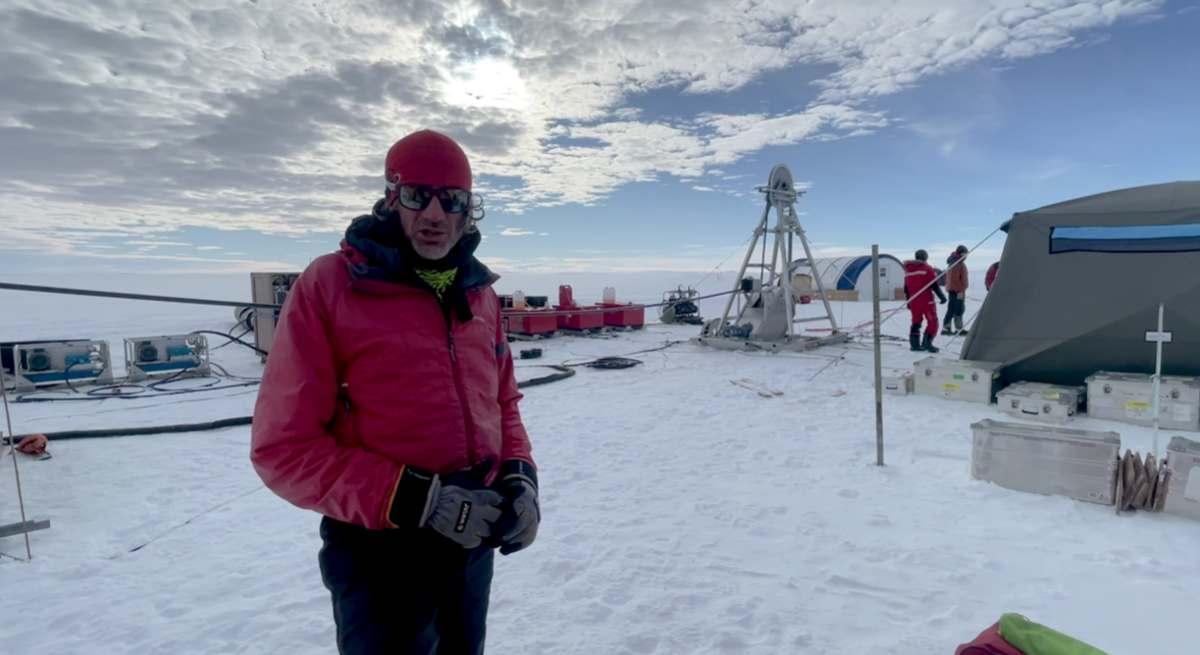
Researcher at the site of the Thwaites Glacier drilling experiment.
What happens underneath, especially below the ice shelf seaward of the fastest-flowing part of the glacier, is a mystery experts were eager to unravel. On Saturday, January 31, the researchers collected preliminary measurements by sending an instrument down a borehole and bringing it back up, as per The New York Times. In the next attempt, they pushed the threshold with nearly 3,900 feet of cable lowered through the borehole. The team had hoped that the cable containing a set of instruments could withstand a few years. However, their hopes were dashed when the instrument got stuck just three-quarters of the way through the ice. The project that took decades to build fumbled at the very last step, much to the disappointment of the researchers.
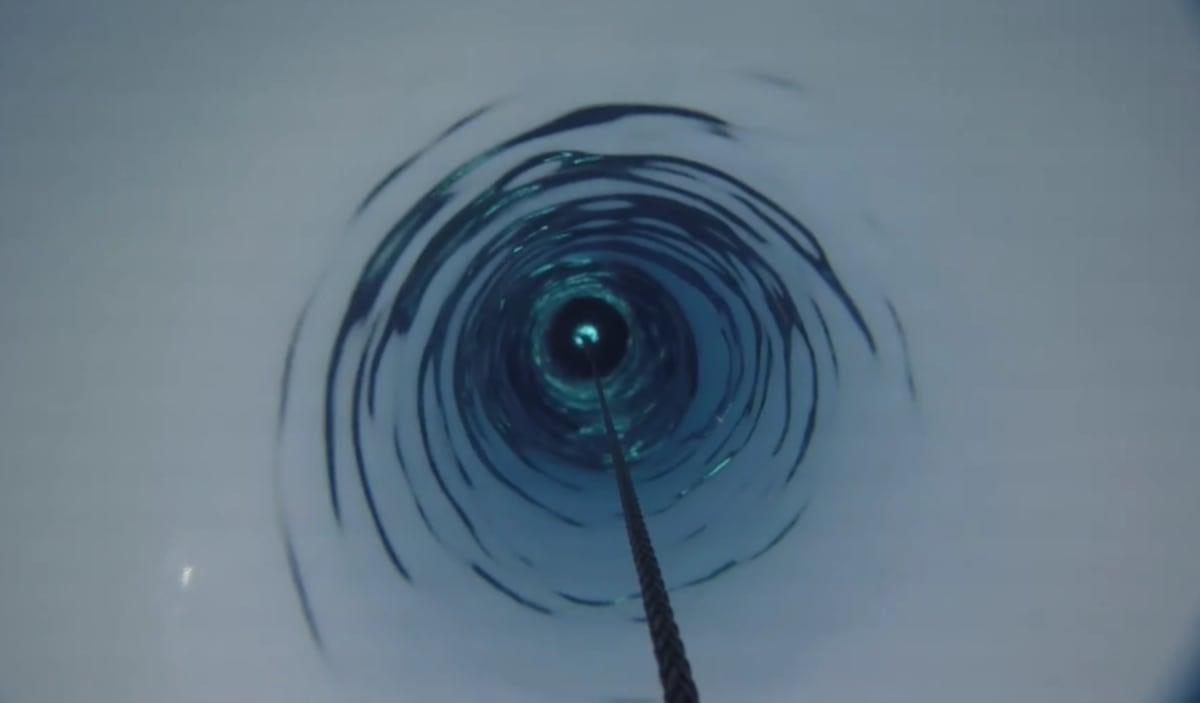
Close-up shot of an instrument drilling into Thwaites Glacier ice.
Keith Makinson, an oceanographer and drilling engineer at the British Antarctic Survey, found the unfortunate development “absolutely gutting.” “You get your window of opportunity. You don’t have forever. And you see what you can do," Makinson added. No matter how thick the glacial ice might be, it can't be impenetrable. Perhaps weather stressors, finicky equipment, or lack of research is what caused the mishap, drawbacks that can be overcome in the next attempt. That being said, the experiment was not a complete waste of time, money, and resources, as the team walked away with valuable new insights. The preliminary data collected from beneath the glacier’s fast-moving truck will prove crucial in future studies.
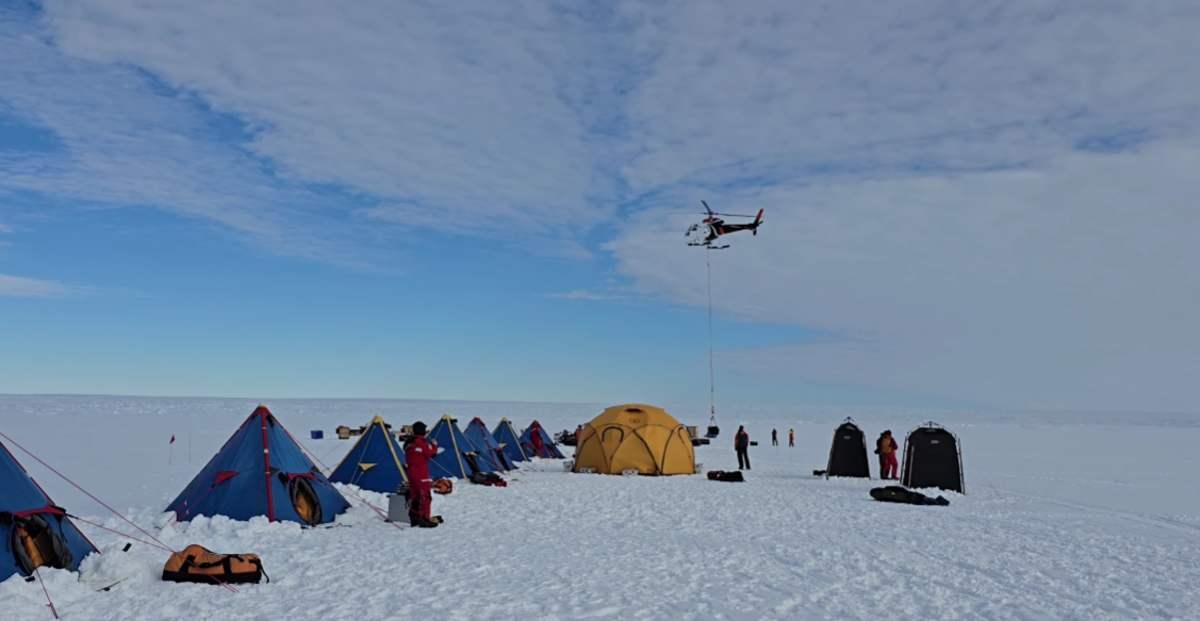
Tents lined up at the Thwaites Glacier drilling experiment site.
“This is not the end,” said Won Sang Lee, the expedition’s chief scientist. The data helped them realize that the site has potential to be explored and provide better insight into the massive glacier. “This is the place to go, whatever challenges there are,” he added. The technical glitches began a day before the team collected preliminary data when their drilling system started giving faulty readings. That same night, the hot-water drilling hose got stuck in the ice, and the team was unable to pull it out. “It’s been a fight every step of the way, this one,” said Peter Davis, an oceanographer. On Saturday at around 1:30 am, the team sent a camera down the hole after successfully freeing the hose. They believe that constantly moving the main trunk of the glacier might be why the hose got stuck in the first place.
Once they observed no obstructions in the tunnel, as seen through the camera's lens, they decided to drop down the equipment. When the camera smoothly reached its destination, the team decided to perform the final step of the experiment and install the mooring under Thwaites that they would leave there. But unfortunately, the equipment got stuck again.