
Scientists Open the World's Largest 'Doomsday Vault' — This is What’s Been Hiding Inside
Published Jan. 21 2026, 10:20 a.m. ET

Tourists visit Millennium Seed Bank, Sussex, England
It is not atypical for people to safeguard their precious valuables. These valuables could be gold, diamonds, or cash; however, in the Millennium Seed Bank (MSB), nothing of this sort has been stored. MSB is managed by the Royal Botanic Gardens, Kew, and is placed below the wild botanical gardens of Wakehurst in Sussex, U.K. This heavily guarded facility protects seeds. The aim is to ensure that as many plant species as possible can be sustained in the world. Experts believe that their sustenance is important for the future of humanity. MSB is not the only facility in the world that stores seeds; 'doomsday vaults' like the Svalbard Global Seed Vault also fulfill the same pursuit.
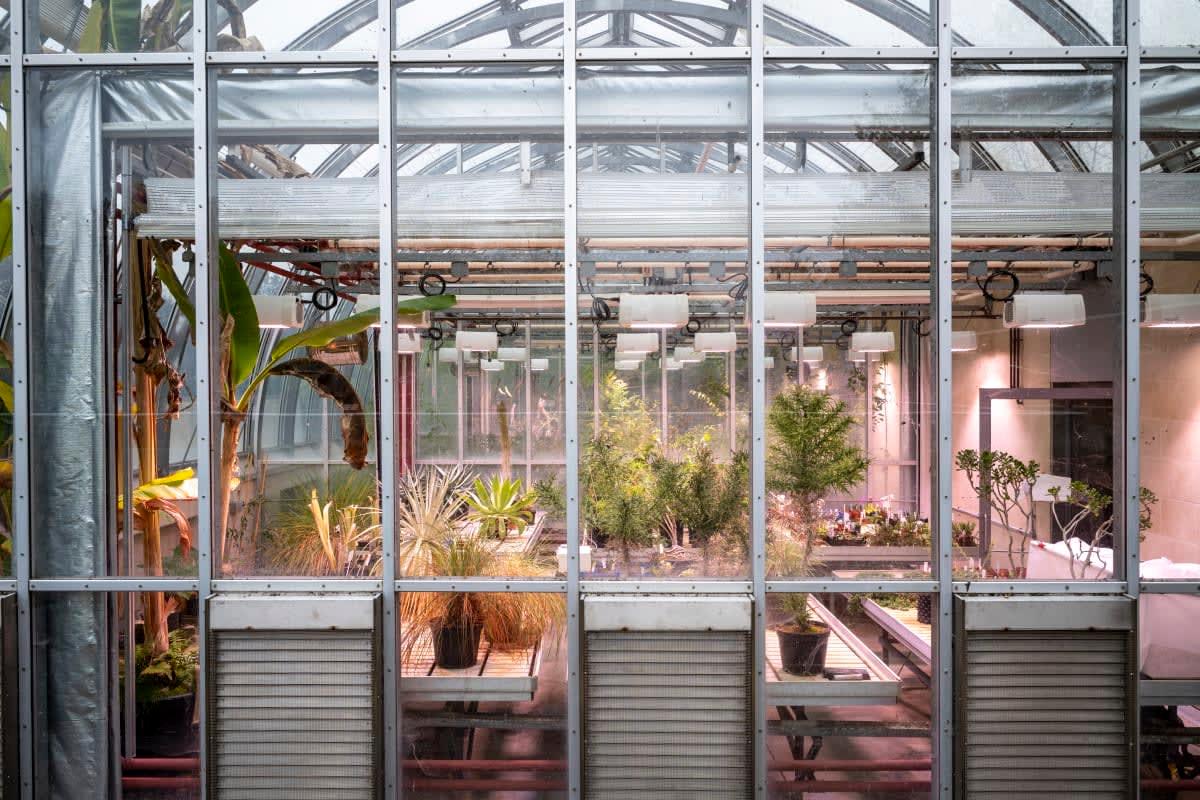
Millennium Seed Bank, Sussex, England, UK
Millennium Seed Bank has been operating for around 25 years, according to Kew. Scientists want to use the seed collections stored in the facility to fight against climate change and biodiversity loss all across the globe. At present, almost 2.5 billion seeds are present in the facility. These seeds belong to 40,000 distinct plant species. The seeds have been gathered from nearly a hundred countries and territories, with the help of more than 275 partners. These seeds have already been used in several important regeneration programs. The key to the survival of these seeds lies in the cold environment where they have been kept. However, certain seeds cannot survive in freezing temperatures. For them, the scientists are developing advanced cryopreservation techniques.
The collection includes a variety of seeds, ranging from massive ones like the three-inch-wide palm tree, Hyphaene thebaica, to microscopic Chinese orchid seeds, according to Science Focus. Some species are present in dozens, while certain amount to millions. Particular seeds have been stored with a 'quarantine' label, implying that they can't be present anywhere else in the country, apart from the facility. Certain seeds have labels claiming that they are hazardous because their ingredients might be irritants, maybe even poisonous. All of them are stashed in a sprawling facility that is equal to three tennis courts, at a chilling temperature of -4°F. Visitors can stay in the facility for just 10 minutes, not only for the safety of the seeds but also the individuals.
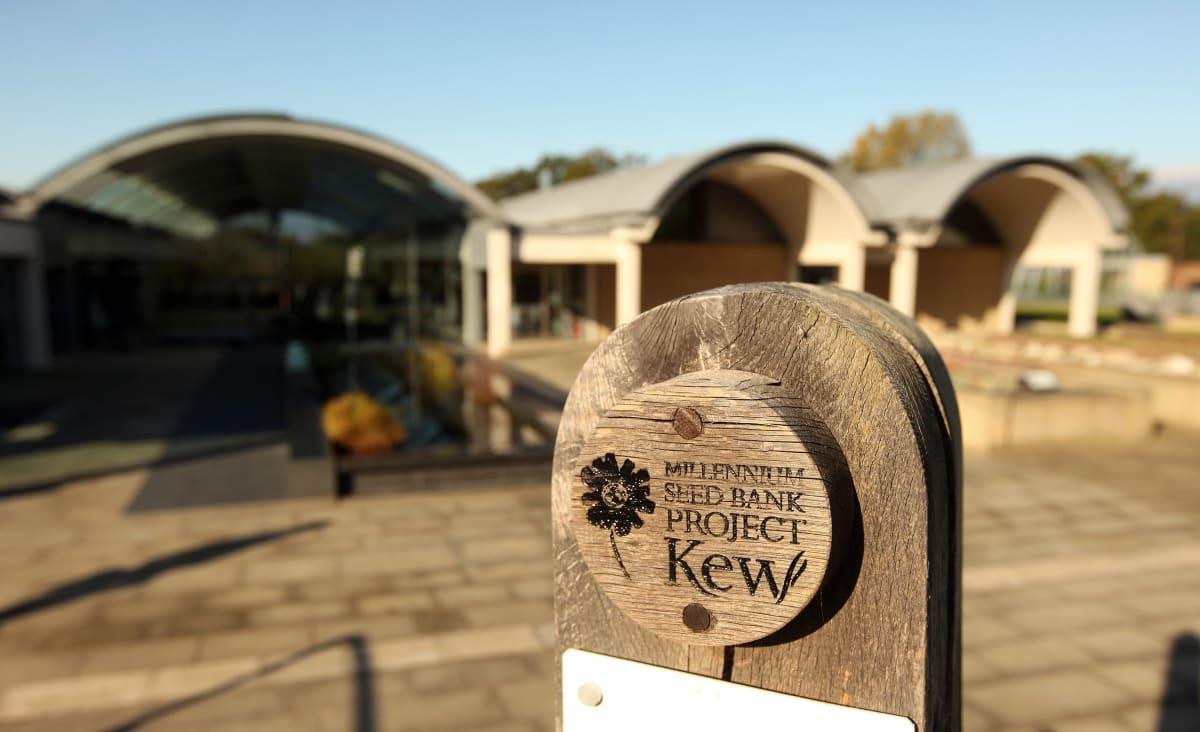
A general view of Kew's Millennium Seed Bank
Several seeds in the collection are now extinct in the world, while many have become critically endangered. The temperatures ensure that the seeds remain in a suspended state and do not rot. During times of need, they are put in conditions to restart their lifecycle. MSB now boasts the largest ex-situ collection of wild plant seeds. In the 2019-2020 season, fatal wildfires ravaged Australia. These wildfires destroyed several vulnerable seed species, especially in areas like Kangaroo Island. Though attempts were made to collect surviving specimens, the result wasn't encouraging.
MSB sent thousands of seeds it received from the South Australian Seed Conservation Centre 12 years ago. These seeds made way for the repopulation of species like Glycine latrobeana, which was already listed as 'vulnerable.' “It would have been devastating to have lost them in the fires if we hadn’t collected them,” shared Dr. Aisyah Faruk, the seed bank’s conservation partnership coordinator for Oceania and Europe.
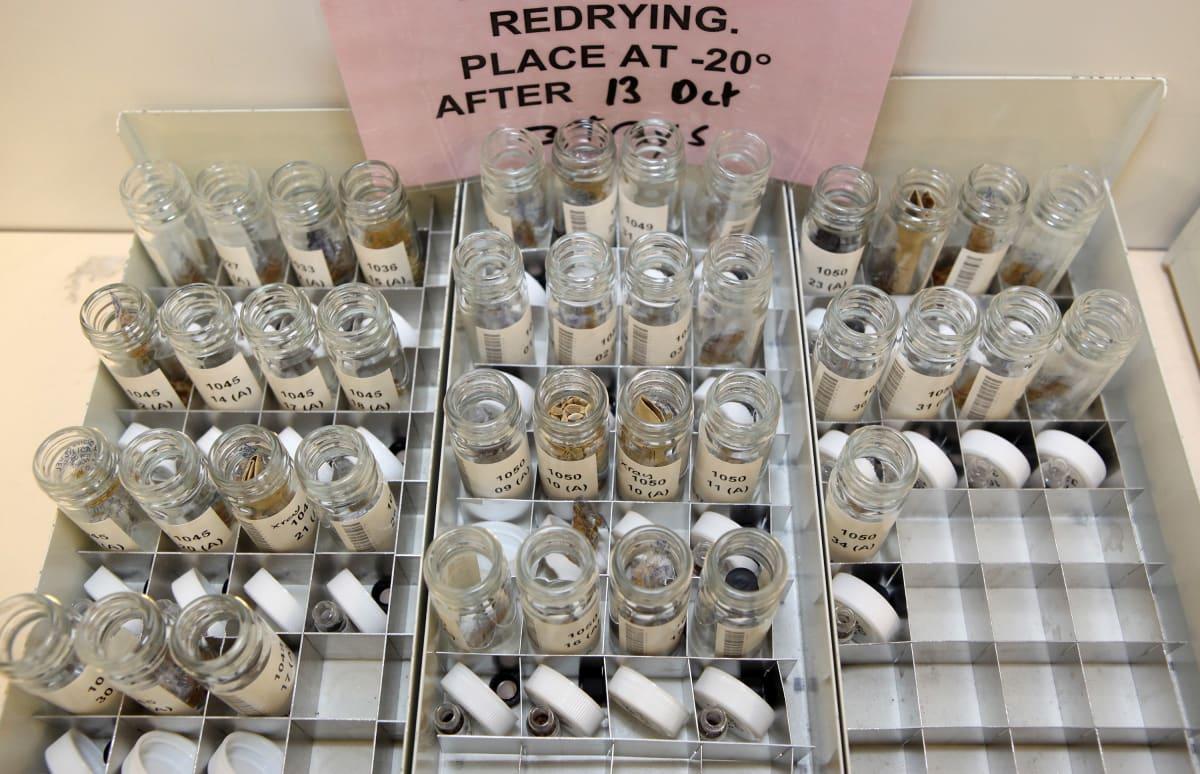
Catalogued seeds await storage at Kew's Millennium Seed Bank
The idea behind such 'doomsday vaults' was to ensure that during critical emergencies, these seeds would survive in the future. But now it is difficult to figure out which situations require a withdrawal. The current state of affairs is slowly pushing most places in the world to the brink of destruction. “Mini crises are happening all the time,” shared Charlotte Lusty, head of seed collections at the Millennium Seed Bank. “Even more importantly, we’re losing diversity before our eyes – we’re losing trees and flowers without really noticing. We’re seeing rapid destruction, fire and flooding, and there’s also this gradual decline.” Hence, it might not be one singular catastrophic event that ruins it all, but rather multiple occasions.
Such a state of affairs increases the importance of such facilities. The facility is built in such a manner that it can sustain natural disasters as well as nuclear wars. However, in 2017, warming permafrost went through its defenses. Fortunately, no seeds were damaged.