
New Study Finds a Way to Reverse Alzheimer’s and Restore Neurological Function in Mice
Published Dec. 25 2025, 8:17 a.m. ET

Microscopic view of a neural network Brain cells.
Alzheimer’s is an incurable disease that reshapes lives long before taking them. It's a painful condition that medical practitioners have been attempting to find a cure for over a century. New research, published in Cell Reports Medicine, has provided a glimmer of hope with its findings. The research team from University Hospitals, Case Western Reserve University, and the Louis Stokes Cleveland VA Medical Center tried to determine if a person afflicted with severe Alzheimer's disease could recover. The research, led by Kalyani Chaubey, PhD, from the Pieper Laboratory, used diverse preclinical mouse models and determined that the level of the NAD+ molecule is essential for brain function. Maintaining or restoring the level of the brain molecule could help restore the balance, potentially preventing or reversing the disease.
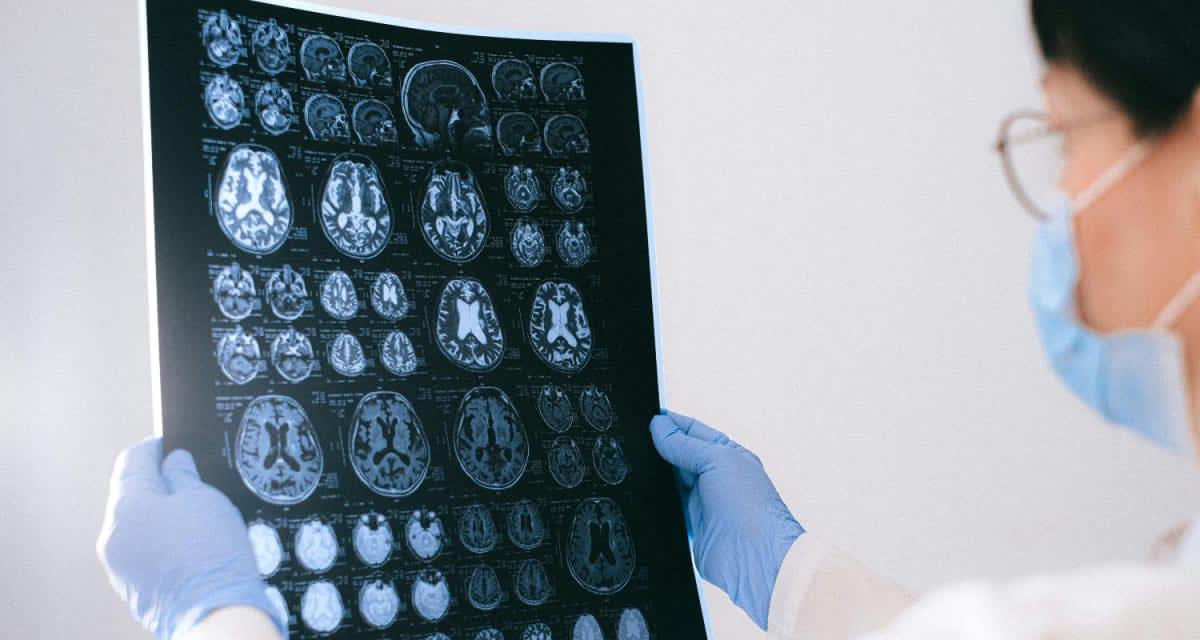
A doctor holding an MRI result of the brain.
The NAD+ molecule declines in an individual with age. Due to the lack of molecular balance in the brain, people struggle to perform brain functions like critical thinking. The research team found that people with AD have reduced levels of NAD+ molecules, much lower than the levels reduced naturally through aging. Although Alzheimer's is a uniquely human disease, scientists study it in the lab using mice genetically engineered to carry human mutations associated with AD in humans. Two different genetically engineered mice were used in the recent study led by Chaubey. One group of mice carried human genetic mutations that affect how amyloid is processed in the brain. The other line of mice carried gene mutations in the tau protein.
Network of glowing nerve cells in human brain
Both amyloid and tau proteins are some of the earliest and most important features of AD. The research team found that both groups of genetically engineered mice developed brain pathology resembling that of people with Alzheimer's. The common patterns included deteriorating blood-brain barrier, axonal degeneration or nerve fibre damage, neuroinflammation, impaired neurogenesis in the hippocampus region, reduced communication between brain cells, and more. The researchers also observed cognitive impairment in the mice, similar to what is seen in people with severe Alzheimer's. The study was conducted to see if restoration or preservation of the NAD+ molecule can have any impact on the brain pathology resembling that of an AD patient.
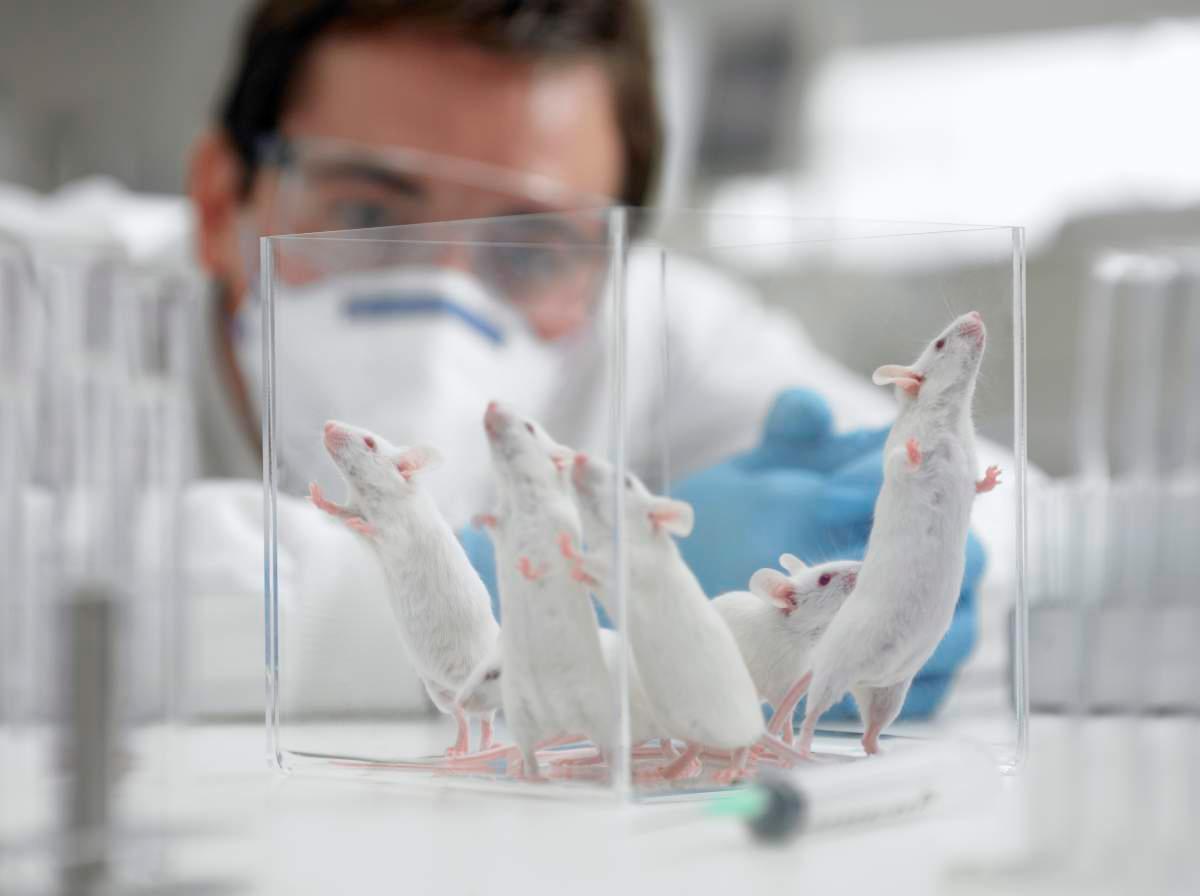
A scientist observing the behavior of mice in a lab.
The research team noticed a difference after NAD+ balance was restored by administering a now well-characterized pharmacologic agent known as P7C3-A20. They were surprised to note that the molecular balance didn't just prevent mice from developing AD but also delayed treatment in the ones who were afflicted with the disease. More surprisingly, both lines of mice were able to fully recover their cognitive functions. “We were very excited and encouraged by our results,” said Andrew A. Pieper, MD, PhD, senior author of the study and Director of the Brain Health Medicines Center, Harrington Discovery Institute. "Seeing this effect in two very different animal models, each driven by different genetic causes, strengthens the idea that restoring the brain’s NAD+ balance might help patients recover from Alzheimer’s," he added.
The finding has encouraged the scope of testing the theory in real AD patients, but not before overcoming certain challenges. “This new therapeutic approach to recovery needs to be moved into carefully designed human clinical trials to determine whether the efficacy seen in animal models translates to human patients,” Dr. Pieper added.