
Rural Americans Willing to Pay $49 Monthly to Drink Recycled Toilet Water as Water Crisis Grows
Published Feb. 26 2026, 8:55 a.m. ET

Potential for water reuse.
The scarcity of clean drinking water is real, so real that Americans are even willing to drink recycled toilet water and pay for it. In a study published in the Water Resources Research journal, a survey was conducted in small communities with fewer than 10,000 residents, and people said they are willing to pay about $49 a month for recycled water. Yes, it is a possibility that the water in our toilets could be used as drinking water. However, it is only available after it goes through an intense purification process. In fact, the filtration makes the water so clean that treatment plants actually have to add minerals back in, so it does not strip essential nutrients from the body.
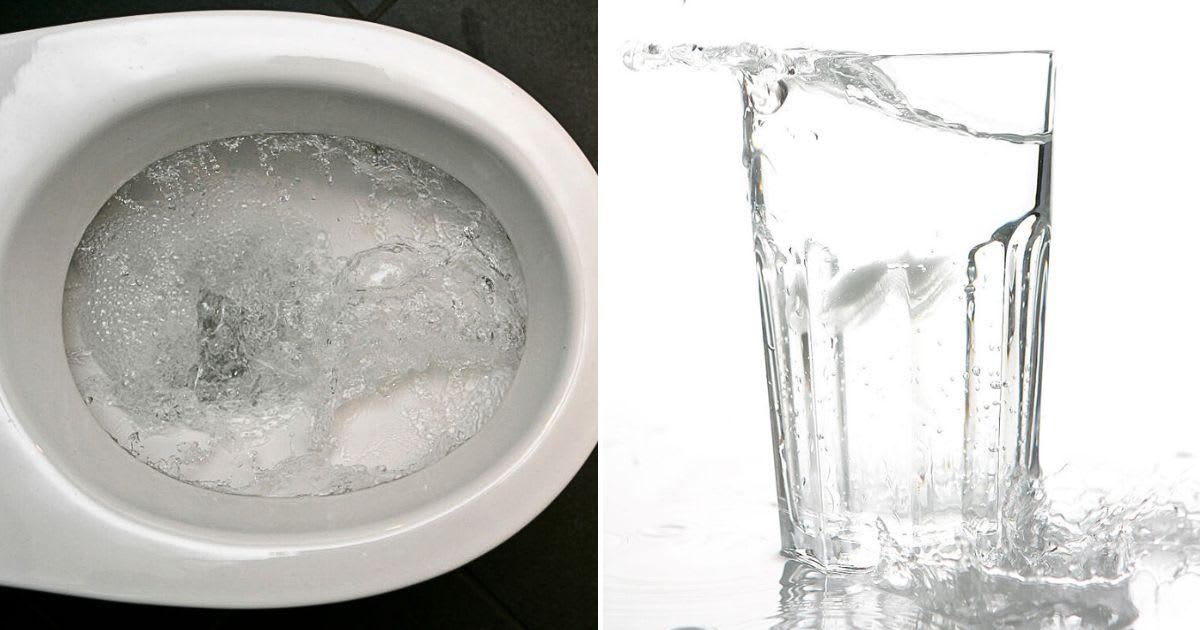
Toilet water (left), drinking glass of water (right)
“I do think it is a bipartisan issue. It’s often just cheaper than some of the other available solutions,” study’s co-author and an economist at the University of Rhode Island, Todd Guilfoos, said, per The Grist. You must be wondering about the filtration process. The recycling starts by filtering out solid waste and then pushing the water through reverse osmosis. Finally, the water is disinfected by using ultraviolet light. According to a report, the process is so effective that Nevada already reuses about 85% of its water. Many cities have already been using the same method with sewage water before releasing it into the ocean. However, this system takes things a step further by making the water clean enough to safely drink.
The biggest issue with this technology is cost. It requires a huge investment to build wastewater treatment facilities, and even if $49 a month may cover day-to-day operations, it won't cover the cost of actually building one, according to Guilfoos. This means that smaller towns will have to rely on state or federal funding to get these projects off the ground. Ironically, it is the same communities with farming regions that will benefit the most from this project. Since those areas have fewer options during water shortages caused by climate change, overuse of underground water, etc., this process will be extremely helpful in those areas.
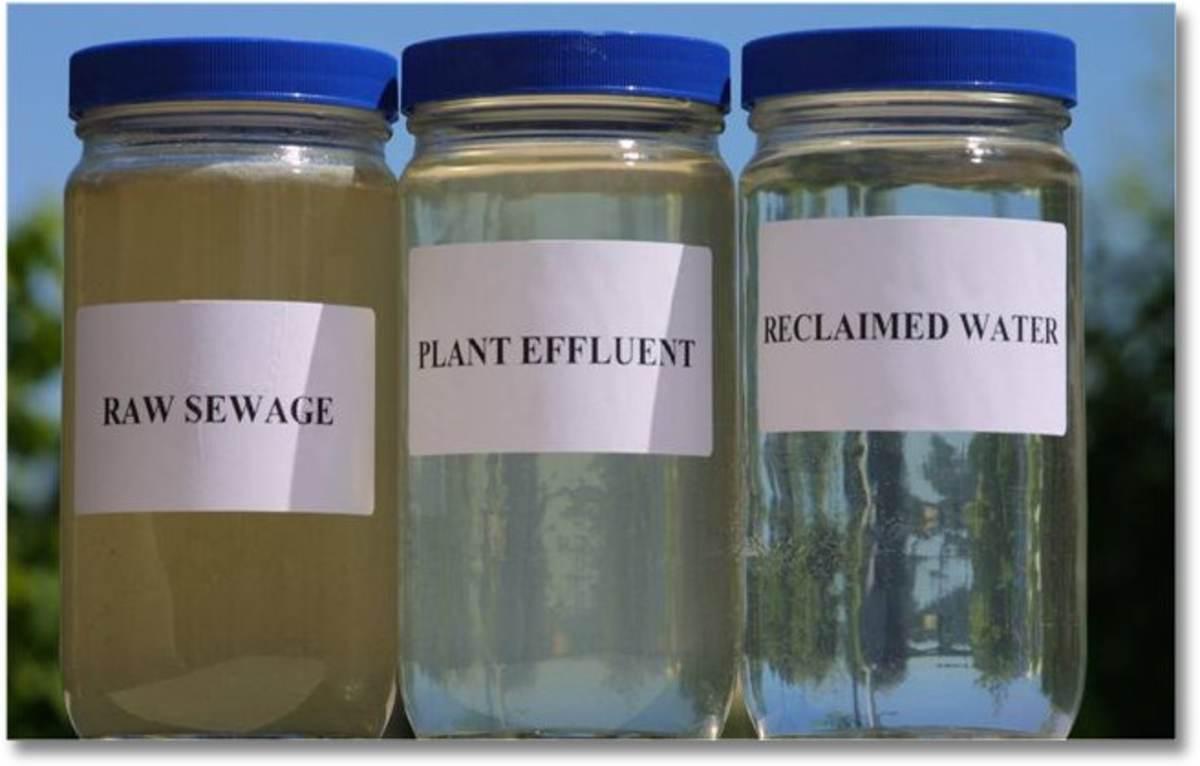
Glasses containing raw sewage, plant effluent filtered, and recycled water
There are still plenty of logistical and financial hurdles to overcome before making this process a reality. Using recycled wastewater does seem to be gaining wider acceptance among Americans. However, the idea does trigger a sense of discomfort for many people, and experts say it is a normal reaction. “There’s a visceral reaction to drinking reused water, particularly reused wastewater, that’s totally understandable,” Michael Kiparsky, director of the Wheeler Water Institute at UC Berkeley, said.
However, attitudes appear to be shifting as water shortages become more common and the science behind purification is making more sense to ordinary people. As time passes by, Kiparsky explained that public resistance has slowly faded. Water reuse is now seen less as a desperate last resort and more as a practical way to expand drinking water supplies. “But over time, that has faded as the notion of reusing water to augment water supplies, including for drinking water, has become increasingly legitimized,” he said. As many communities are facing crises over drinking water and increasing drought risks, recycled water is a far more realistic solution for the future.