
Report Finds Dangerous Lead Levels in Popular Protein Powders — and Plant-Based Ones Contain the Most
Published Nov. 12 2025, 5:32 a.m. ET

A man mixing protein powder.
In today’s era, protein powders have become one of the most used health and fitness supplements across the world. From gym enthusiasts and athletes to people who just try to eat healthier, they use them as a quick way to increase their protein intake. This growing demand has resulted in countless brands coming up with different flavors of protein powders. However, a recent investigation that tested more than 20 protein powder brands and a few ready-to-drink shakes has revealed an alarming detail. It was found that over two-thirds of the tested products contained lead levels that are considered higher than what experts deem safe for one serving.
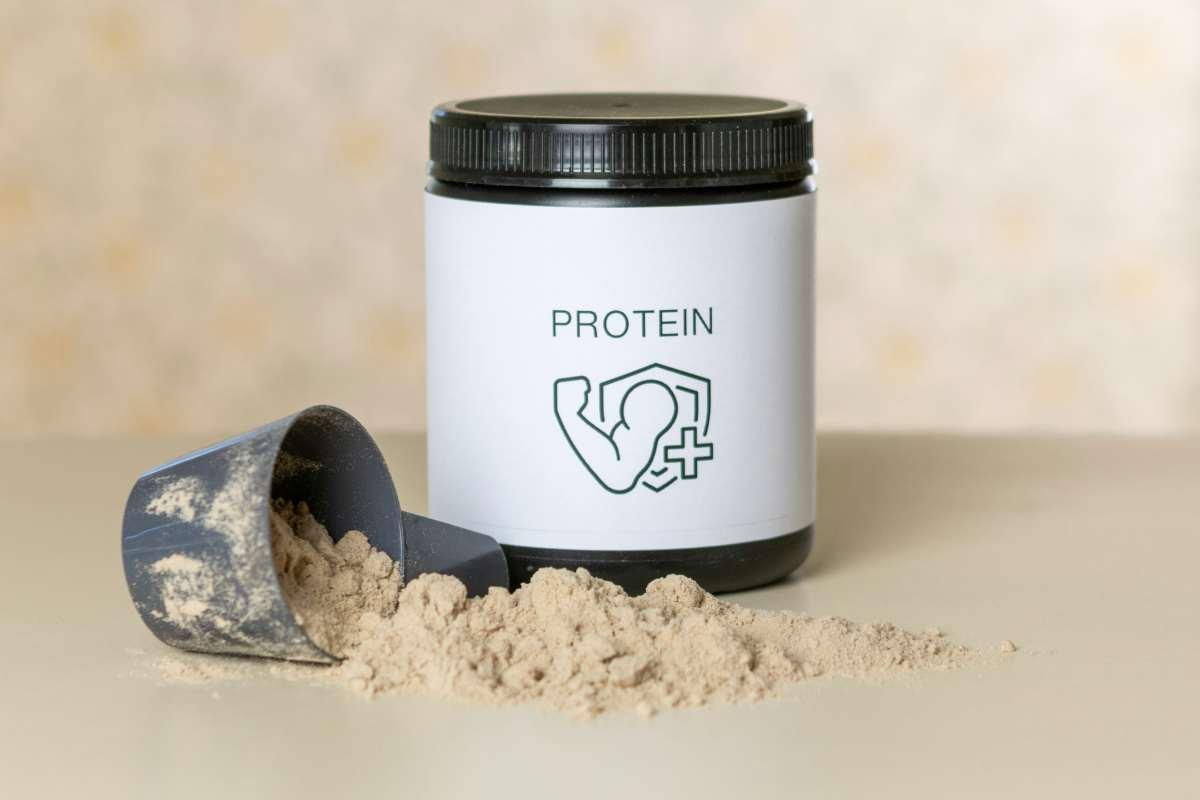
A tub of protein powder and a scooping spoon.
It was revealed that plant-based protein powders contained significantly more lead content than those made from animal sources—roughly nine times higher than whey. This is because plants often absorb both minerals and pollutants from the soil and water they grow in. Additionally, much of the lead content comes from contamination in farmlands where crops such as peas and rice are grown. To be more specific, two products, Naked Nutrition's Vegan Mass Gainer and Huel’s Black Edition, recorded the highest lead levels, with experts labelling them as the ones to completely avoid consuming, according to Consumer Reports.
A fitness enthusiast holding a bottle of protein shake.
On the other hand, while animal-based protein powders also contain lead, they tend to have lower levels as animals naturally filter out some contaminants when they digest the plants. This means that fewer harmful substances make it into cows’ milk, which is later used to produce whey protein. This is not it; studies further suggest that chocolate-flavored protein powders often contain more heavy metals due to the use of cocoa powder (cocoa itself naturally carries these elements). When used for flavoring, it increases the total metal content.
For those who are unaware of this, lead is an extremely harmful heavy metal linked to several serious health issues, like developmental issues, cancer, and even heart disease, according to Muscle and Fitness. It’s definitely not something anyone should be consuming regularly, as even a small amount can be harmful over time. However, despite the findings of the recent investigation, several companies have pushed back against the concerns, claiming that their products are thoroughly tested for the safety of their consumers. For example, Huel has stated that its protein powders fully comply with global safety standards and are very safe for consumption.

A woman mixes protein powder in a tumbler.
Pieter Cohen, an expert from the Harvard Medical School, spoke of the findings and said, “Quite disappointed to see the results.” Meanwhile, it was suggested that reducing exposure to protein powders is the only way to minimize long-term buildup, as lead remains stored in the body, especially in bones, for long durations. The recent investigation also looked for other harmful metals, such as cadmium and inorganic arsenic, which appeared in a few samples. So, if protein powder is a part of your daily routine, choose brands that are transparent about their ingredient sources and share independent lab test results. It’s also smart to never overdo it.