
Only a Handful of Companies Are Fueling the Climate Crisis — and the List Is Shorter Than You Think
Published Jan. 23 2026, 8:06 a.m. ET

Crowd protesting against climate policy.
The world needs energy, lots of it. The more the human population rises, the more energy it will need. Today, the equation of energy needs, availability, and production is no longer hanging on an equal sign but on an inequality symbol. The population has shot up dramatically, and the world is bursting at the seams. Companies are milking out every resource available for energy, to the point that the world today is sputtering a whopping 38.1 billion metric tons of carbon dioxide emissions from fossil fuel combustion into the atmosphere, per Mongabay.
Interestingly, it's not the entire population but a concentrated group of fossil fuel corporations that is dominating the emissions. Carbon Majors recently rolled out their 2024 emissions data report on InfluenceMap, documenting how this small chunk of the industry is invisibly sabotaging climate action.
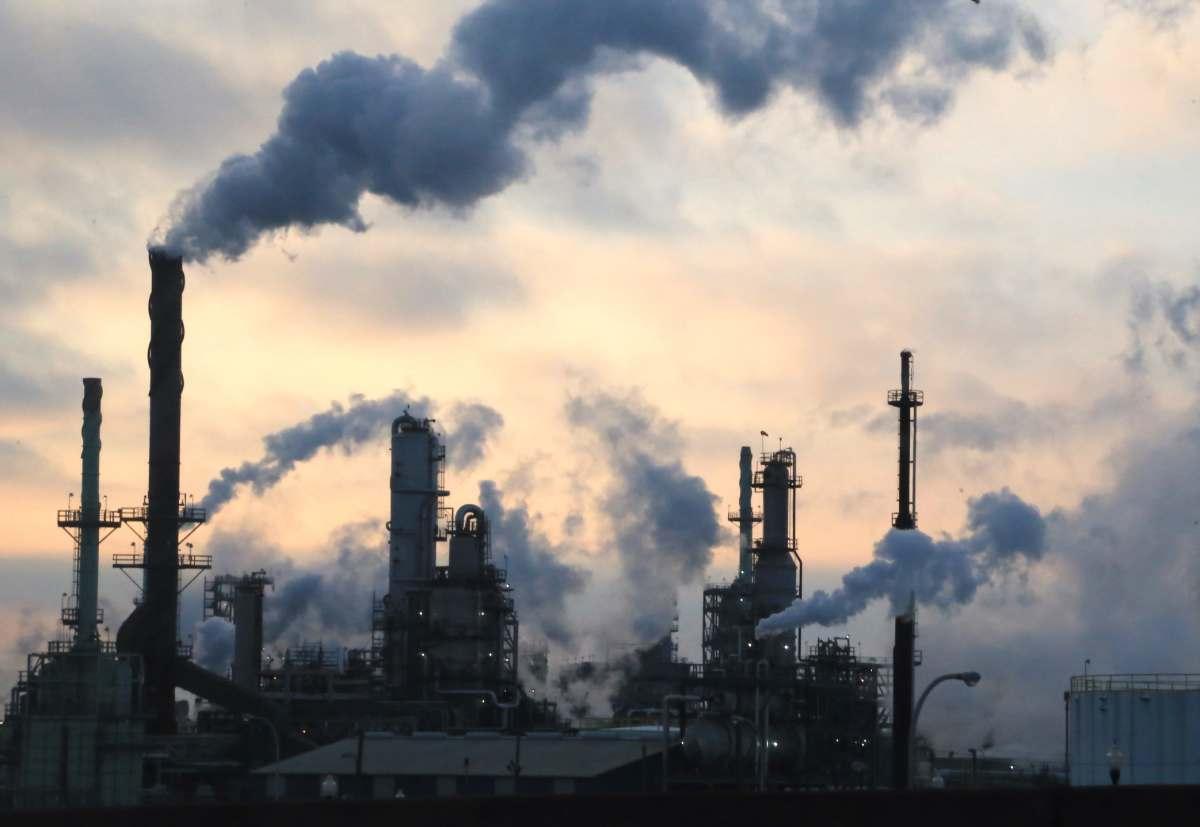
Smoke billowing from fossil fuel factories showing human-caused climate change
In 2018, Amin Nasser, CEO of Saudi Aramco, stood inside a Dubai resort, addressing a group of industry leaders, per Scientific American (SA). In response to soaring consumer demand, he announced he would pour $100 billion into petrochemical production, betting on plastic for profit. Today, the world is littered with billions of plastic items, just the production of which leeches the vitality of the environment and taints it with toxicity. Drills are blasted to penetrate the unreachable depths of land and pull out gallons of oil, which is then heated to whip up streams of virgin plastics.
As chemicals churn and boil in the crackling factory furnaces, the chimneys cough up billows of smoke that spiral through the atmosphere, polluting it with an irreversible poison that accumulates on the planet in mountains of waste, seeping into everything from clothing to blood, brain, food, and even breast milk.
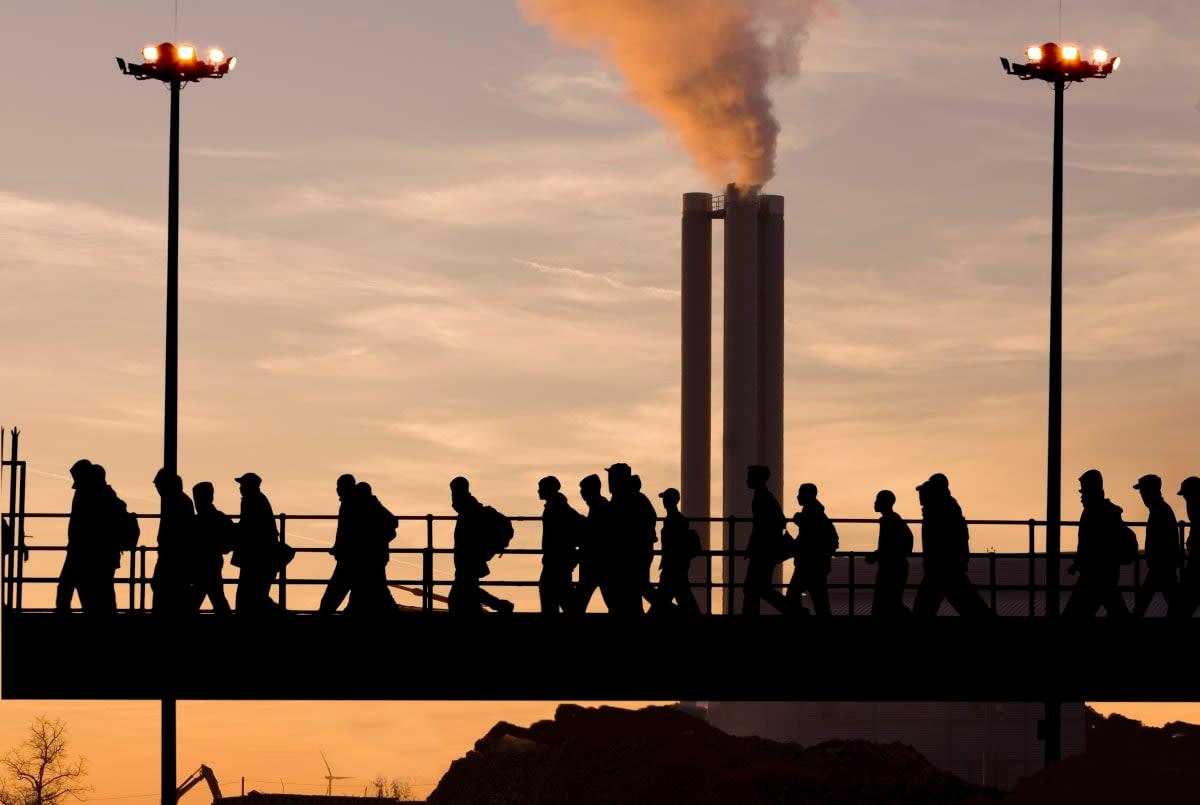
People walk by as thick smoke emanates from industrial chimneys.
Aramco is just one of them. The destructive linchpin of this pollution is controlled by a tiny group of state-based companies. From a database of 178 of the world’s largest fossil fuel companies, only 32 firms were found to be responsible for more than half of the global carbon emissions in 2024. Approximately 34.7 gigatons of greenhouse gases rippled out from the factories in 2024, and the total emissions increased by 0.8% from 2023.
The report isn’t all negative. In 2023, 36 companies were reported as the top culprits behind emissions. This suggests that some corporations are actively working on adhering to their promise of fighting climate change. But the 0.8% uptick between 2023 and 2024 indicates that the situation isn’t improving. Aramco alone is to blame for 4.3% of global emissions in 2024. Other top polluters are Coal India, China’s CHN Energy, National Iranian Oil Company, and Russia’s Gazprom. China especially pumps up the largest quantity of oil, contributing to nearly a third of the total emissions, while Saudi Aramco remains the biggest state-controlled polluter and ExxonMobil the largest investor-owned polluter.
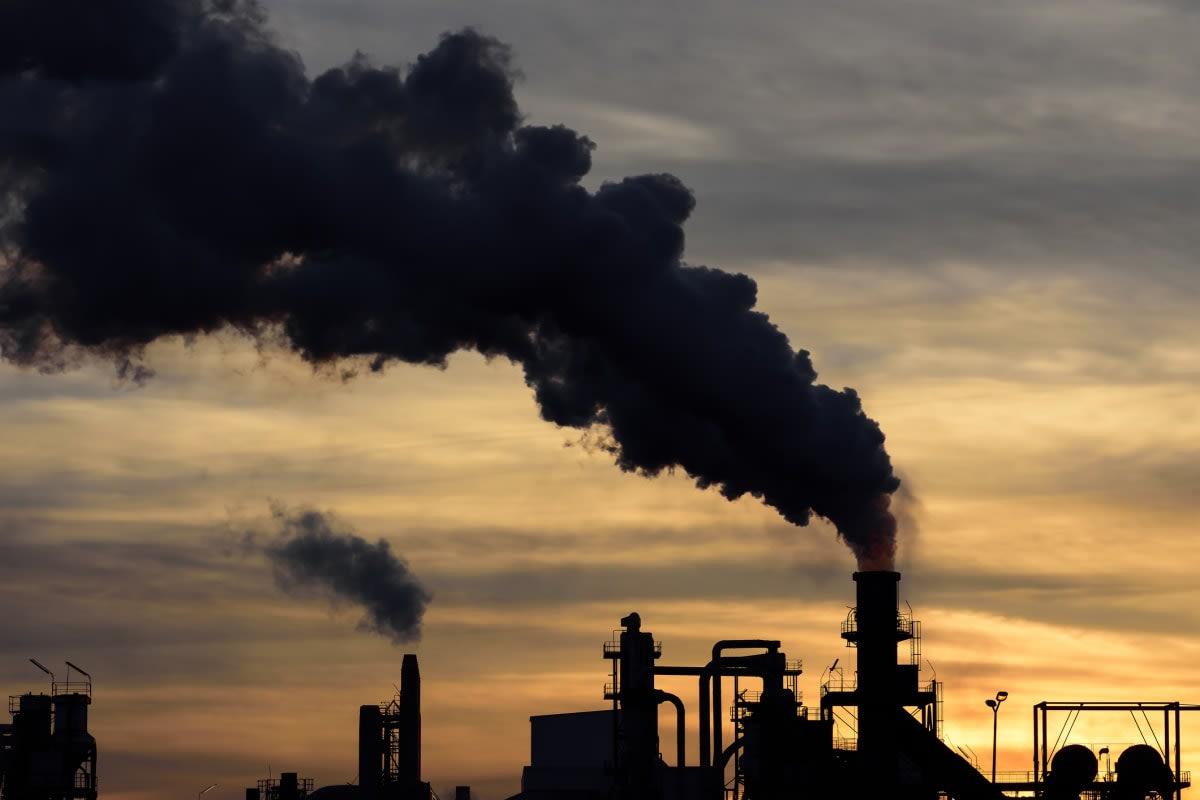
A cloud of black smoke billowing from the chimneys of a fossil fuel planet with a backdrop of polluted sunset sky
These companies, The Guardian described, are on the “wrong side of history.” The state-controlled companies, especially, are contributing to 54% of the global emissions. As they fail to adhere to the Paris Agreement, the companies make the future look bleak and enshrouded in thick black smoke. The agreement stated that the emissions would have to fall by 45% by 2030, a target that now seems unlikely.
The numbers have left many experts dismayed and frustrated. Emmett Connaire, who led the report, reflected the grim contrast of global emissions. "Each year, global emissions become increasingly concentrated among a shrinking group of high-emitting producers, while overall production continues to grow," Connaire said. This data is a cautionary warning that is prodding these top producers to hold accountability and fight the climate crisis.