
Americans Use 62+ Hours a Year Doing Laundry — and it’s Causing Millions of Tons of Carbon Emissions
Updated Jan. 19 2026, 7:54 a.m. ET

Women stand inside a laundromat.
Laundry is an essential part of everyday chores, especially in American households. According to a data report from the American Time Use Survey (ATUS), Americans spend about 10 minutes a day doing laundry, more than an hour a week, and over 62 hours a year. It means Americans devote nearly three full days a year to sorting, washing, drying, and folding clothes. Not just that, doing laundry also leaves an impact on the environment, and people might be unknowingly contributing to the depletion of energy. The data also reveals who spends the most time on laundry, how habits change by age and gender, and the impact on daily life.
Although it seems like a small chore, laundry surprisingly uses a huge amount of water, energy, and money. Valuable natural resources are being used every time someone washes clothes. A study by the National Park Service (NPS) reveals that a single household uses about 41 gallons of water for just one load of laundry, and that is just on average. Older washers use up to 45 gallons of water per cycle. However, new machines with efficient and advanced technology use between 14 and 25 gallons per load. The difference looks small, but when it is compared to many households that do close to 400 loads a year, it adds up to a huge amount.
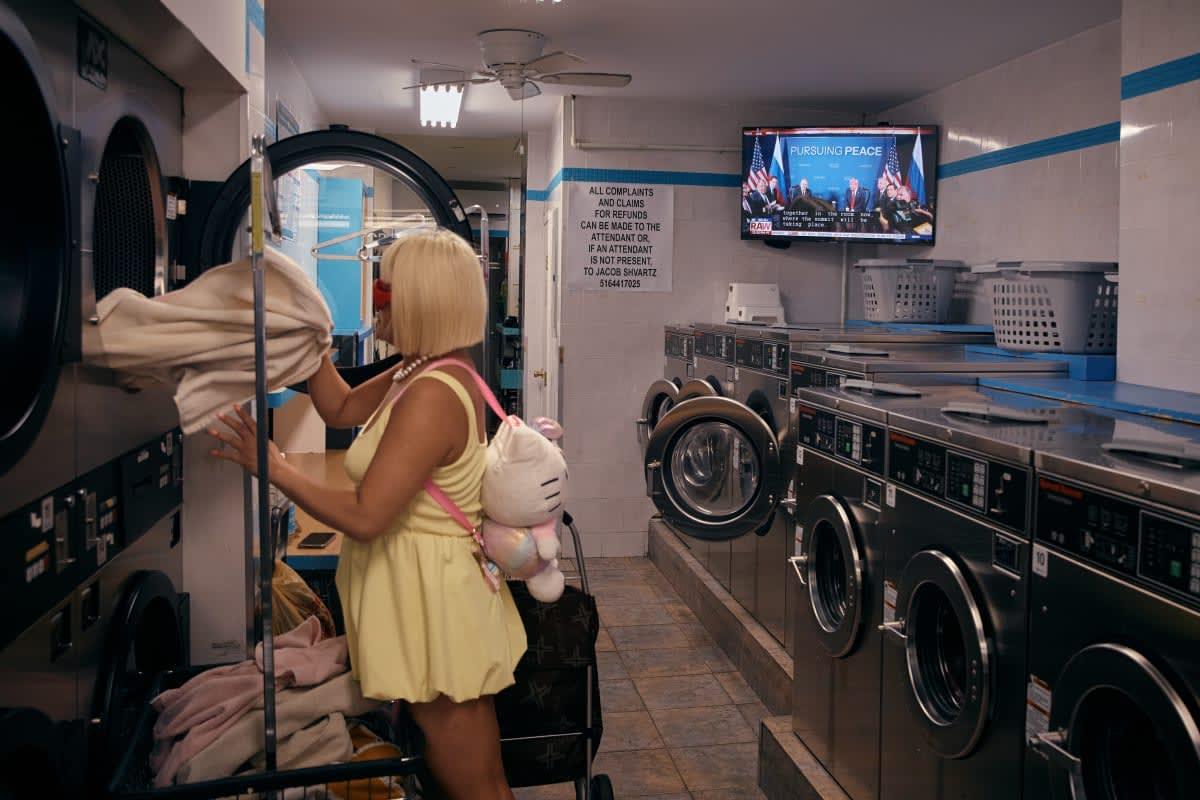
A woman picks up her clothes inside a laundromat
Moreover, laundry impacts energy use, according to the American Cleaning Institute. For heating the water, washing machines use a lot of water. In fact, about 90% of the washer’s energy is spent just making the water hot. Clothes dryers add to the problem as well, making up around 6% of a typical home’s total energy use. When clothes are washed in hot water and then dried, each cycle releases about 7 pounds of carbon dioxide. Over time, this adds up to 179 million metric tons of carbon emissions every year across the United States.
The cost of doing laundry cannot be overlooked as well, and it can add up quickly. Procter & Gamble (P&G) has estimated that detergent alone can cost up to $600 a year. Nevertheless, there are a few ways through which people can reduce the energy waste and cost of doing a simple task. Instead of using the older machines, switching to energy-efficient appliances can lower energy bills, reduce pollution, and save money over time. Making minor changes every day will not just help households save money, but it will also be beneficial to the environment.
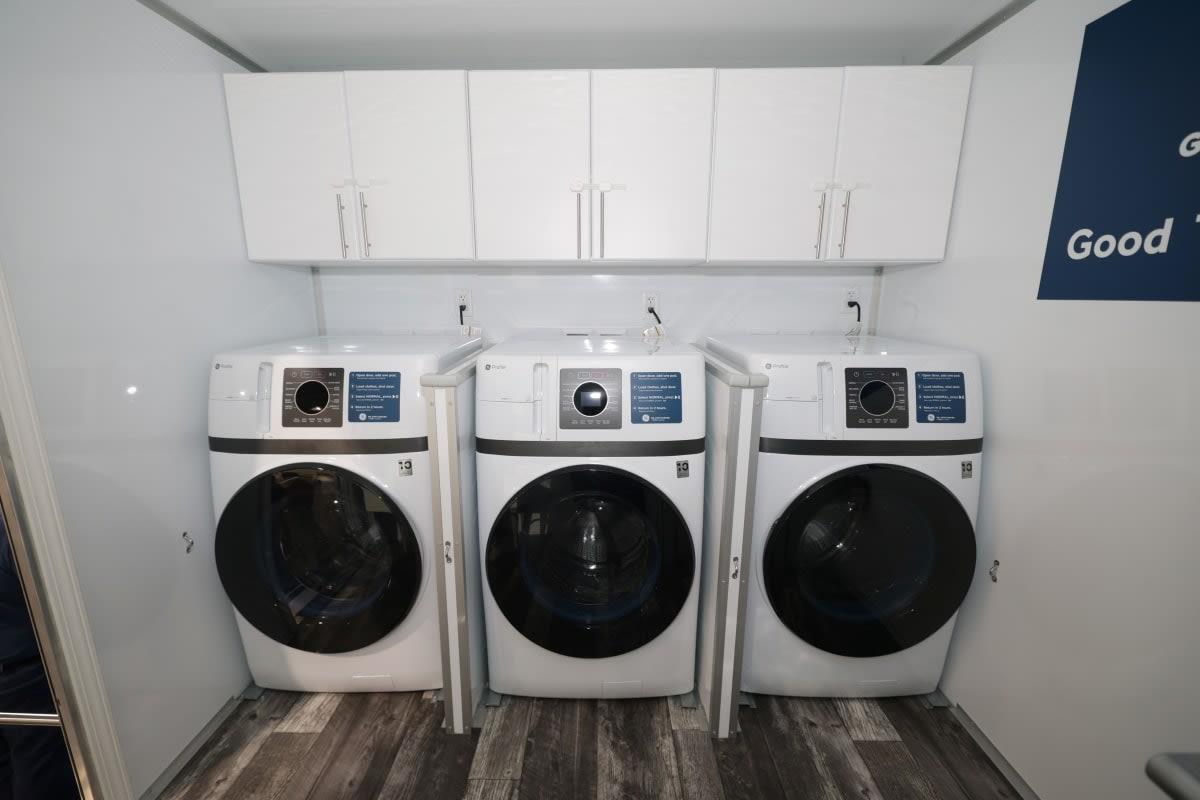
Washing Machines
The ATUS data also reveals the difference in laundry habits between women and men. Women spend over 87 hours doing laundry on average, and men spend just over 29 hours. Unemployed individuals also tend to do laundry more than others, which shows that work status also affects daily household routines. On average, each household washes around 400 loads of laundry each year. Each load also takes 26 minutes of hands-on time to sort, load, and fold the clothes.
Laundry also puts significant pressure on the power grid. The chore is usually done during peak energy hours, which is about 23%, and the energy demand is already high at that time. Laundry alone accounts for roughly 1.6% of total household electricity use, adding to the strain on energy systems when they are most extended. However, making slight changes can make laundry less impactful on the environment. Investing in better equipment and scheduling to do the activity in off-peak hours can all help cut down waste and cost.