
NASA's Crew-11 Mission Takes an Unprecedented Turn — Why 4 Astronauts Are Headed Home Early
Published Jan. 9 2026, 8:42 a.m. ET

(R-L) JAXA (Japan Aerospace Exploration Agency) astronaut Kimiya Yui, NASA astronauts Zena Cardman and Mike Fincke, and Roscosmos cosmonaut Oleg Platonov as part of the Crew-11 mission
At 11:43 a.m. ET on August 1, 2025, SpaceX’s white, conical Dragon spacecraft atop a Falcon 9 rocket lifted off from the grassy grounds of NASA’s Kennedy Space Center, leaving billowing trails of white smoke and shrouding the blue sky with smoky clouds. Donning their puffy white flight suits, the Crew-11 astronauts waved goodbye and flew to the International Space Station (ISS), where they would do a spacewalk, install routing cables for a future solar array, do some power upgrade work, and assess a Moon landing scenario near the lunar South Pole. The astronauts were supposed to spend six months in space. Their families were expecting them to return home in February. But only two days ago, the mission encountered a plot twist. In a January 8 announcement, NASA reported that the Crew-11 astronauts will now return sooner, probably in the “coming days.” The reason is a sudden medical issue that has struck one of the astronauts.
The announcement read, "As an update to our earlier communication regarding a medical situation aboard the International Space Station, the matter involved a single crew member who is stable. Safely conducting our missions is our highest priority, and we are actively evaluating all options, including the possibility of an earlier end to Crew-11’s mission. These are the situations NASA and our partners train for and prepare to execute safely."
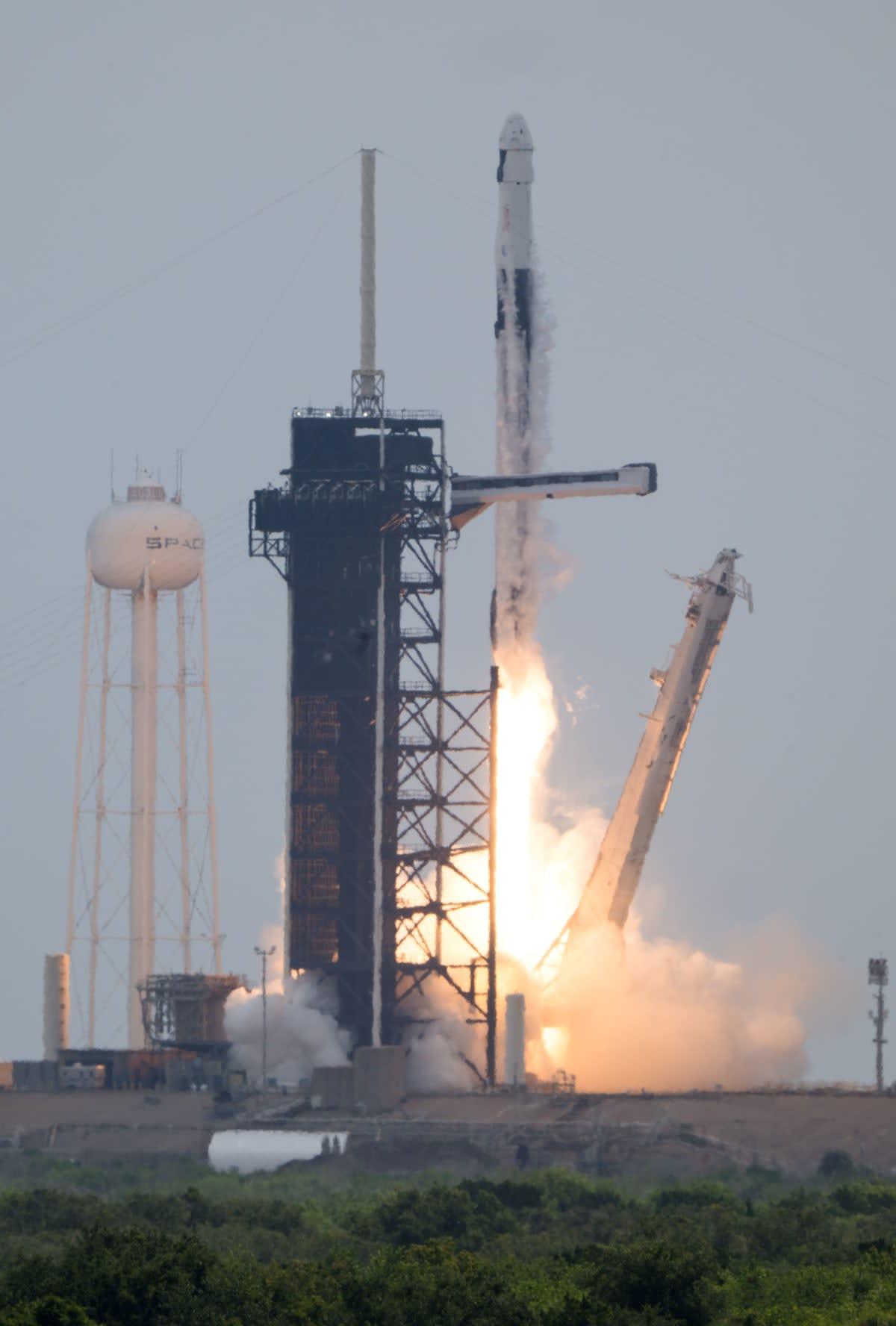
A SpaceX Falcon 9 rocket carrying the company’s Dragon spacecraft is launched on NASA’s SpaceX Crew-11 mission to the International Space Station
NASA has not disclosed the name of the affected astronaut nor their medical condition. The crew consists of NASA astronauts Zena Cardman and Michael Fincke, Japan's Kimiya Yui, and Oleg Platonov of the Russian space agency Roscosmos. The decision, officials said, was made in consultation with the agency’s leadership and medical officials like Chief Health and Medical Officer, Dr. James Polk.
Typically, when astronauts aboard a space capsule reach the ISS laboratory, a coterie of medical facilities is already made accessible to them. From nutritious foods to supplements, from earplugs to sleeping masks, there’s everything. Ground control engineers also track their health using tablet-based medical kits that the astronauts have to fill up daily. Astronauts also engage in timely teleconferences with the psychologist back on Earth. In this case, however, the medical condition is too serious for the astronaut to remain on the ISS. “Obviously, this was a serious medical condition. That is why we're pursuing this path," NASA Administrator Jared Isaacman said in a news conference on January 8.
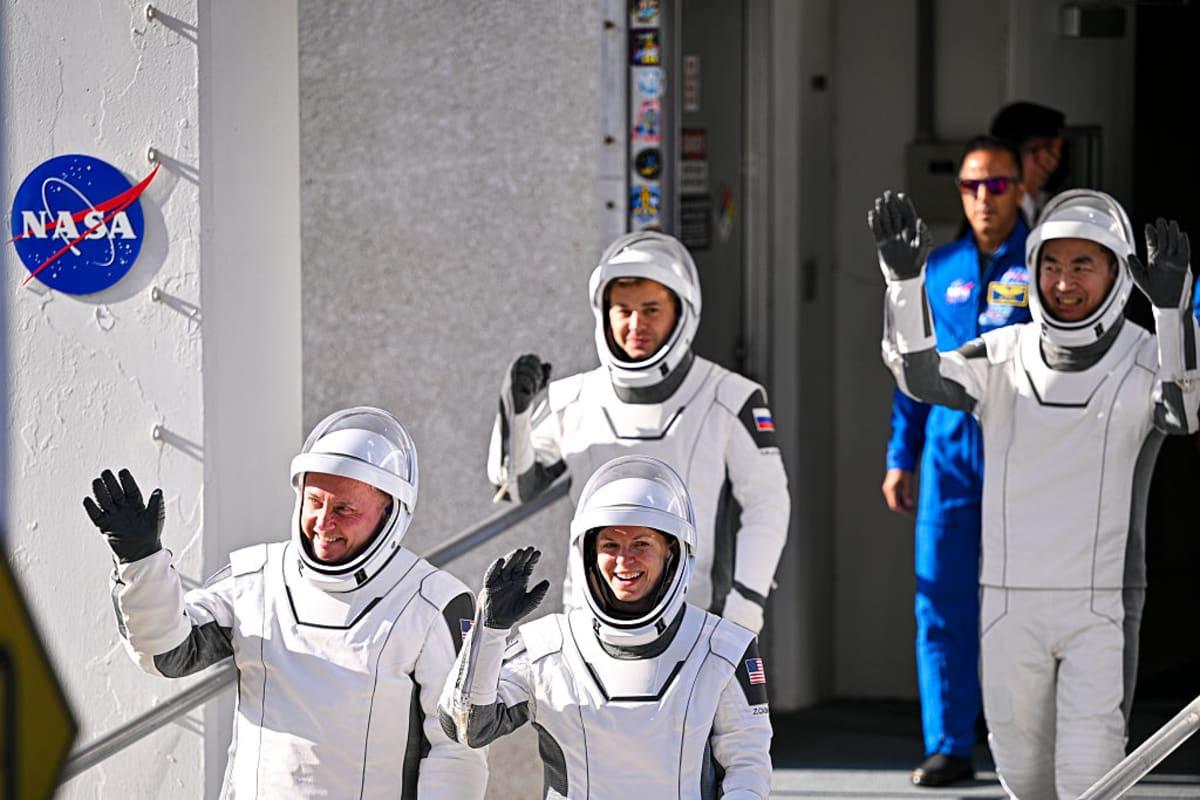
Roscosmos cosmonaut Oleg Platonov, Jaxa astronaut Kimiya Yui, NASA astronaut Mike Fincke, and NASA astronaut Zena Cardman depart the Neil A. Armstrong Operations and Control Building at the Kennedy Space Center for Space Launch Complex
However, there’s nothing to panic about. The evacuation is precautionary and is not an emergency. The officials also confirmed that the crew member’s medical condition is “totally unrelated to any operations on board.” The issue is mostly due to the microgravity environment, Polk shared. This evacuation is a controlled move by NASA, timed to minimize disruption on the ISS. This marks the “first medical evacuation in the history of the orbiting lab.”
NPR says that NASA has never had to cut short a mission before due to an astronaut falling ill, as quoted by CollectSpace. "Crew members have had medical problems in space, but they never rose so high as to come home early," Robert Pearlman, an editor of the website, said. Isaacman stressed that it is “not an emergency de-orbit.” But as Paul Dye, former flight engineer, said, "Safety of the crew comes first, and if the only answer is to bring them home, then you bring them home." Meanwhile, the families of the astronauts, as well as the viewers watching the episode, can expect to receive updates about the timeline of undocking and splashdown from NASA within the next 48 hours.