
Mass Reintroduction of Rare Fishes Turns Adirondack's Barren Lakes into a Thriving Marine Ecosystem
Published Feb. 25 2026, 8:04 a.m. ET

Ongoing conservation process of brook trout
The Adirondacks have been facing a crisis following the disappearance of brook trout from the ponds. The fish holds immense importance as it is New York’s official state fish and one of the most recognizable symbols of the Adirondacks. However, despite that, nearly 90% of the water bodies do not support the species, mostly due to decades of poor environmental management and human activity. However, a new conservation plan has been rolled out after 50 years to bring back the brook trout. The goal is to identify the biggest threats facing these fish today and guide restoration efforts across Adirondack ponds over the next 15 years.
New York State Department of Environmental Conservation (DEC) Commissioner Amanda Lefton announced the “Adirondack Brook Trout Pond Management Plan.” She said, “Other than Maine, New York’s Adirondack Park is the only other location in the lower 48 states that supports a significant number of ponded brook trout fisheries, which shape the region’s ecological legacy and future.” Brook trouts are incredibly rare in the United States, which mainly exists in New York and Maine. The new plan describes it as “a ponded water whose habitat and water quality can support the survival and growth of naturally reproduced or stocked brook trout (Salvelinus fontinalis).”
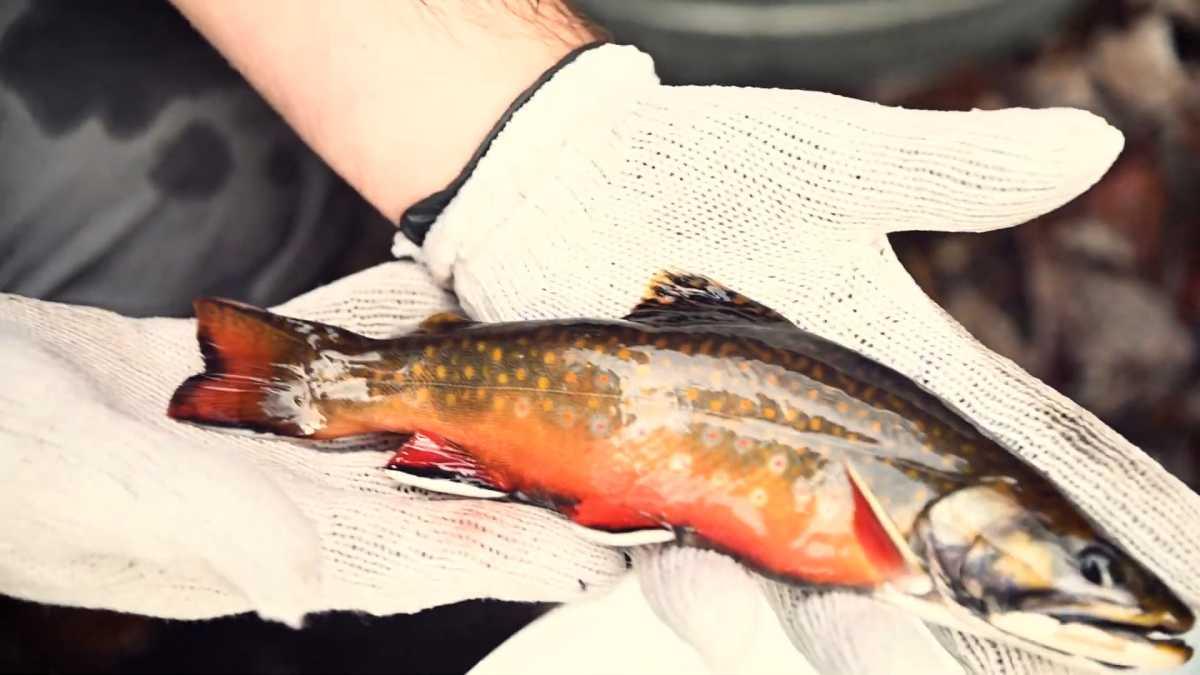
Brook trout
Initially, brook trout were found all over the Adirondack lakes. Due to human activities, including acid rain and poor wildlife management, among others, they became scarce. However, the introduction of non-native fish species for sport fishing has resulted in the wiping out of huge portions of their habitat. Today, brook trout populations remain in about 411 publicly accessible ponds within Adirondack Park, along with some additional ponds on private land. Only a small percentage of these waters now support the fish. But many have been permanently lost after invasive fish took over.
The new plan, according to the DEC, will focus on protecting the brook trout populations that still exist while also helping new self-sustaining populations grow across the Adirondacks. It also aims to secure hatchery-raised trout used for both fishing and restoration projects. At the same time, they will also expand protected waters that preserve genetically pure native brook trout strains. Another major goal is improving how data is collected and used. Consistent monitoring of trout populations is needed, and the officials plan to introduce tools to guide future conservation activities. The state is also launching an angler partnership program that allows citizens to help track fish activity, which in turn will give researchers valuable real-world information.
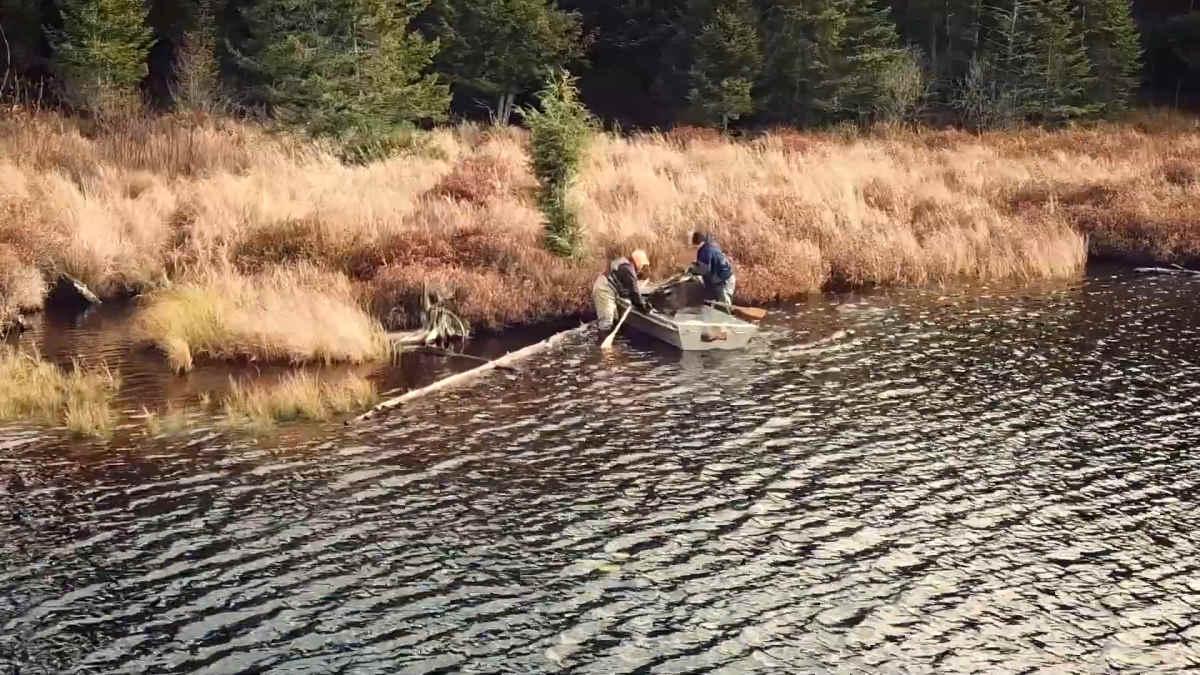
DEC's conservation process for brook trout
Furthermore, another major goal of the new plan is to introduce more uniform fishing regulations. To accomplish that, stronger public awareness about the ecological importance of brook trout ponds is required, and boat inspections will be done. It is also important to prevent the spread of invasive fish species, especially bans on baitfish. Additionally, they will put physical barriers to control invasive species if needed. They will also be factoring climate change into long-term conservation decisions.
DEC announced a major $100 million investment funded through the Clean Water, Clean Air, and Green Jobs Environmental Bond Act earlier this year. The department has also been getting the public involved through a citizen science program called “Trek for Trout.” This will assist researchers in collecting valuable data to better understand brook trout populations and improve future management decisions.