
California’s Mojave Desert Is an Off-Roading Favorite. It's Now Shut Down to Protect a Rare Animal
Published Feb. 20 2026, 5:45 a.m. ET

Tortoise crossing warning yellow road sign in California.
Biologist Ed LaRue sets up camera traps in California’s Mojave Desert to keep a constant eye on endangered animals and develop strategies to better protect them. The other day, he noticed a pickup truck decorated with a large American flag racing a utility task vehicle, billowing swirls of dust down a trail in Mojave. Another moment, LaRue realized that the vehicles were heading towards the Ord Rodman Area, where Mojave’s vulnerable, rare tortoises reside. Unfortunately, dozens of vehicles breach into these critical habitats every day, posing danger to the defenseless creatures. In the coming days, however, the situation is going to change.
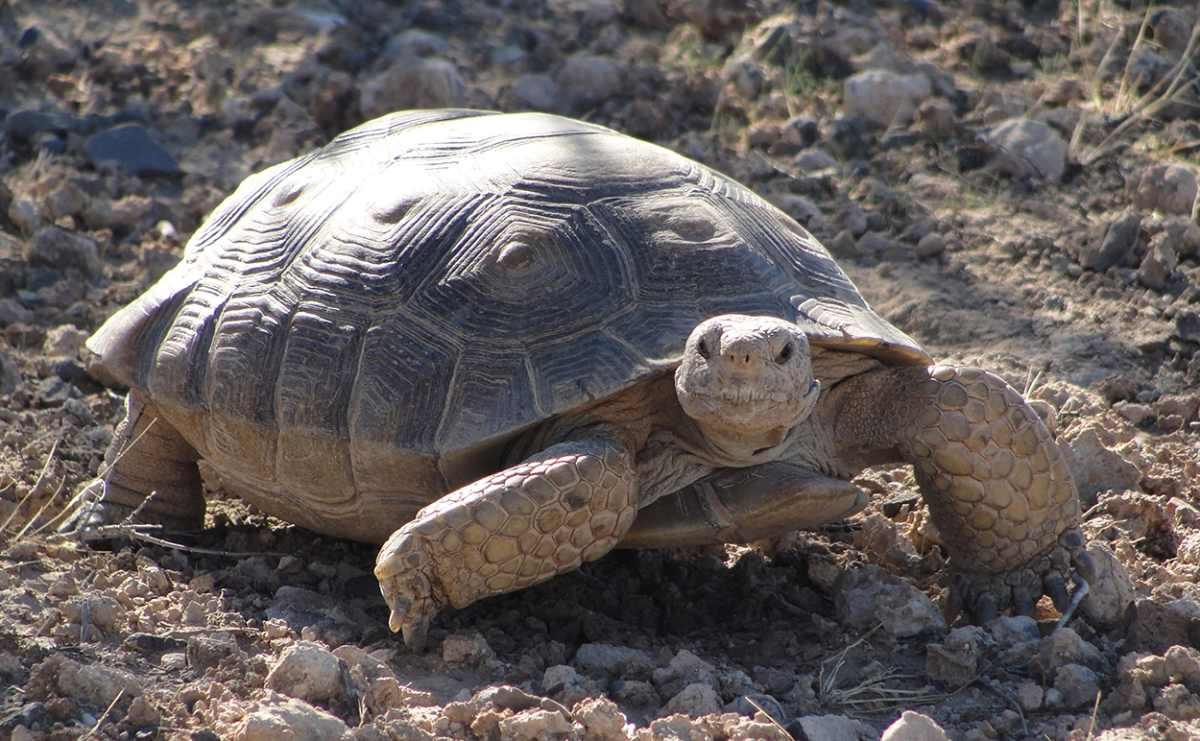
A Mojave Desert tortoise
Visitors may come across bright-yellow tortoise-crossing signs that warn drivers in off-road areas to slow down and keep an eye out for a tiny tortoise crossing the road. To the utmost relief of those who care about these shell-bearing reptiles, federal judge Susan Ilston recently issued an order to the Bureau of Land Management (BLM) to shut down 2,000 miles of these trails. She shared with the LA Times that these off-highway vehicles, or OHVs, are a “significant ongoing cause of harm” to Mojave’s tortoises. “This happens all the time — the roads give them access, and then once they get there, they just kind of drive cross-country,” LaRue grunted. “And that’s where you get the burrows crushed.”
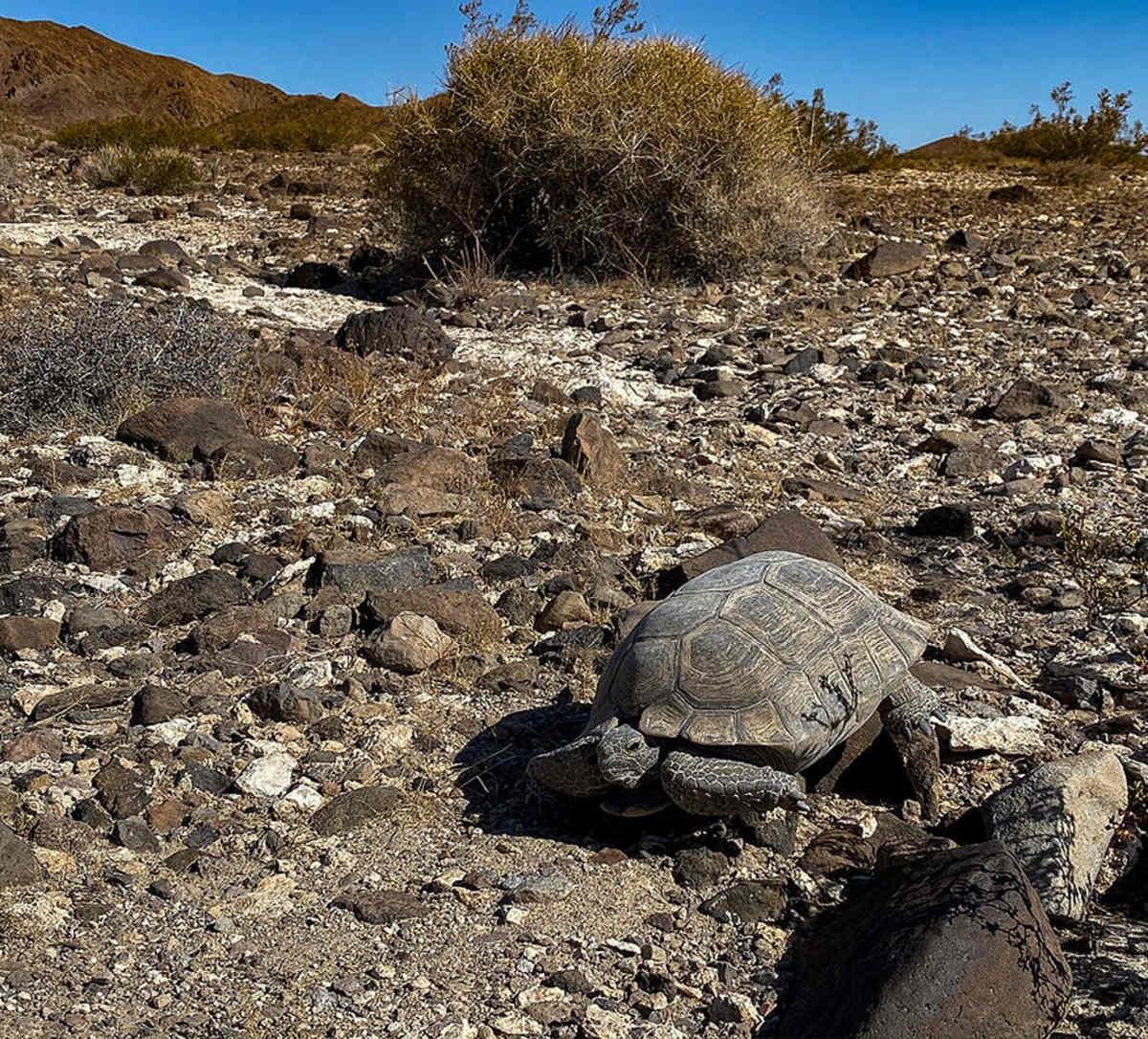
An adult male Agassiz’s desert tortoise found during MDLT's Hidden Valley survey in October 2019.
The California Fish and Game Commission recognized the Mojave Desert tortoise as endangered in 2024. When biologist Kristin Berry of the U.S. Geological Survey (USGS) monitored some plots in Mojave, she reported a 96% decline in tortoise population since the 1970s. According to the Center for Biological Diversity, the BLM initially adopted nearly 6,000 miles of dirt roads for off-road vehicle use, despite studies showing that these areas host threatened desert tortoises. To make matters worse, drivers created several illegal routes snaking through the tortoise habitats.
Under these circumstances, Ilston’s order has emerged as a turning point for the tortoises pestered by human cars. “I’m grateful the judge recognized the need to take action to stop the steep decline of desert tortoises in the West Mojave,” said Lisa Belenky, senior attorney at the Center for Biological Diversity. Protecting these rare creatures, she said, will help them make a “comeback.” "This is how the Endangered Species Act is supposed to work, protecting plants and animals from extinction by protecting the places they live," she added. Arriving at this plan wasn’t easy, though. Years of legal battles, clashes, and arguments over who gets access to which parts of Mojave and how spurred the fuel.
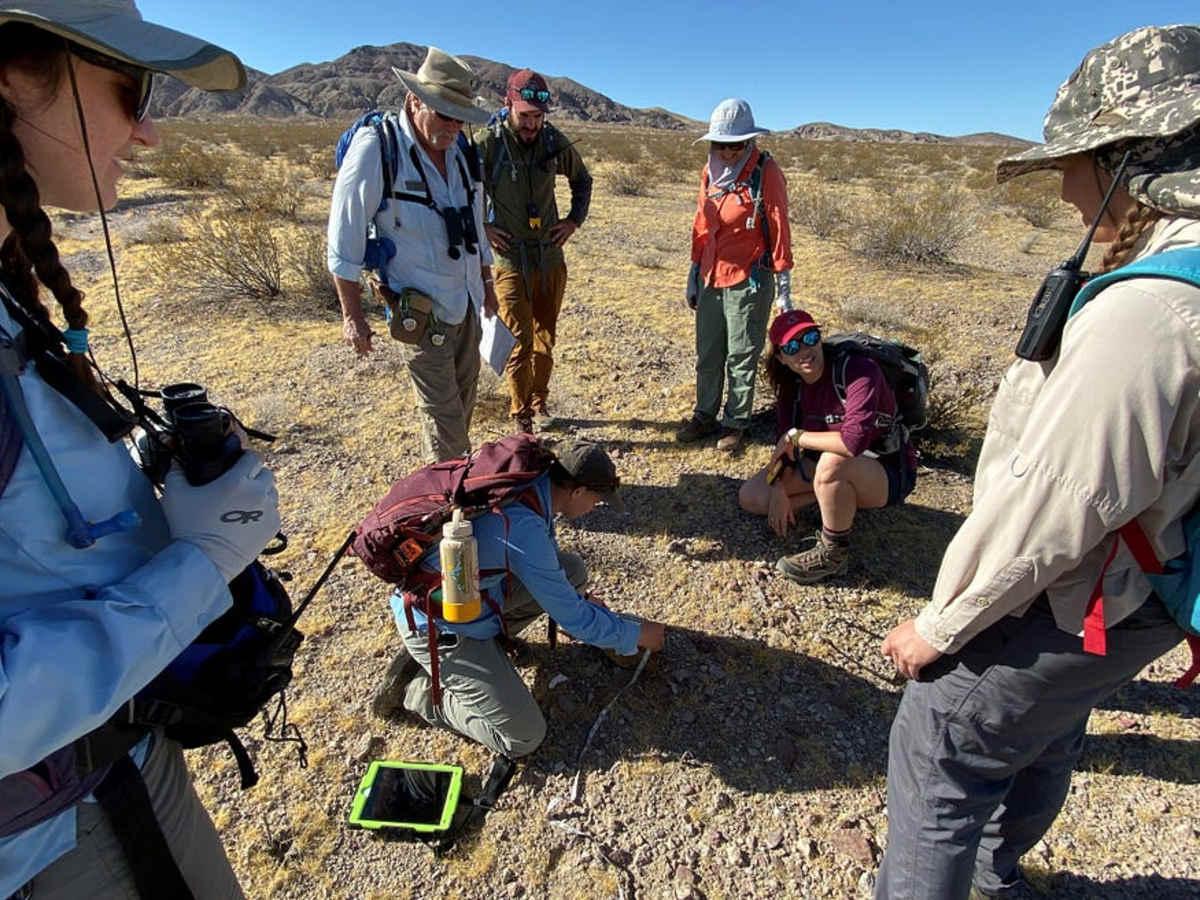
Tortoise biologists Ed LaRue and Sharon Dougherty, MDLT staff, and volunteers measure the remains of a tortoise.
Not everybody is happy with the new plan, especially those who are habituated to driving along the off-road areas. Ben Burr from the non-profit Blue Ribbon Coalition lamented that “everybody is quite upset about it.” He complained that the judge went a little too far for the tortoises, not considering how it might impact humans. In other communities, the resistance to this plan remains just as fierce and stubborn. Meanwhile, LaRue and BLM are also developing strategies to protect tortoises from non-anthropomorphic threats, such as invasive weeds, disturbed soils, wildfires, and ravens that steal away their eggs.