
Killifish, Once Presumed Extinct, Rediscovered After 20 Years in a Remote Pond
Published Dec. 29 2025, 8:39 a.m. ET

Close up of killifish underwater
A tiny fish that was presumed extinct has reemerged as a sign of hope. After 20 years of no-show, the rediscovery of Moema claudiae, a rare seasonal killifish, has restored faith in conservation efforts. The rare species was found in a small and temporary pond located in Bolivia within a segment of forest, surrounded by farmlands. Two decades ago, the species wasn't spotted after its habitat was destroyed to create agricultural grounds. When repeated searches couldn't locate and restore the tiny fish species, it was declared Critically Endangered under IUCN criteria, as per Science Daily. This reemergence was captured thanks to researchers Heinz Arno Drawert and Thomas Otto Litz, who went on a field trip to the forest and noticed the reappearance of the species.
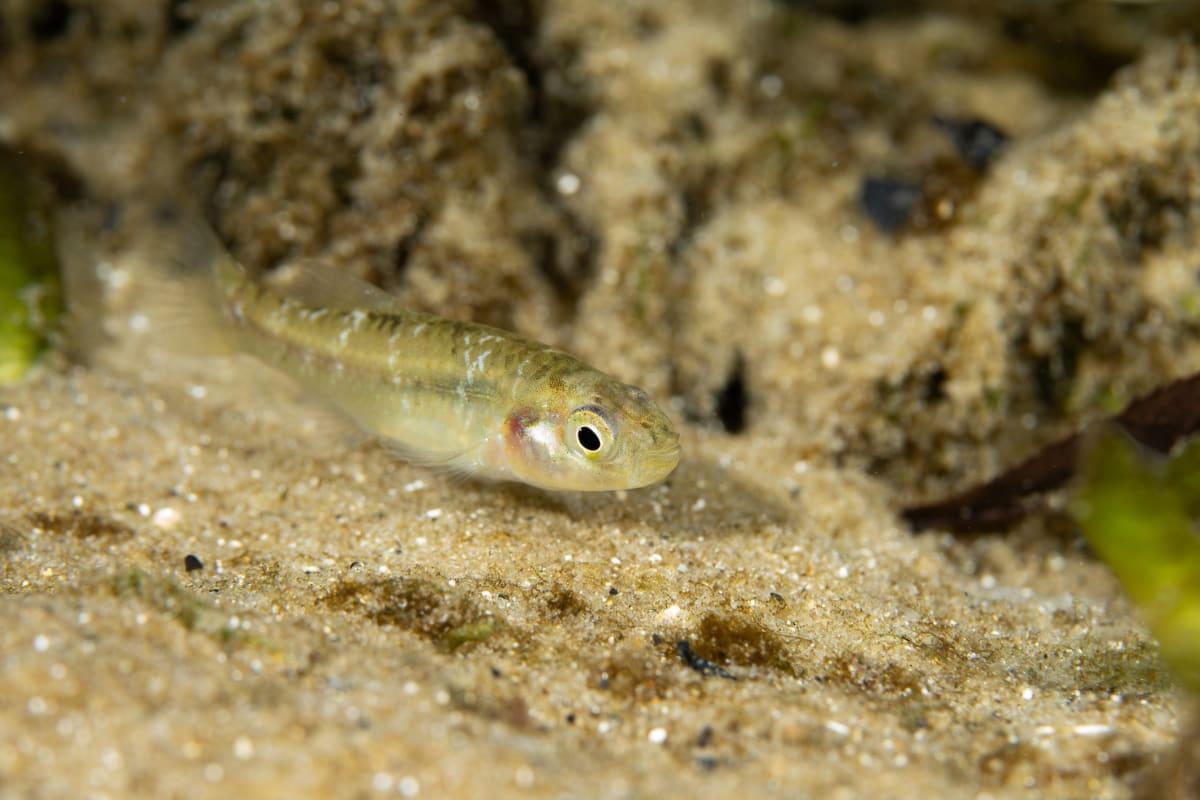
Rainwater Killifish on sandy bottom of spring
According to the study, published in the journal Nature Conservation, the scientists photographed the fish that was discovered after 2 decades of search. “For me, it is something special to have rediscovered Moema claudiae," said Thomas Litz, one of the co-authors of the study. "This has shown that we now have the opportunity to preserve this species in the wild," the researcher added. Litz admitted that he was even more pleased with the rediscovery of the species because Prof. Wilson Costa had named it after his wife, Claudia. "I would like to take this opportunity to thank him especially for decades of collaboration and support," the researcher added. Another astonishing aspect of the finding was that not one, but many other species of seasonal killifish were rediscovered in the habitat.
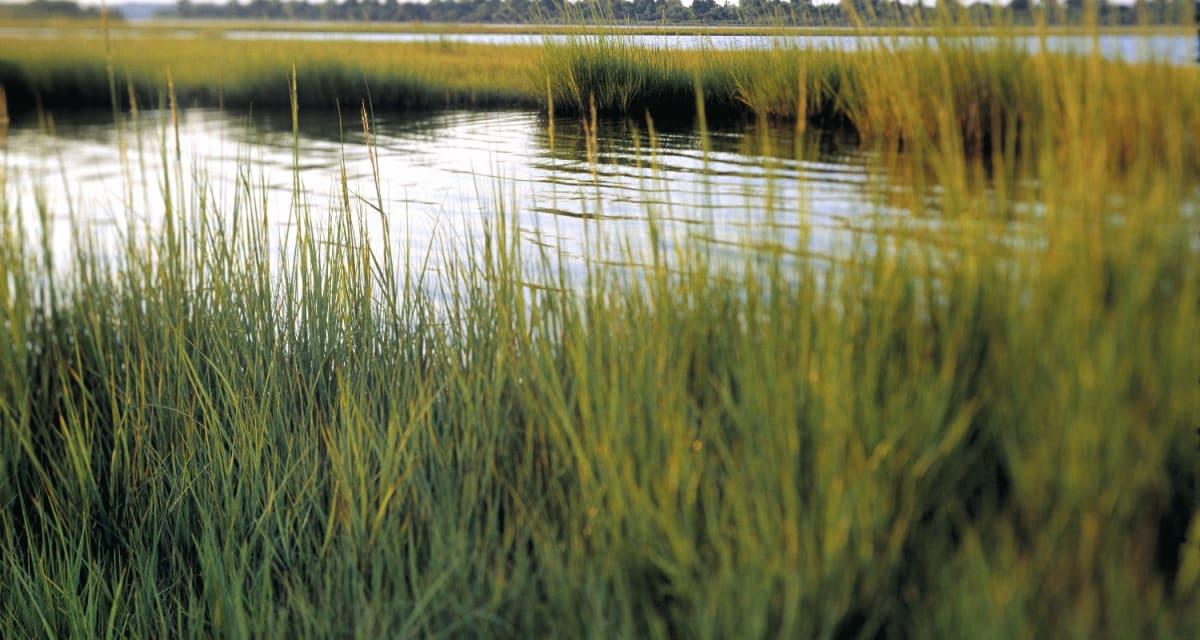
Water ripples on a marshland inlet.
The ecological region is a hotspot where the Amazon rainforest and the Llanos de Moxos savannas intersect. The unique crossroads between two ecologically rich ecosystems is perhaps what led to the impressive biodiversity of seasonal killifish. According to the outlet, this region represents the most genetically diverse group of seasonal killifish ever recorded around the world. The region of Bolivia indeed has one of the densest and richest biodiversity that needs to be protected, especially with widespread deforestation and expanding agriculture posing a threat to the habitat. The researchers have realized that the rich ecosystem needs urgent conservation action to protect it from being exploited.
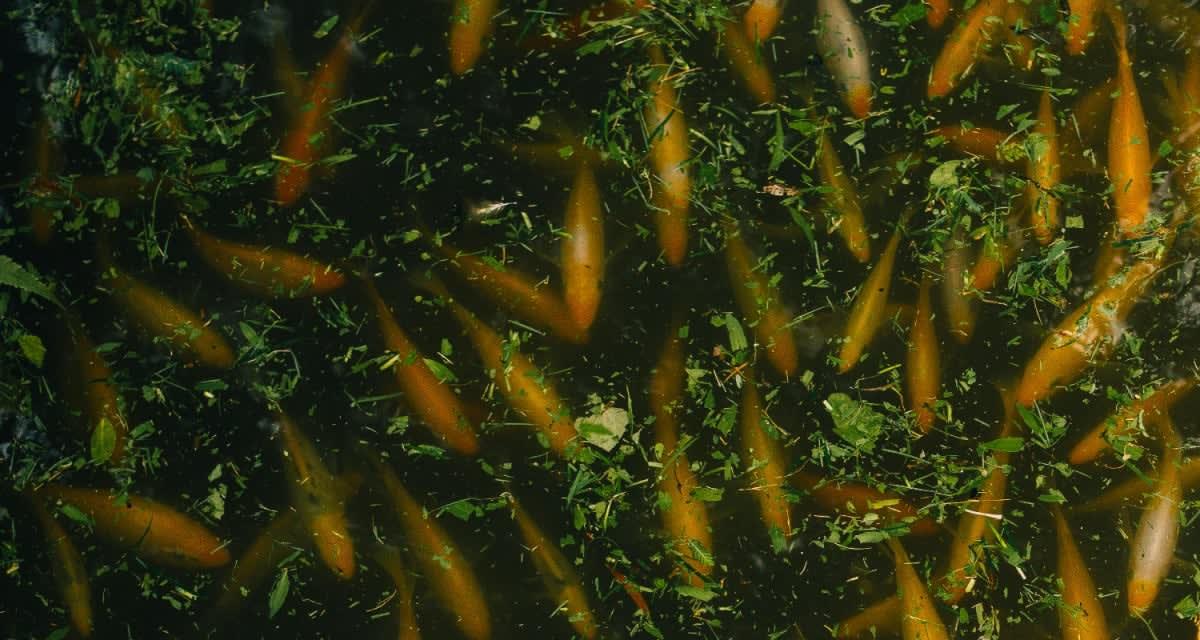
Several tiny fish in a pond.
Bolivia is fast-tracking in terms of losing its forests and critical wetlands to agricultural practices. Over the past 25 years, the place has lost about 10 million hectares of its land that was once rich and thriving with organisms. "Without rapid and effective action to curb the irrational expansion of the agricultural frontier in Bolivia's lowlands, we risk losing some of the world's most important terrestrial and aquatic ecosystems, and with them the irreplaceable goods and services they provide," said co-author Heinz Drawert. The researcher emphasized that "true social and economical wellbeing" will be impossible to achieve if such ecosystems are not maintained or restored. That being said, conservation of wetland species like Moema claudiae is especially tricky as their habitats can easily be modified and destroyed.