
Hidden Blizzard Risk Comes to Light as Rhode Island Student Dies While Charging Phone in Car
Published Feb. 26 2026, 5:04 a.m. ET

(L) 21-year-old student, Joseph Boutros; (R) Car covered in snow during a blizzard (Cover Image Source: (L) Instagram | @salvereginafootball; (R) Wikimedia Commons | V4711 | Creative Commons Attribution-Share Alike 3.0 Unported)
Being stranded outside in the midst of a blizzard is a nightmare alone, but for a 21-year-old student at Salve Regina University, it turned deadly. When a massive winter storm swept across the Northeast, hundreds or thousands experienced a power outage. Meanwhile, Joseph Boutros found himself parked outside a university building and perhaps thought it best to charge his phone in the car. While he dodged the blizzard, something else took his life: monoxide poisoning. On February 23, Boutros was found unresponsive in the car in Newport,Rhode Island. Police ruled the death accidental, triggered by the storm that caused obstruction in the vehicle's exhaust pipe. According to Newport Police Captain Joseph Carroll, the power outage prompted Boutros to charge his phone in the car, and he informed a fellow student of the same.
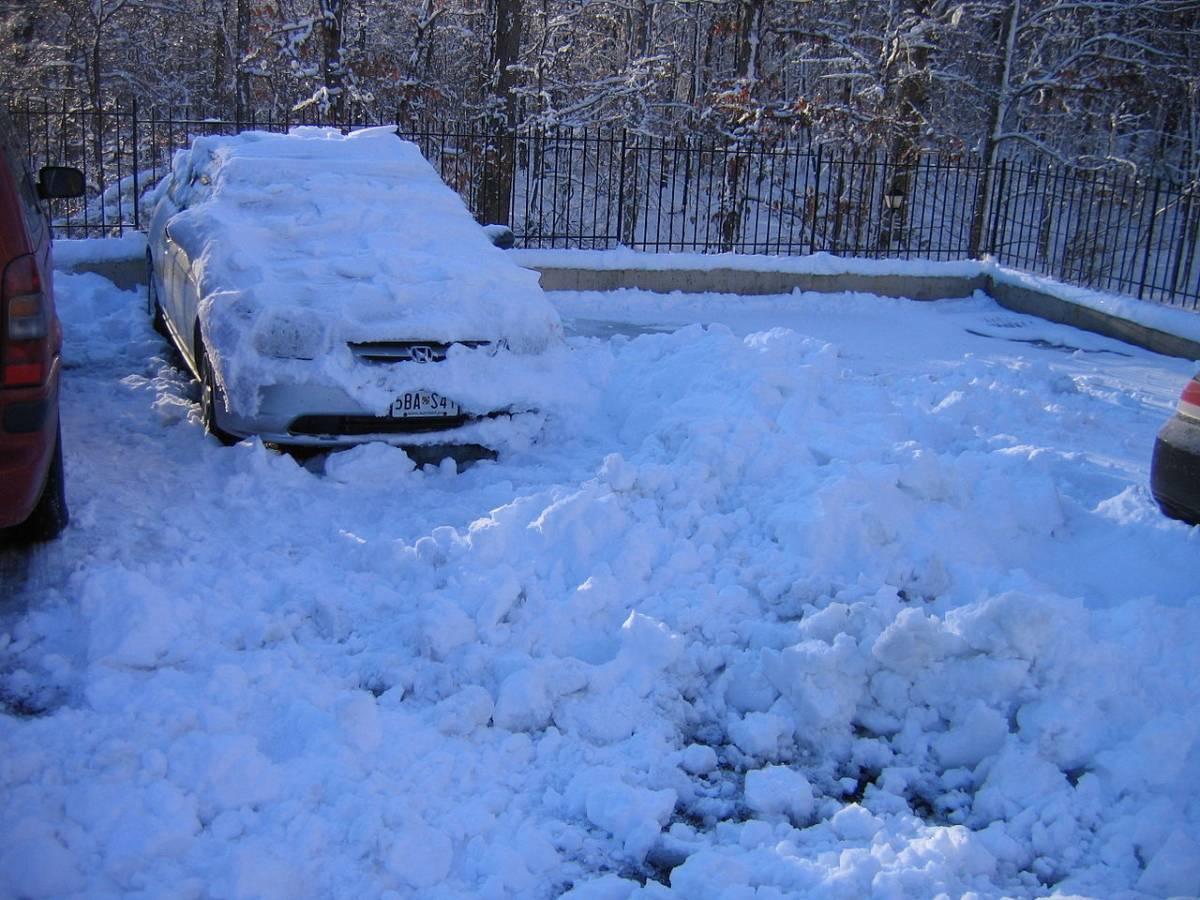
A major blizzard covers a car with snow
Neither he nor his classmates saw the tragic accident coming. Boutros was a college senior majoring in criminal justice and criminology and a member of the university’s football team, who mourned the death of the bright and young student in a social media post, sharing their "heartbroken" reaction over the news. "Joseph’s contagious smile, positive spirit, and genuine love for his brothers left a lasting impact on everyone in our program. He was more than a teammate, he was family," they added. The incident highlighted the issue of carbon monoxide poisoning as a side effect of major blizzards. While collapsing snowbanks, icy roads, and other impacts of snowstorms are highlighted, some rare yet deadly issues are neglected.
The buildup of carbon monoxide in and around vehicles enveloped in snow is one of those issues. Tim McLaughlin, the State Fire Marshal of Rhode Island, revealed that the buildup is common in heavy snowfall scenarios. “People often believe that a running vehicle will simply melt the snow around it,” he told TODAY.com. “But if the exhaust pipe is blocked—or even partially surrounded by snow—carbon monoxide can build up and back up," he added. Aptly referred to as "the silent killer," carbon monoxide is a gas that's hard to detect due to its colorless and odorless nature. If exposed for too long, the situation can go south too quickly, needing immediate medical attention. One missed chance, and the person might end up dead.
The exposure to CO prevents blood from carrying oxygen. In minor cases, a person might experience headaches, dizziness, nausea, and confusion, but at high levels, it can prove life-threatening. “A small amount over time or a large amount in a short period can both be deadly,” McLaughlin added. The state of New Jersey is preparing to withstand a forthcoming winter storm, predicted to occur this weekend. Rutgers University shared a notice, raising awareness of CO poisoning. When the first signs of symptoms occur, the New Jersey Poison Control Center (1-800-222-1222) should be contacted immediately. If someone is unconscious, not breathing, seizing, or hard to wake, call 9-1-1.
“Depending on where you live, you may experience heavy wind, snow, ice, and possible power outages,” said Bruce Ruck, managing director of the New Jersey Poison Control Center at Rutgers New Jersey Medical School. "Our medical providers at the poison control center are available 24/7 to provide medical help and guidance to people right where they are," he added. “It is important for people to be aware of the increased risk of exposure to carbon monoxide poisoning during and after winter storms," Ruck emphasized.