
Harvard Finds People Living Near Nuclear Plants Show Higher Cancer Death Rates: See All Active U.S. Regions
Published Feb. 25 2026, 7:09 a.m. ET

Arkansas Nuclear One, Unit 1 power plant.
When thinking of nuclear plants, usually clean energy comes to mind. With minimal greenhouse gas emissions, the environmental impact of this technology was never questioned, until now. A new study claims that countries situated near nuclear power plants (NPPs) have a high rate of cancer mortality, and it is no coincidence. Research led by the Harvard T.H. Chan School of Public Health, published in Nature Communications, has revealed that counties in the United States situated closer to operating nuclear plants face severe health impacts. Death from cancer in these regions has increased compared to regions located further away from operating power plants. The research marks the first national analysis, exploring the connection between cancer mortality and distance from nuclear plants.
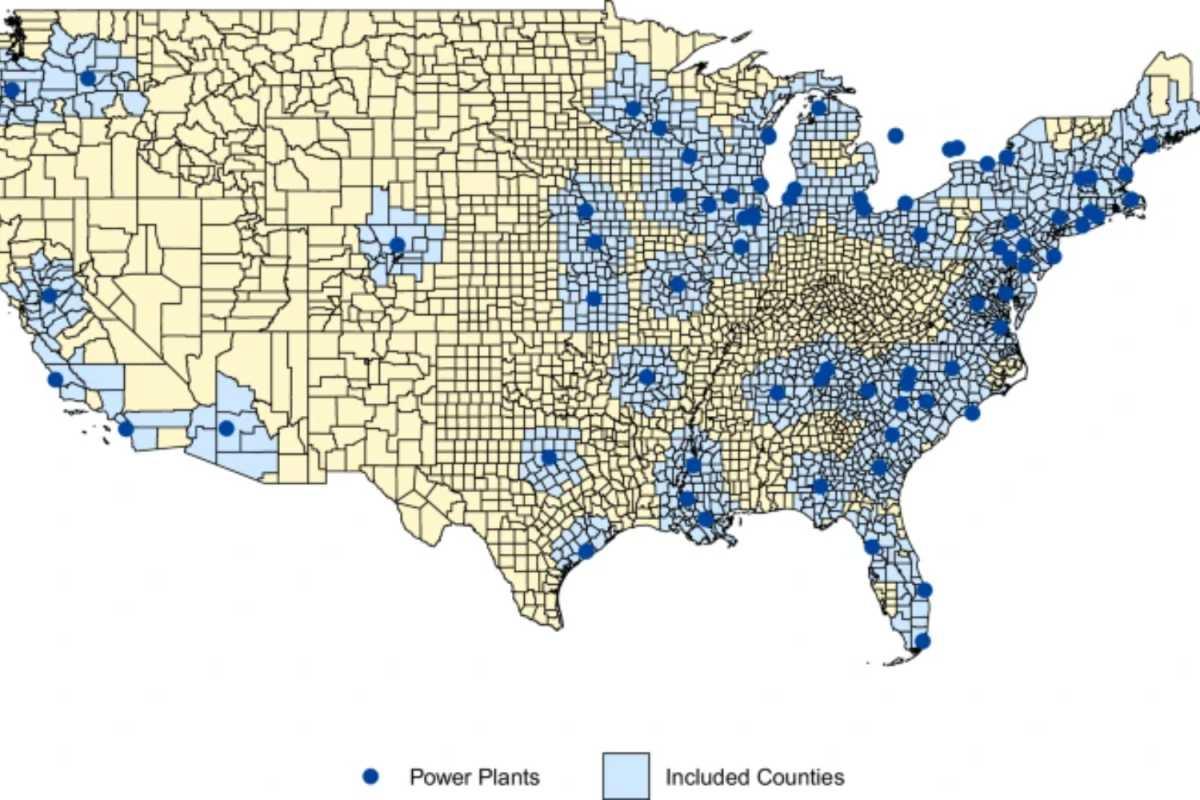
Geographic distribution of nuclear power plants in the United States and counties within 200 km of a plant operational for at least one year between 2000 and 2018.
It cannot be explicitly declared that cancer is interlinked to proximity to nuclear plants. However, researchers believe the new study has merely brushed the surface of the potential environmental or health harms caused by these plants. Although the relation between power plants and cancer rate has been explored in the past, the data collected were limited. In the United States, most study focused on a single power plant and its impact on the nearby regions. Researchers identified this gap and conducted in-depth research covering the years 2000 through 2018. Using a method called “continuous proximity,” they were able to consider more than one operating nuclear plant in the study by evaluating the distance of each U.S. County to a power plant. According to the United States Nuclear Regulatory Commission, here are all the regions and states that have operating nuclear plants in the U.S.:

A list of operating nuclear power plants in the U.S., divided by regions and states. (Image Source: United States Nuclear Regulatory Commission (USNRC))
This study also included varied external factors that could influence cancer death rates. It included socio-economic factors, like median household income, racial composition, and education, and environmental triggers, like humidity and temperature. The study also considered certain lifestyle preferences like smoking prevalence and Body Mass Index (BMI). After accounting for these variables, researchers deduced that about 115,000 cancer deaths nationwide, or about 6,400 per year across the 18-year study period, were found to be related to nuclear power plants. “Our study suggests that living near a NPP may carry a measurable cancer risk—one that lessens with distance,” said senior author Petros Koutrakis, Akira Yamaguchi Professor of Environmental Health and Human Habitation, as per SciTechDaily.
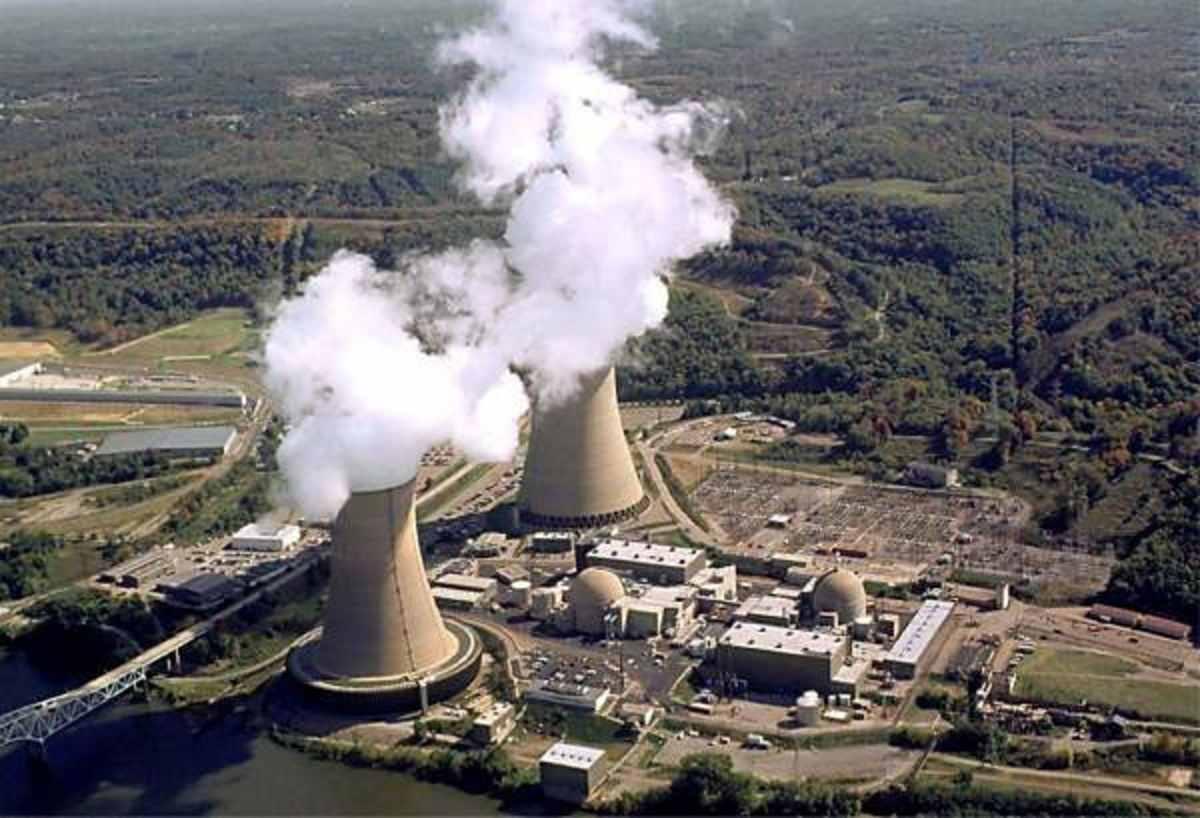
Beaver Valley Power Station, Unit 1.
The study showed that older adults are more vulnerable to cancer death that is related to NPPs. “We recommend that more studies be done that address the issue of NPPs and health impacts, particularly at a time when nuclear power is being promoted as a clean solution to climate change," the author added. The same team conducted a similar study earlier in Massachusetts and concluded the same thing. The recent study confirmed the relation between proximity to power plants and health impacts on a larger and national scale. However, the study also had certain loopholes that the researchers have acknowledged. It did not measure the radiation coming out of each nuclear plant but instead used a common assumption for all.
Radiation at different power plants may vary, and so will their environmental, health, or socio-economic impacts. Therefore, the drawback certainly takes away from the accuracy of the finding. Even though this research successfully associated cancer mortality with NPPs, it couldn't determine whether these power plants directly caused cancer in people living in close proximity.