
Massive Antarctic Iceberg Triggers Catastrophic Death of Emperor Penguins — Kills 14,000 Chicks
Published Jan. 19 2026, 8:45 a.m. ET

Huddle of emperor penguins gathered in front of an iceberg
Nature seems to be playing a brutal ploy with innocent emperor penguins. Within the frigid waters of the Southern Hemisphere, a notorious iceberg, more than 8 miles long, plotted itself between a sea and a colony, causing separation between the mothers and their baby penguins. The story began in the spring of 2025 when the winds and the waves of Antarctica’s Nansen Ice Shelf caused the break-off of this iceberg. In what can be called a climate curveball, the iceberg destabilized from its position, drifted north, and settled in the Coulman Island colony in the Ross Sea, the largest breeding ground of emperors. While the stubborn iceberg refuses to budge from its position, its towering size triggered a catastrophic die-off of emperor penguin chicks, according to a report by DongA Science.
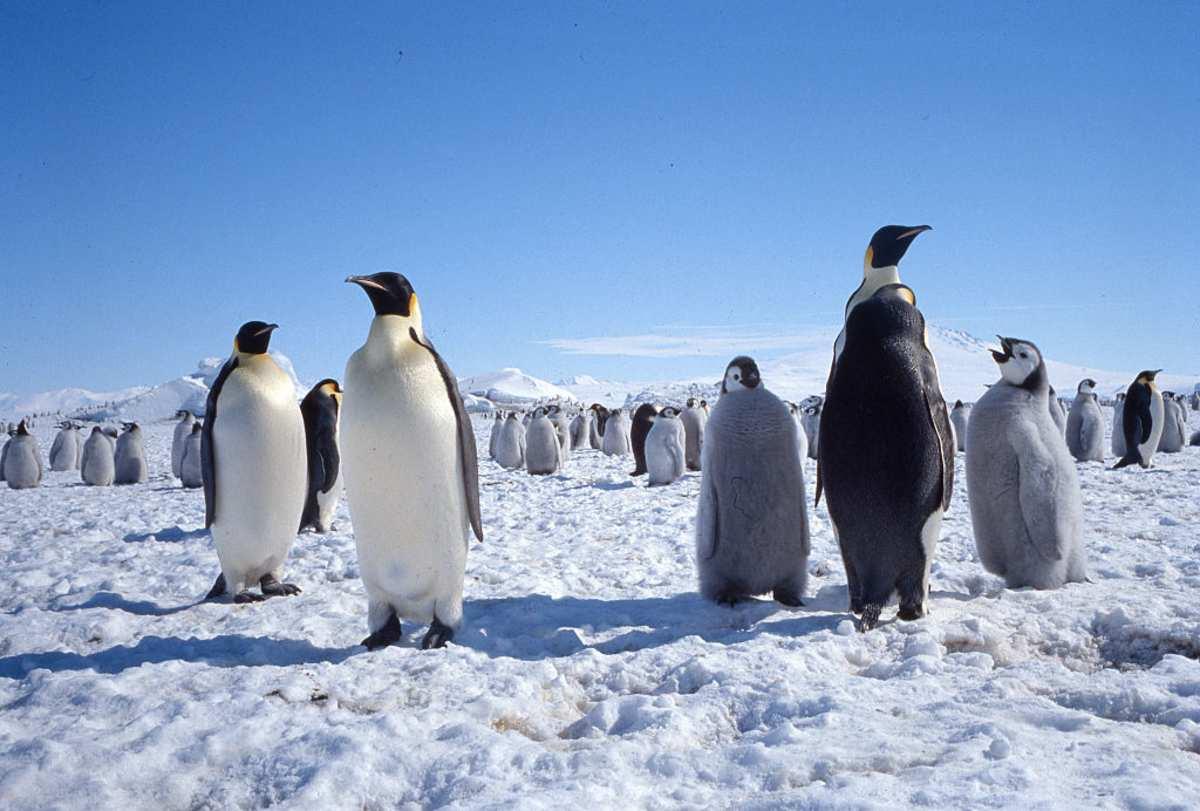
Emperor penguins huddled in a snowy field of Antarctica
Here’s the scene. These emperor penguins have a clockwork that determines their breeding, foraging, and feeding rituals. In summer every year, usually in June, the females lay eggs and entrust these to males. They leave their homes in the emperor penguin colony and venture out to the sea to hunt. Between late July and early August, they return with huge clumps of fish and fat reserves on their bodies that would feed their chicks back home.
Meanwhile, the male penguins feed the newborns with the scanty supply of “penguin milk” they have, just enough nutrients to sustain them until the mothers return and feed them. But when mothers don’t come back for long, the males, who have already fasted for over two months, are forced to abandon the babies to survive. In the latest scenario, the gigantic iceberg has blocked the path that mothers use to return to their homes.
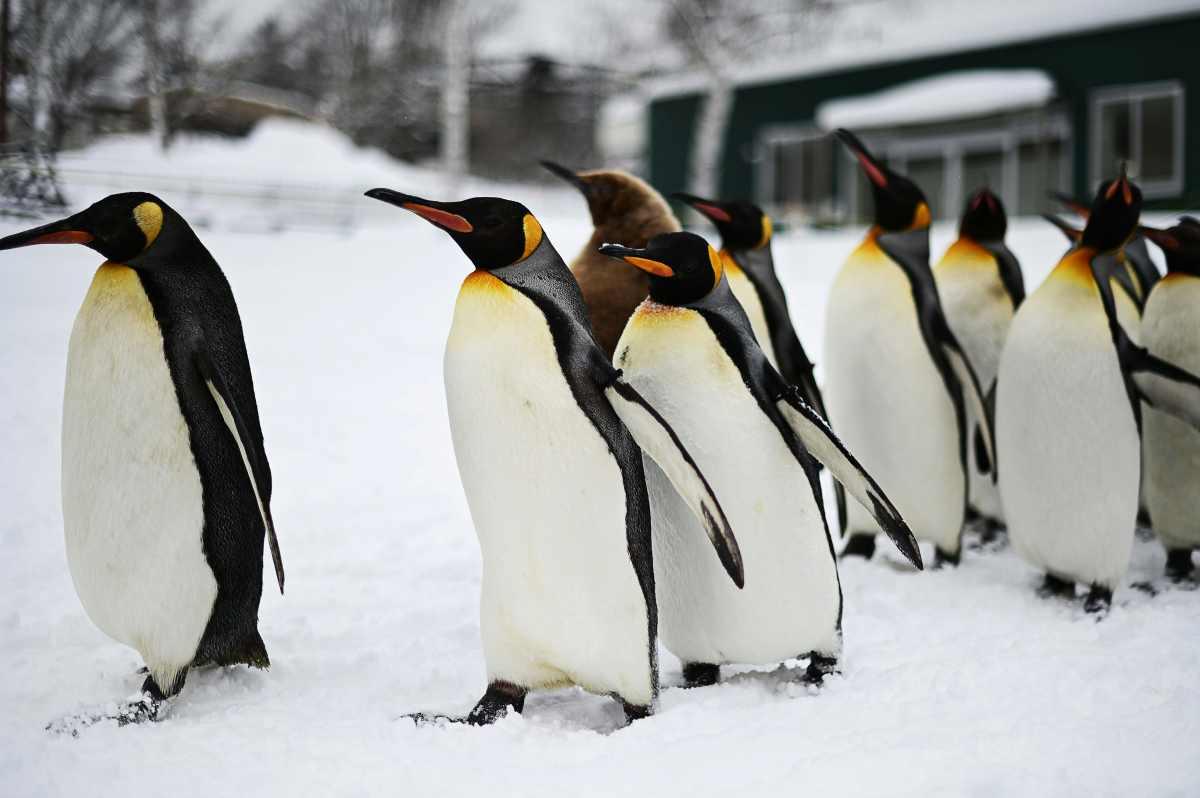
A rookery of penguins waddles across the icy expanse
Thousands of mothers are ailing on the other side of the berg, separated from their chicks. Back in the colony, approximately 14,000 chicks have starved to death. Only a small number of them have succeeded in surviving, and that too because their mothers figured out a way escape the iceberg’s steep barrier, reach the colony, and feed them in the nick of time.
"The surviving 30% of chicks were likely fed by mothers who managed to find an alternative," said Dr. Kim Jeong-hoon, lead researcher from Korea Polar Research Institute (KOPRI). He reported that the number of chicks plummeted from approximately 21,000 in 2024 to about 6,700. If the iceberg continues to linger in its position, a large-scale relocation of the penguin colony will be inevitable.
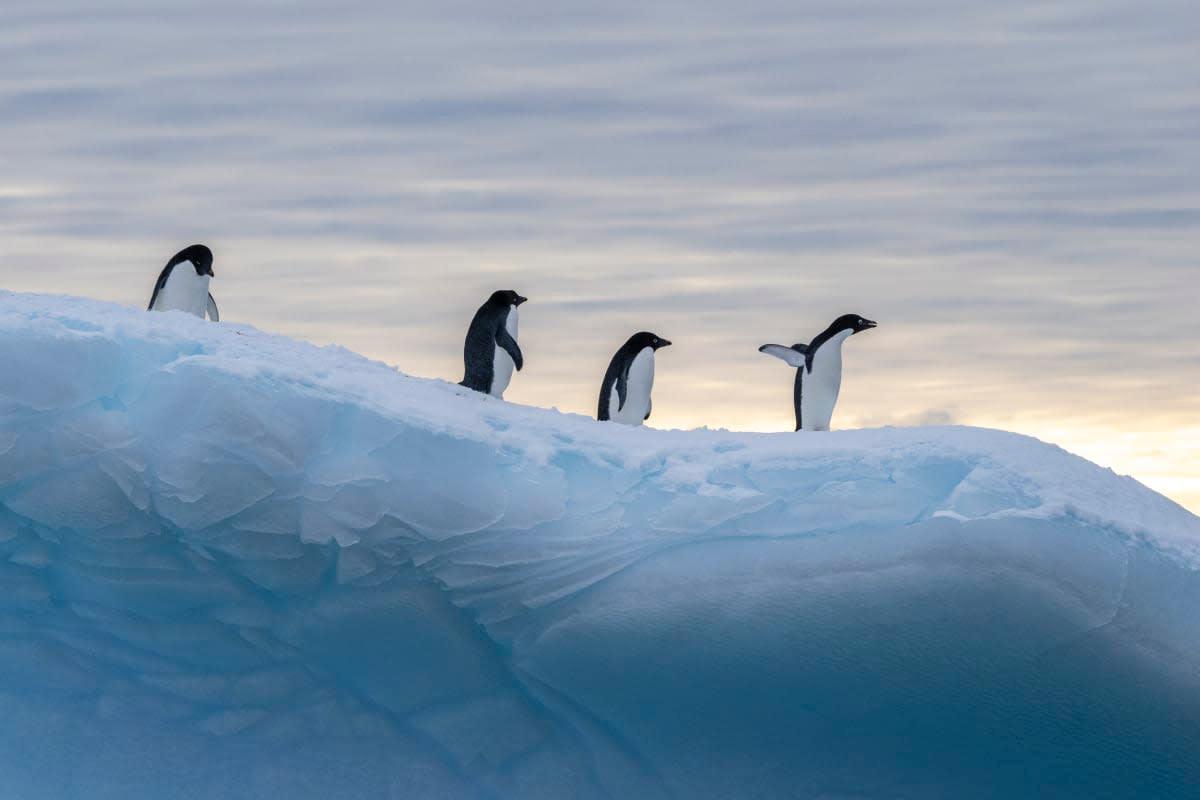
Penguins traversing an iceberg
"If the ice melts next summer and the iceberg is swept away, opening the path before the breeding season, the colony has a chance to recover. However, if it remains stationary for a long period, it could have long-term impacts, such as the emperor penguins moving to a different breeding ground," predicted Jeong-hoon. To help the penguins get out of the grips of this suffering, the research team is planning to officially report this case to relevant international organizations, including the Commission for the Conservation of Antarctic Marine Living Resources. For the time being, the event demonstrates erratic tragedies that these flightless birds have to suffer due to climate change, which, for the most part, is human caused.
KOPRI’s President Shin Hyeong-cheol asserted that the team will intensify its satellite monitoring and on-site investigations until the next breeding season and continue research on the impact of climate change on Antarctica's ecosystem to ensure this doesn't happen again. This episode also comes as a heart-shattering warning for humans that can’t be dismissed. Picture the newborn emperor chick, shivering in the brutal Antarctic winds, deprived and longing for its mother, while the mother continues to remain stranded on the other side, both rendered powerless by the cruel fate.