
Did Wolves Really Transform Yellowstone? Scientists Challenge Long-Held Theory
Published Dec. 31 2025, 4:09 a.m. ET

Gray wolf stands in a grassy field with thickets of bushes and sparse vegetation in Yellowstone, looking backwards with a sneering gaze
Predators might be ill-reputed for their fearmongering gestures, but from a scientist’s point of view, they are catalysts of transformation. They are the architects of ecosystems. By eliminating what is not needed, they enable the natural system to cultivate what is needed, thereby unlocking opportunities for growth and positive change. Take the gray wolves, which are credited for transforming the geography and ecology of Yellowstone’s ecosystem since their reintroduction around 1995. A study published in Global Ecology and Conservation documented the astonishing resurrection they bestowed upon the park with their homecoming.
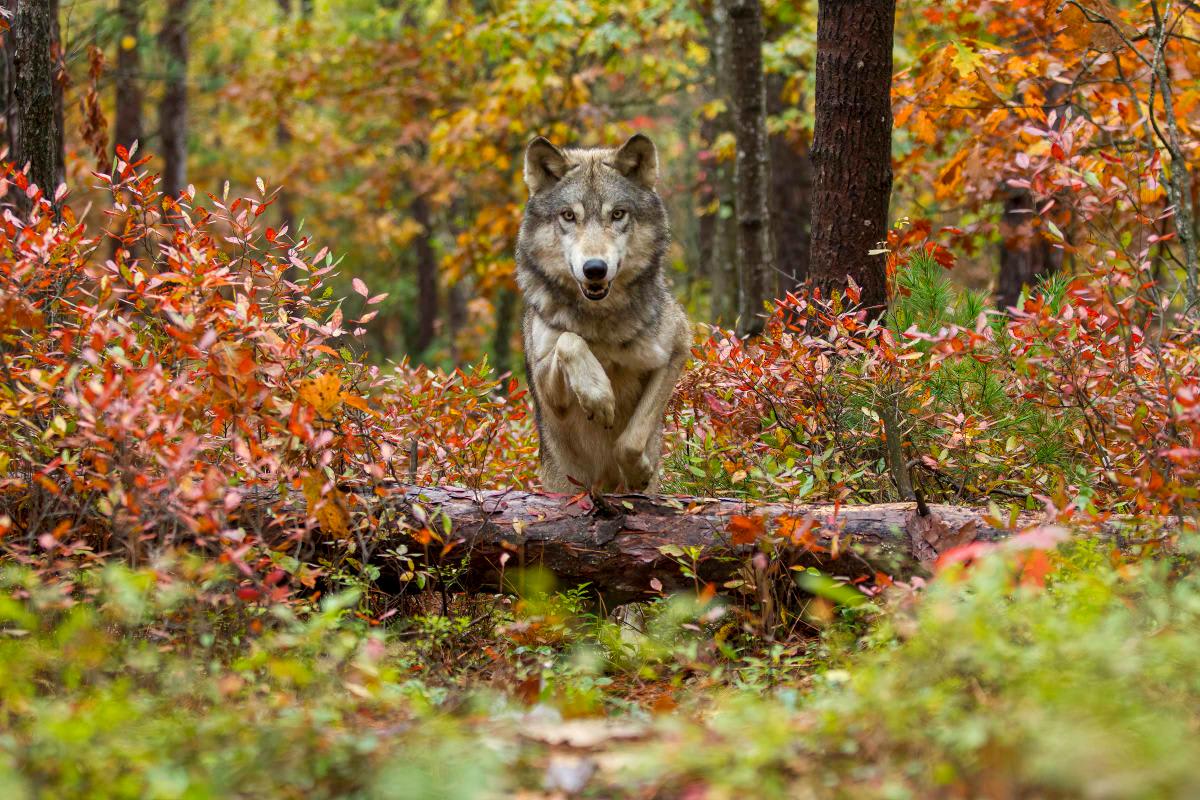
Gray wolf jumping over a log in a forest brimming with clusters of wildflowers
The story began in the 1920s. Propelled by a desire to tame the wilderness and liberate residents from fear, humans extirpated wolves from the Yellowstone ecosystem. It didn’t take them long to realize that it was a mistake. The mistake soon became a blunder. In the absence of wolves, Yellowstone turned into a claypan of chaos. Elk started overgrazing. As a consequence, their favorite food, the willow trees, became the victim of suppression. Willows began dwindling, and so did other palatable woody plants like aspens and sagebrush.
Despite the park's boundaries and a government elk culling program, elk were stamping out trees, nibbling every iota and jot. The process triggered an “ecological hysteresis.” As vegetation collapsed, and streams, rivers, and wetlands plunged lower as there were no roots to hold water. Shrinking wetlands made beavers suffer. A domino of disorder provoked a tailspin of destruction.
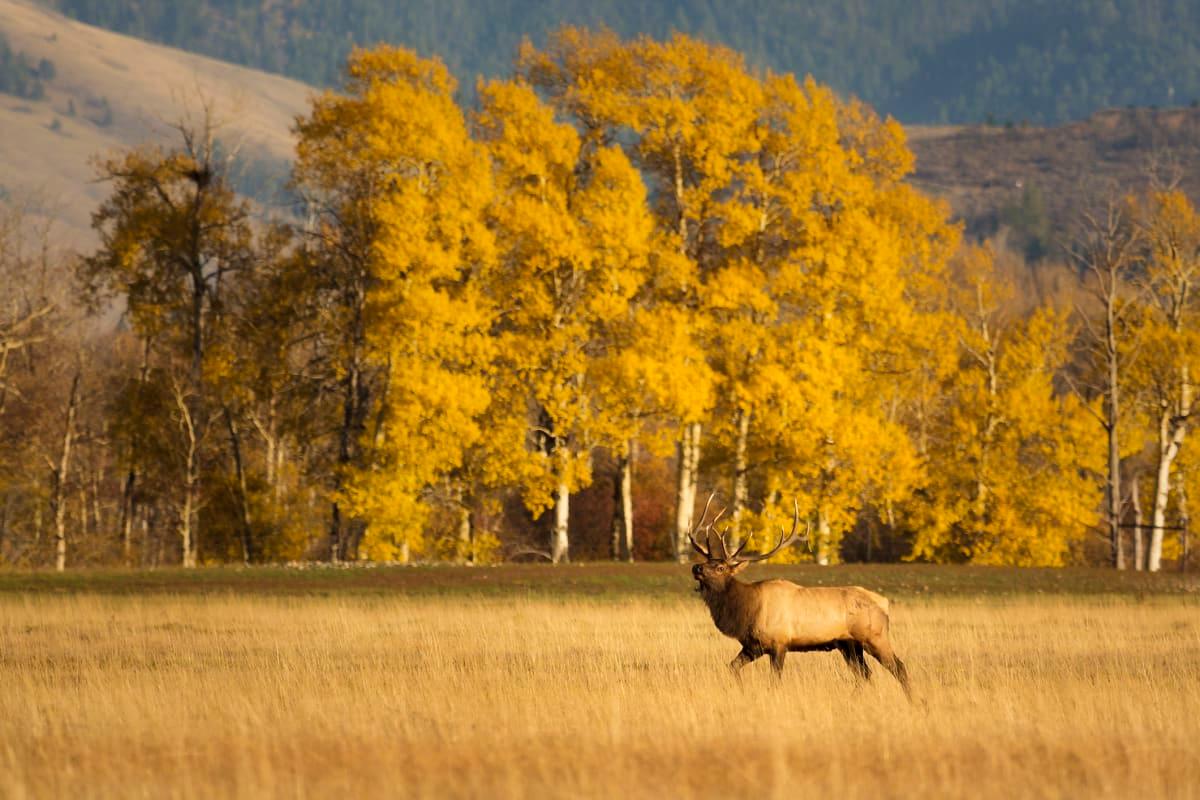
Wild elk galloping in a field flanked by willow trees to chase his harem of female elk
Ever since the wolves returned in 1995, they initiated a “trophic cascade.” The cascade started the ball rolling, and the chain of destruction finally took a reverse turn. Wolves needed elk for food. The elk population dropped. Herbivore pressure lightened up. Willows finally had a chance to breathe and grow. As they grew, riverbank erosion slowed down. Wetlands and streams became deeper than ever. The booming vegetation bounty invited more birds and insects to the park, further enriching Yellowstone.
The goal was to study the crown volume over a 20-year (2001-2020) study, to determine the growth of willows influenced by the wolves. They studied data from riparian floodplains, stream terraces, and select sites along Blacktail Deer Creek and Yancey’s Hole. Willow’s height, they mentioned, is not a suitable metric for assessing the plant growth. They needed a three-dimensional metric. Biomass, for instance. Data analysis revealed a 1,500% increase in crown volume after the return of Yellowstone wolves.
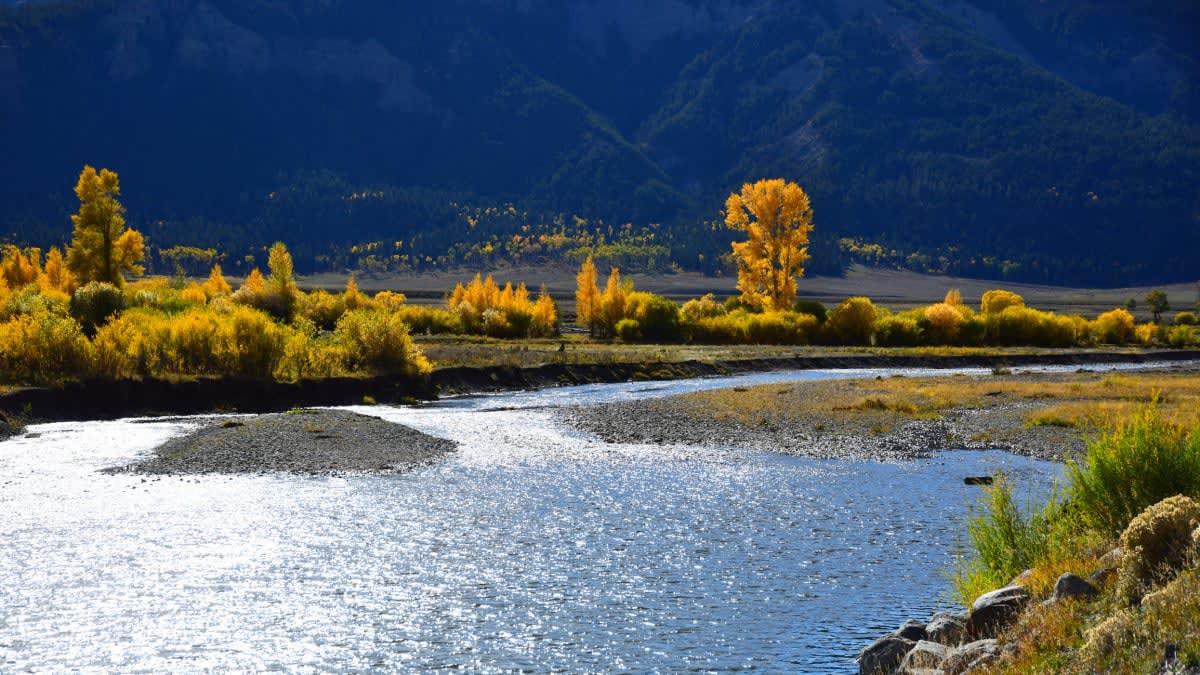
Groves of willows and aspens dotting the banks of river in Yellowstone
However, some scientists think that this is not the complete story. This before-and-after-wolves story is quite romantic, but according to ecologist Dan McNulty, it’s a story “about a world that doesn’t really exist.” In conversation with AccuWeather, Colorado State University scientist Tom Hobbs said the same thing. "It's a lovely story, and I would love this to be true, but it isn't. It is demonstratively false."
In a follow-up study, they stated that the wolf-led trophic cascade story is flawed, biased, and misleading. It wasn’t only the wolves that transformed the depressing state of Yellowstone into a thriving coppice. The first bias, they noted, lies in the shape of the willow crown. The mismatched geometry of willows doesn’t accurately provide the metrics for willow growth.
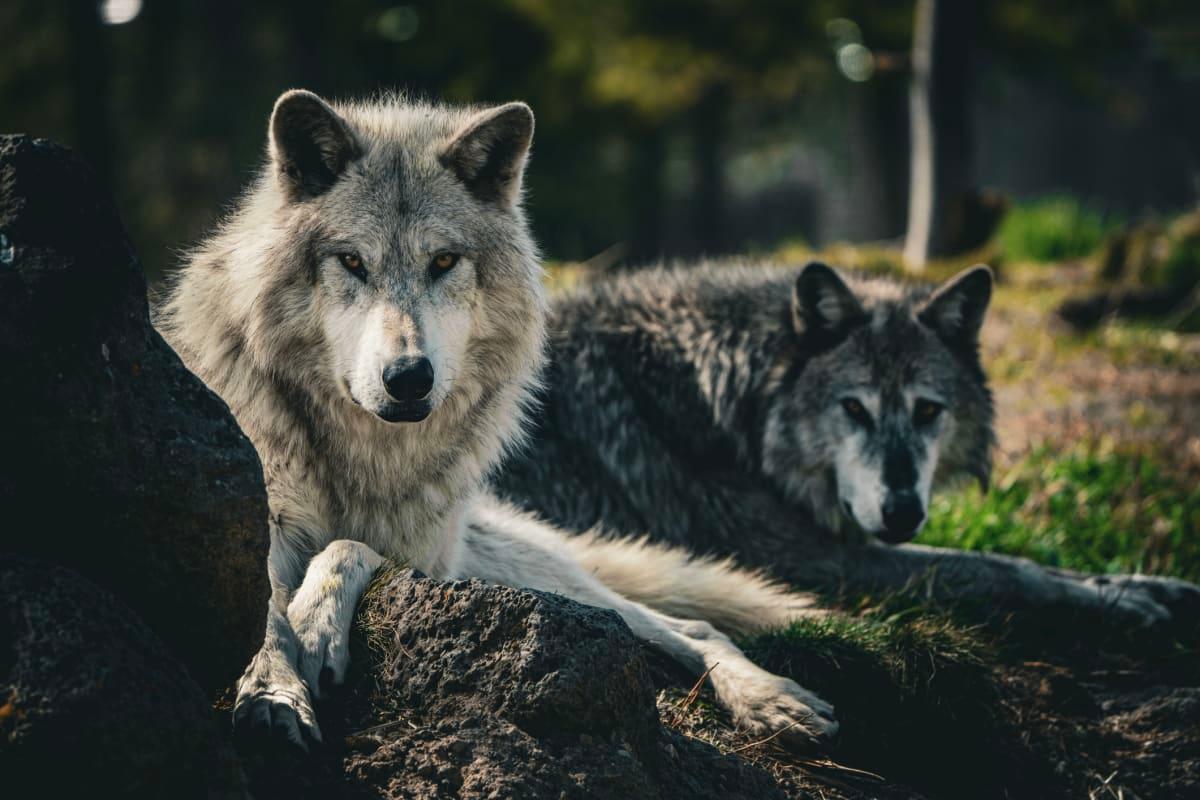
Gray wolves lounging on a grassy outcrop in Yellowstone, gazing fiercely
Second, the trophic cascade story ignores the role of other predators like grizzly bears and cougars, who also contribute to regulating the elk population by preying. And while wolves’ contribution to elk balancing is significant, there is no scientific evidence that suggests their role in normalizing the park’s vegetation, according to McNulty.
Hobbs agrees. Willows, he says, are like ice-creams for elk. Introducing wolves hasn't helped much. Lastly, the trophic cascade story doesn’t take into account the top predators in the food chain: humans. Unless all these biases are integrated, wolves cannot be entitled to Yellowstone’s transformation. Sorry, wolves, the credit’s got to be shared!