
18 Years After Vanishing, Cascades Frogs Finally Return to California’s National Park
Published Dec. 30 2025, 3:43 a.m. ET

A Cascades frog perched on moss
In early September, biologists Karen Pope, Ryan Wagner, and Nancy Nordensten scrambled towards the ponds in California’s Lassen Volcanic National Park, donning rubber boots and hauling backpacks filled with plastic tubs that sloshed with water. From inside the tubs, they could hear the low-pitched clucking, grating noises made by young Cascades frogs and tiny froglets, most of them in their tadpole stage. They had collected the frogs from a land owned by the Sierra Pacific & Collins Pine timber company. The goal was to reintroduce them in Lassen, reported High Country News. Since the last two decades, the park’s ponds have been starved of these rare amphibians after a series of extinction events wiped out their population.
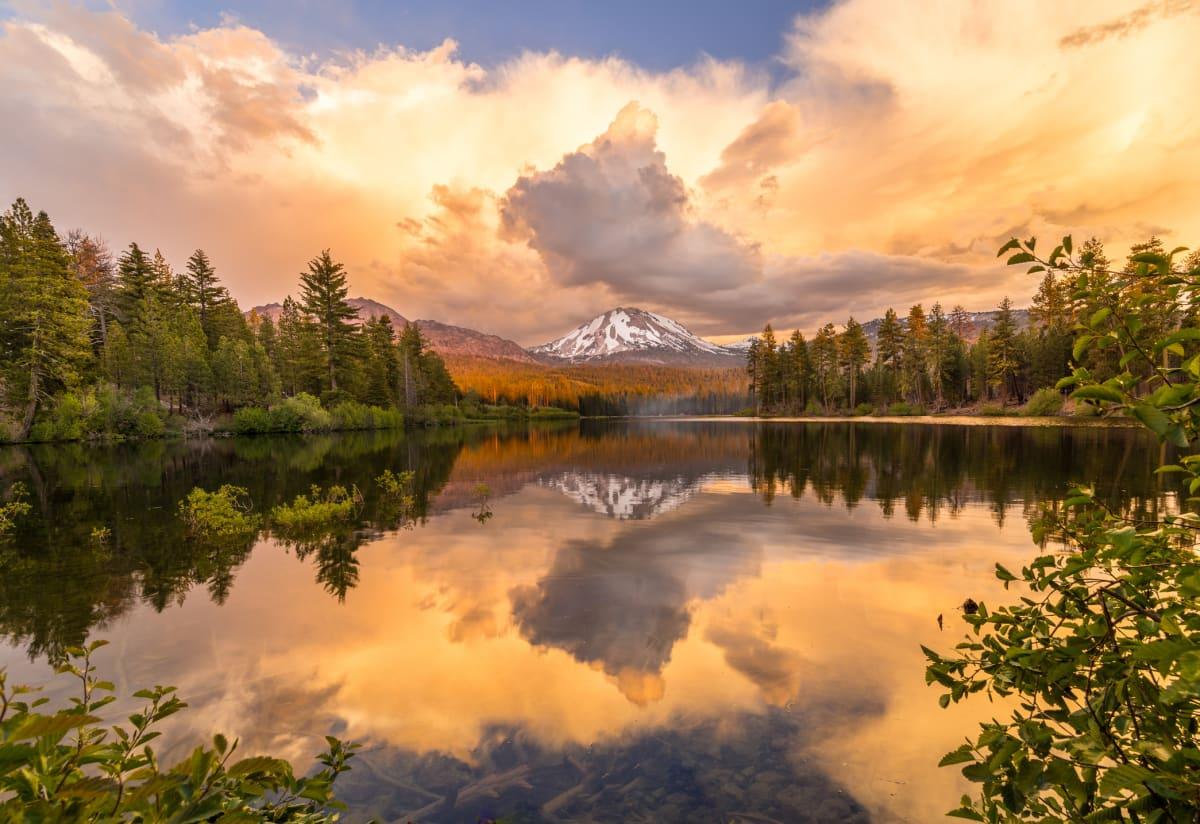
Scenic mountain view in Northern California's Lassen Volcanic National Park
“Putting the first frogs in the water - it caught me off guard how emotional it was,” Pope shared with the outlet. Before introducing them into Lassen, Wagner, who led the project, made sure that the frogs were not infected with Chytrid fungus, a devastating waterborne pathogen that blotted out hundreds of Cascades frogs in the region. To ensure this didn’t repeat, Wagner and his team gave a weeklong spa to the little froglets. They tossed them inside dilute antifungal solution and sloshed the water back and forth, gently rubbing and nudging their bodies, while the croakers wriggled and shimmied to escape the medicinal bath.
Post bath, they released the frogs into the wild. Some individuals sprang and leapt into the water while others had to be delicately coaxed. Many of them gathered around rocks and logs, gazing at what was going to be their new home. After years of pining for these cute, intelligent creatures, Lassen was finally rumbling with their schooling and jumping tantrums. Typically, Cascades frogs a.k.a. Rana cascadae, reside in areas like small streams, wet meadows, puddles, ponds, lakes, and coniferous forests surrounded by grass-laced ponds, ferns, or riparian vegetation, per AmphibiaWeb.
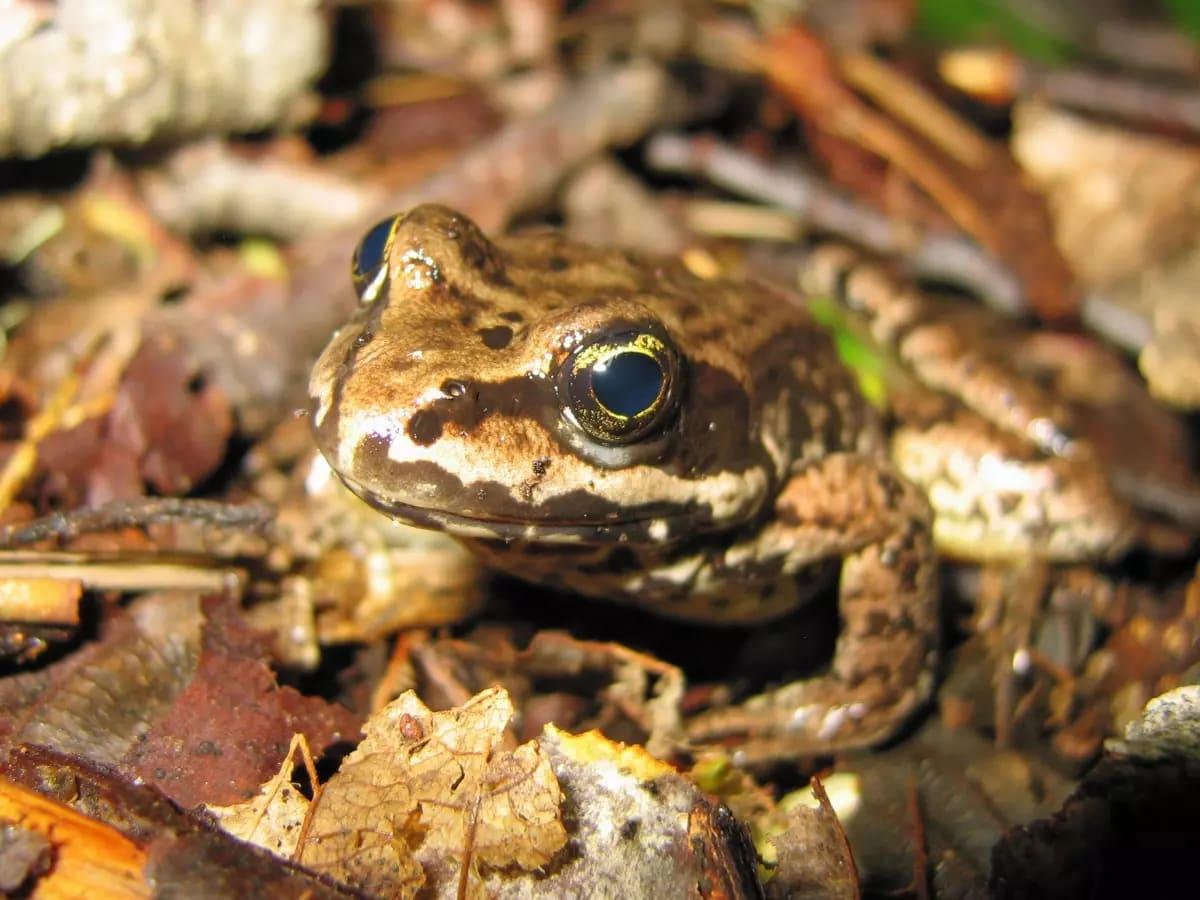
A Cascades frog
The frogs prefer cool mountain areas where there is slow-moving water for breeding and wetland plants to provide cover as they breed and lay eggs. They also prefer areas with abundant sunlight that speed up their egg development. The last time someone spotted a Cascades frog in Lassen was in 1991. Researchers also recorded the appearance of a female frog who was regularly seen near Juniper Lake, where she clambered to find a mate and lay eggs. The last time she was seen was in 2007.
Once abundant in Lassen, these frogs completely disappeared from the Southern end of the range. By 2011, there was none. While other researchers were ruminating on their grim disappearance, Pope shifted his focus and started thinking about how they could restore them to the park. “We’ve gotten to a place where, if we sit back, we’re going to keep watching the last frog,” said Pope. That’s when the reintroduction project was launched.
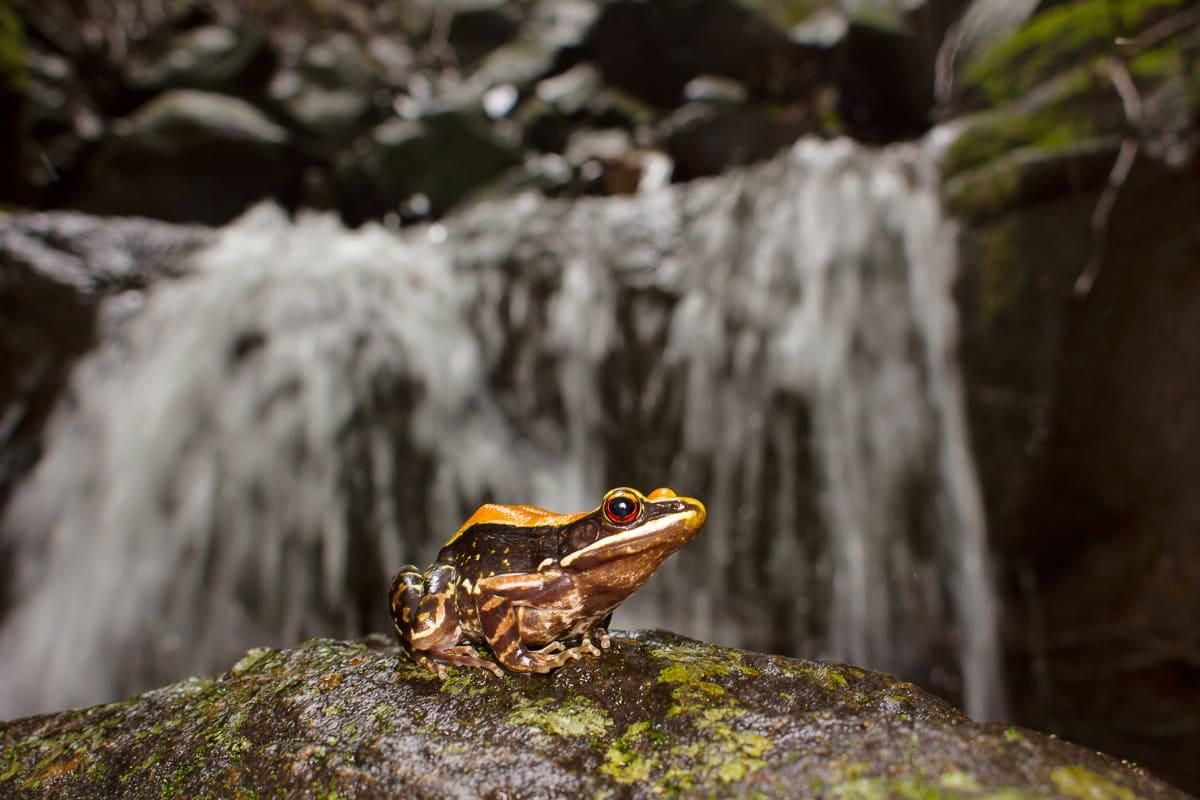
A brown frog perched on a cliff near a waterfall
A bunch of factors have been tormenting the frogs to the extent that they died, eloped, or mysteriously vanished. Droughts dried up their ponds, and they lost breeding habitat. Chytrid fungus was obviously one of the biggest factors. Then there were challenging climate conditions and environmental disturbances that caused a gradual loss of wet meadows. Non-native predators like leeches and rainbow trout also posed a dramatic challenge as they ate up the eggs and tadpoles, as described in Biological Conservation.
Re-introduction, however, is not the end. “You’ve done the reintroduction, but now you’ve got all the learning that comes from that. You’re not done. You’ve just started,” cautioned biologist Roland Knapp. The frogs will now have to survive amidst all these challenges. Oregon Conservation Strategy recommends some actions that can make their life easier as they struggle to survive, including habitat maintenance, balanced stocking of predatory fish, management of livestock grazing, and prescribed fires for controlling plant overgrowth.