
Cheddar Cheese Sold Across Michigan Recalled Over Listeria Concerns — Check Your Pantry
Published Dec. 19 2025, 2:44 a.m. ET

Woman buying cheese from a grocery store
A refrigerator without a block of cheese is like a life without aliveness. For billions of Americans, cheese is a favorite, using it while whipping up a picnic platter, garnishing a smoky hot casserole, grilling a piping hot cheeseburger, and scrambling a bowl of mac and cheese for rainy days. Lately, though, some blocks of cheese may not be as appetizing as they have always been. Boss Dairy Farms, a leading cheese company based in Michigan, has initiated a voluntary product recall for one retail lot of its popular “milk cheddar cheese,” due to potential contamination with a deadly bacterium called Listeria, according to the latest report published by the U.S. Food & Drug Administration (FDA).

A woman is looking at a block of cheese in a grocery store.
The recalled product, produced by the brand Charlevoix Cheese Company, is an 8-oz (227-gram) pack of Mild Cheddar Cheese distributed in Michigan through retail stores. According to the product description shared in the recall report, the cheese comes in clear plastic packaging with UPC 850056642057, lot number 13220025, and a best by date of 10/20/26. Packaging features labels like “farm fresh,” “hand crafted,” “contains milk,” “keep refrigerated,” and “mild,” along with a cute doodle of a farm cow on the pack. The ingredients label reads items like pasteurized milk, salt, cheese cultures, and enzymes.
On Instagram, the company shared that preparing this cheese takes a lot of labor and a few trusty tractors. Farmers wake up early morning to fetch hay and corn to feed the cows and keep them healthy. They stock up their big white bags with fresh food and feed the cows, who, in turn, provide them with buckets of fresh milk that they turn into the signature cheese loved by America. This time, however, a recall had to be issued after routine testing revealed the presence of this bacterium.

Wheels of cheese aging on a wooden plank
A report by ASM Journals describes Listeria Monocytogenes as an intracellular pathogen. The pathogen is notoriously skilled in disrupting the body’s defense mechanisms and escaping every barrier set up by the immune system, including antibodies or patrolling cell populations. Once it succeeds in making the entry inside the body, mostly via contaminated food, it acts as a Trojan horse of cell destruction. It sneaks into the stomach and survives the acidic environment. It latches onto the cell membranes and recruits toxic proteins to destroy them. Once the process of destruction is initiated, it starts replicating and multiplying itself. Eventually, the body’s cell membranes are disrupted, and the person starts experiencing painful symptoms.
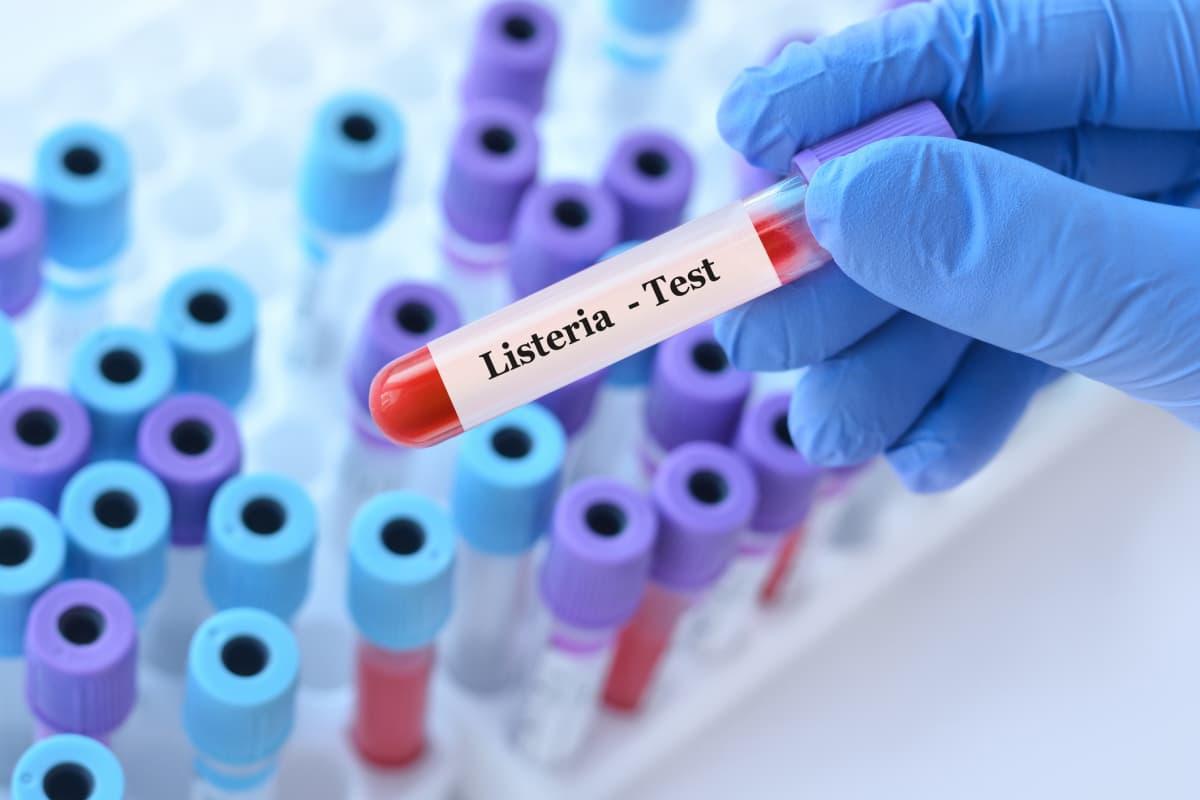
Doctor holding a test blood sample tube with Listeria bacteria test on the background of medical test tubes with analyzes
No illnesses have been reported so far, but the Cleveland Clinic describes that the illness only starts to show on the surface within a few days or two weeks after consuming contaminated food. Early symptoms emerge with fever, headache, muscle aches, vomiting, diarrhoea, chills, or nausea. When neglected, they amplify into bigger triggers like confusion, loss of balance, and seizures. If untreated, the pathogen can provoke an aggressive inflammation in the body. People with weakened immune system like children, the elderly, and pregnant women, are especially vulnerable to the effects.
The FDA urges customers to discard the affected cheese or return it to the retailer of purchase. If you have consumed it already, visit your nearest doctor immediately, because the foodborne illness is usually not revealed until proper diagnosis. So, the next time you’re undressing your block of cheese to squeeze or shred it inside a snack, make sure you read the details on the packaging. And stay updated with food recalls!