
FDA Warns Major Stores for Continuing to Sell Recalled Infant Formula That Sickened 51 Babies
Published Dec. 16 2025, 3:15 a.m. ET

An Asian mother and daughter are selecting baby products at a retail store
Irresponsibility of retailers has prompted the U.S. Food and Drug Administration to take strict action. On November 11, the ByHeart baby formula extended their voluntary recall period after pulling the product due to risk of infant botulism. The recall period was extended after more infant botulism cases emerged in connection with the baby formula. Surprisingly, many renowned retail stores, including Target, Walmart, Kroger, and Albertsons, continued to sell the recalled products despite knowing the health risk, putting infants' lives in danger. In retaliation, the FDA sent warning letters to these stores on Monday, December 15, claiming that these outlets have been selling the affected products for days or weeks. The original recall was announced by the company after the baby formula was linked to an infant botulism outbreak. More than 50 infants across several states who were exposed to the affected baby product were hospitalized.
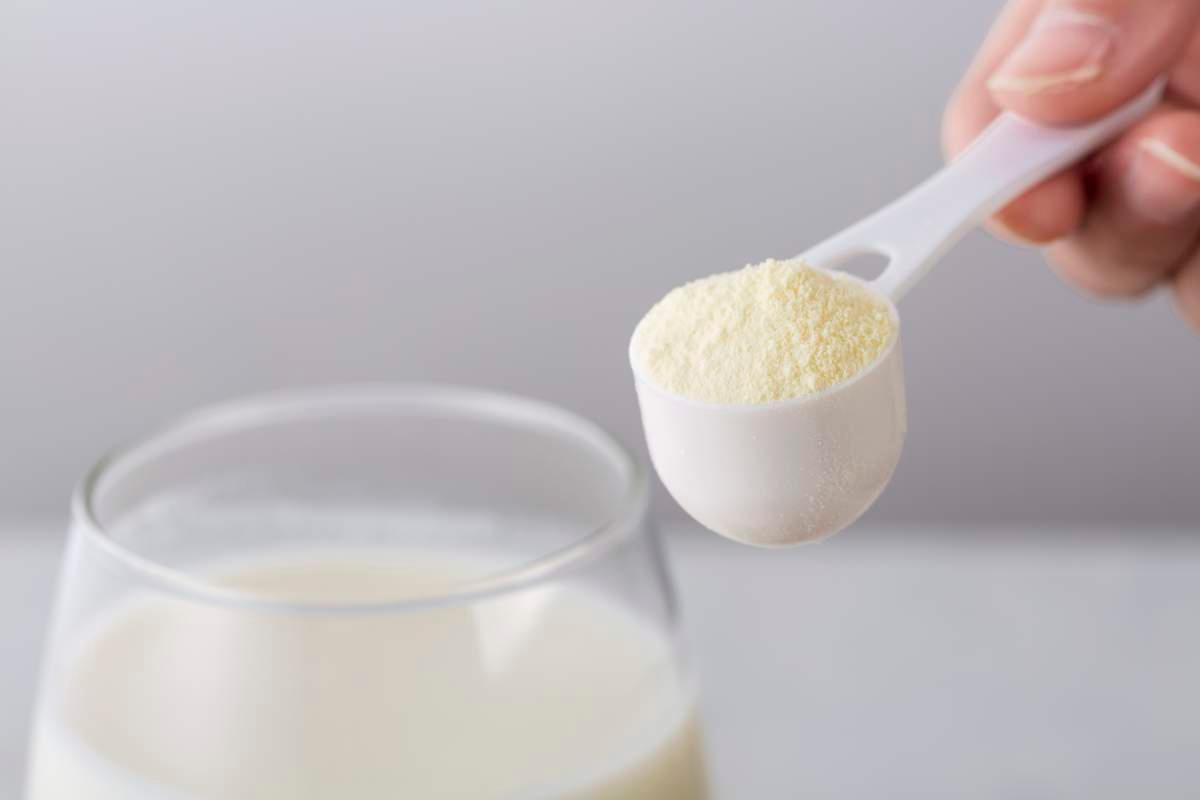
A close-up picture of baby formula.
With the warning letters, the agency "reminded industry of its legal responsibilities under the Federal Food, Drug, and Cosmetic Act regarding food recalls and called for industry to increase adoption of best practices in recall implementation." In the weeks after ByHeart's voluntary recall of its baby formula products, the FDA, alongside state and local authorities, conducted checks around retail stores across the U.S. over 4,000 times. During this process, the authorities found retail chains that continued to sell the recalled products in over 175 locations across 36 states. This incident highlights how much of a role the retailers play in recall effectiveness. "These warning letters highlight the critical responsibility that retailers have in effectuating a recall, particularly when dealing with products that pose serious health risks to our most vulnerable populations, such as infants," says the agency.
The Target logo is displayed at a Target store on August 20, 2024, in Los Angeles, California
“Food safety is a shared responsibility, and it is of utmost importance that all parties in the supply chain act swiftly and vigilantly to protect our nation’s children from unsafe food,” said FDA Commissioner, Dr. Marty Makary. Retailers are crucial at the last stage of the supply chain, where they are responsible for the products that reach the consumers. They must be efficient in taking action in case of a recall and removing the affected products from the store shelves, and ensuring that the products are never added back. The FDA is concerned about the efficiency of the aforementioned retail stores in taking quick action in case of a public health emergency related to food products. Hence, the agency has taken a strict step to ensure that these stores give a formal response about corrective actions taken to address the violations and prevent recurrence. In the warning letters, the agency has provided a strict 15-day time for the retailers to respond.
A curious baby looks at the camera while someone feeds him with a spoonful of custard
The retail stores must respond with the specific rules they implemented among the staff to improve recalled product management. They must also state how they addressed the violations and what measures they have taken to prevent such violations from occurring in the future. If the retailers wish to challenge the FDA's allegations, they must provide reasoning and "supporting information as to why the company believes it is not in violation of the law." Meanwhile, the agency, under the efforts of Operation Stork Speed, will continue to ensure that caregivers of infants and young children are provided with baby formula products that are guaranteed to be safe to consume.