
7,000-Year-Old Underwater Wall Found off French Coast May Be One of the Largest Ever Found
Published Dec. 19 2025, 7:32 a.m. ET

Man in Black Diving Suit Diving on Water.
Retired geologist Yves Fouquet was combing the waters off the western tip of Brittany using laser-based instruments in 2017 when he noticed a strange row of structures that was blocking the undersea waters. From a geologist’s perspective, this was unusual, if not bizarre. A team of French archaeologists initiated a 2-year-long expedition on the site to dig out the story of the stone sculptures. In a study published in the International Journal of Nautical Archaeology, they documented the findings. One of the largest and most fascinating structures they came across was a wall that dated from around 5,800–5,300 BCE.
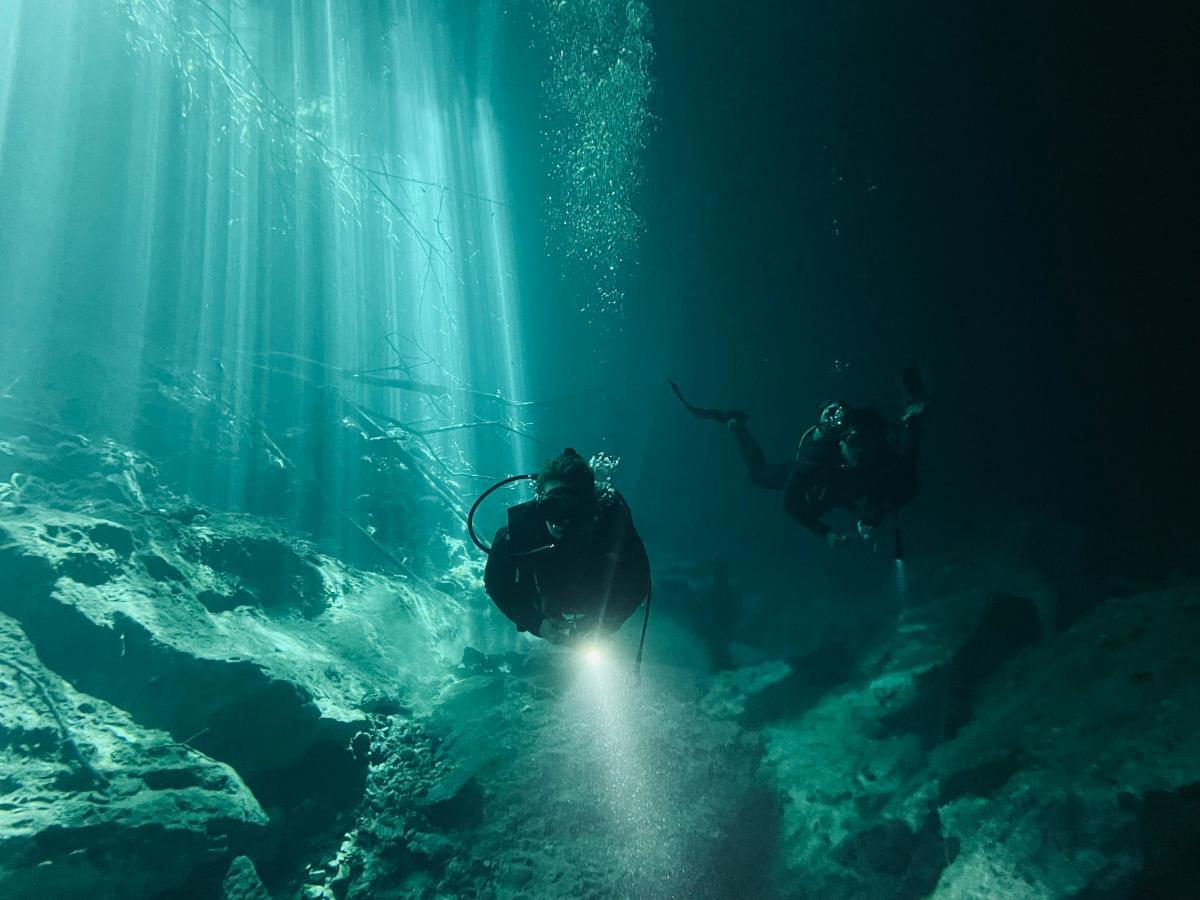
Divers exploring underwater ruins.
The structures belong to a time historians and archaeologists call the Mesolithic period or the Middle Stone Age. As the name suggests, it was a transitional period between the Paleolithic, a.k.a. Old Stone Age, and the Neolithic, a.k.a. New Stone Age. Of all that archaeologists have discovered about this period, it was a time when hunter-gatherers were beginning to settle and create lots of stone structures. Fish was their main source of food supply. They would set up fish weirs, V-shaped traps, in tidal waters to trap fish. But with the dramatic rise in sea levels, they might have to abandon their settlements and fishing culture. They left, but the monoliths and mictoliths remained, for future humans to ponder upon.
The structure that this latest discovery revealed dates back about 7,000 years, according to the researchers. The largest of these, a wall measuring 394 feet, is the most interesting. BBC News says that this wall is the “biggest underwater construction ever found in France.” Fouquet says that archaeologists could never expect to find such well-preserved structures in such a harsh setting. The structures were discovered on a triangular-shaped granite submarine plateau called Chaussée de Sein, on the Sein Island, France. This wall, and other stone structures, were possibly barriers set up for coastal protection, boundary lines, or territorial markers.
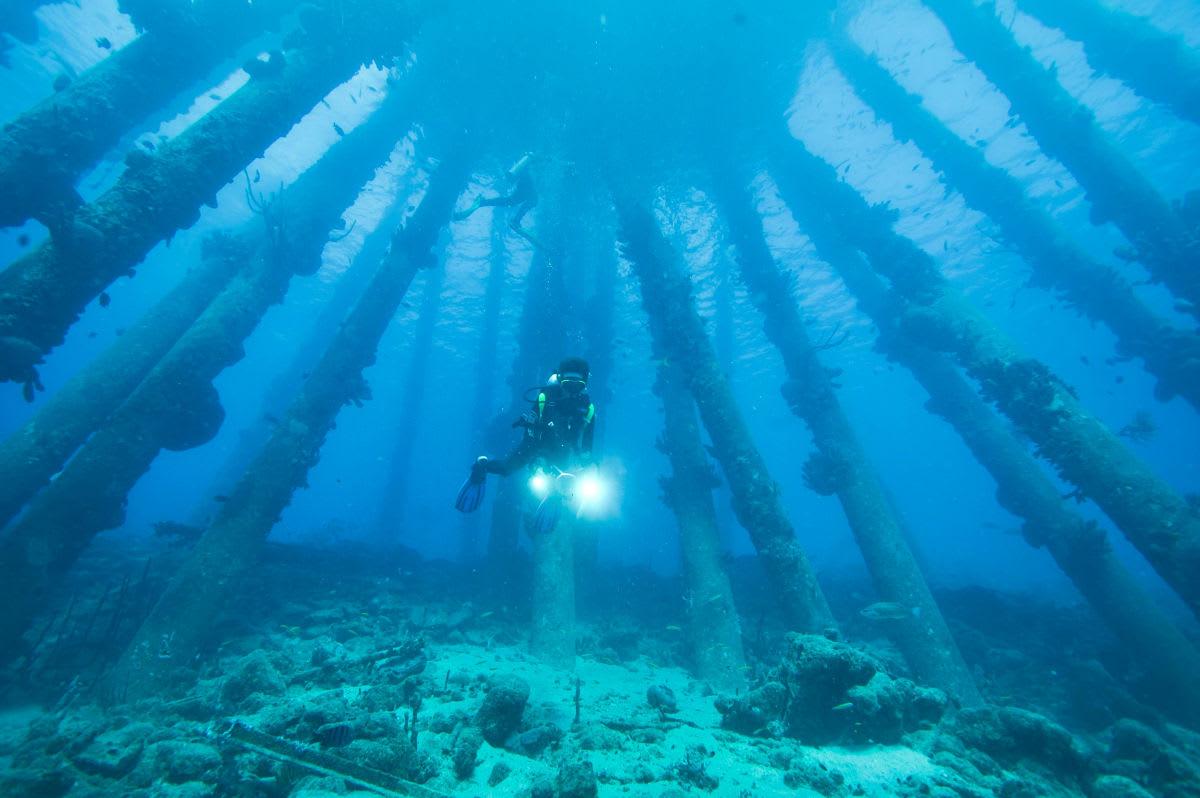
Diver underwater exploring the sea floor (Representative Image Source: Pexels | Pascal Ingerest
So many other insights can be derived from the stone structures. For example, they are heavy. Heavy in the sense of truckloads of hulking. The BBC says they’re as heavy as 3,300 tonnes (7,275,255 pounds). This makes researchers wonder if the ancient humans must have had super-intelligent technology that they used to extract, haul, transport, and create these bulky monuments.
From the perspective of purpose, the stones could symbolize anything from sites of occult rituals to ceremonial healing altars to just a portfolio of their creativity. They could also have been barriers set up against rising sea levels or for trapping fish when the tides retreated. These people were likely really intelligent, too. They didn’t have advanced information models or augmented reality. They didn’t even have computers. Just a budding version of the human brain.
The findings were documented after analysis of data collected between 2022 and 2024 via satellite images, LIDAR, and aerial photographs, together with Digital Elevation Models and manual diving trips. In total, 11 submerged structures were discovered. "This is a very interesting discovery that opens up new prospects for underwater archaeology, helping us better understand how coastal societies were organized," Yvan Pailler, archaeologist from the University of Western Brittany, said, per AFP News, translated by CBS News.