
Tourists Warned of Rabies Risk After Bat-Infested Cabins Found at a Popular National Park
Published Aug. 22 2025, 8:45 a.m. ET

Representative Cover Image of a couple in national park | Source: Getty Images | Cavan Images)
Slavic people in the 17th century believed that if a bat flew over an unburied dead body, the latter would resurrect into a vampire, per Ole Miss. Between the summer months of May and June this year, a spooky tale unfolding inside a hotel in Wyoming’s Grand Teton National Park looked similar. Lurking inside the attics of this hotel’s rooms were colonies of mysterious bats, according to a press release by the Wyoming Public Media.
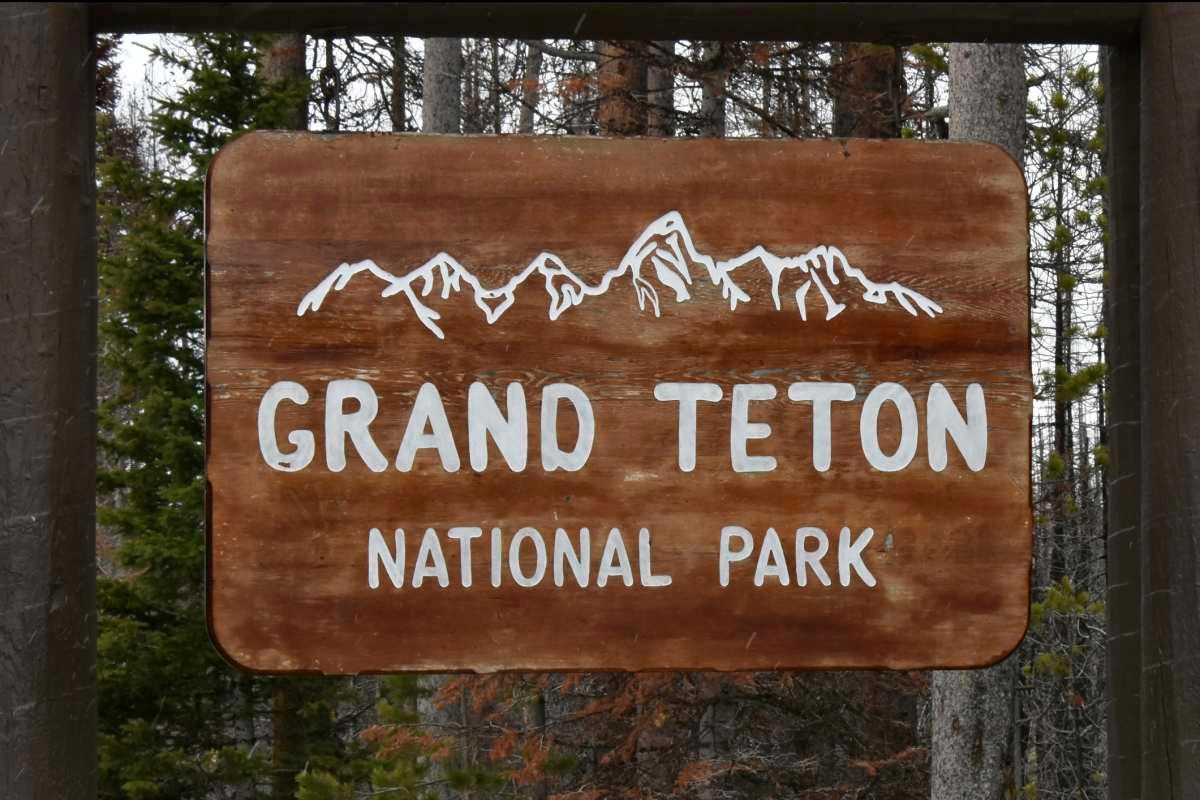
Sign reading Grand Teton National Park in Wyoming
On several nights during this period, when more than 500 guests were asleep in around 200 cottage-style rooms, these bats crept out of the attics. These black flittermice clobbered atop these humans with their bites and saliva. The entire episode went unseen and unnoticed, given that a bat’s bite is subtler than a needle’s prick. But after the guests checked out, the authorities became concerned.
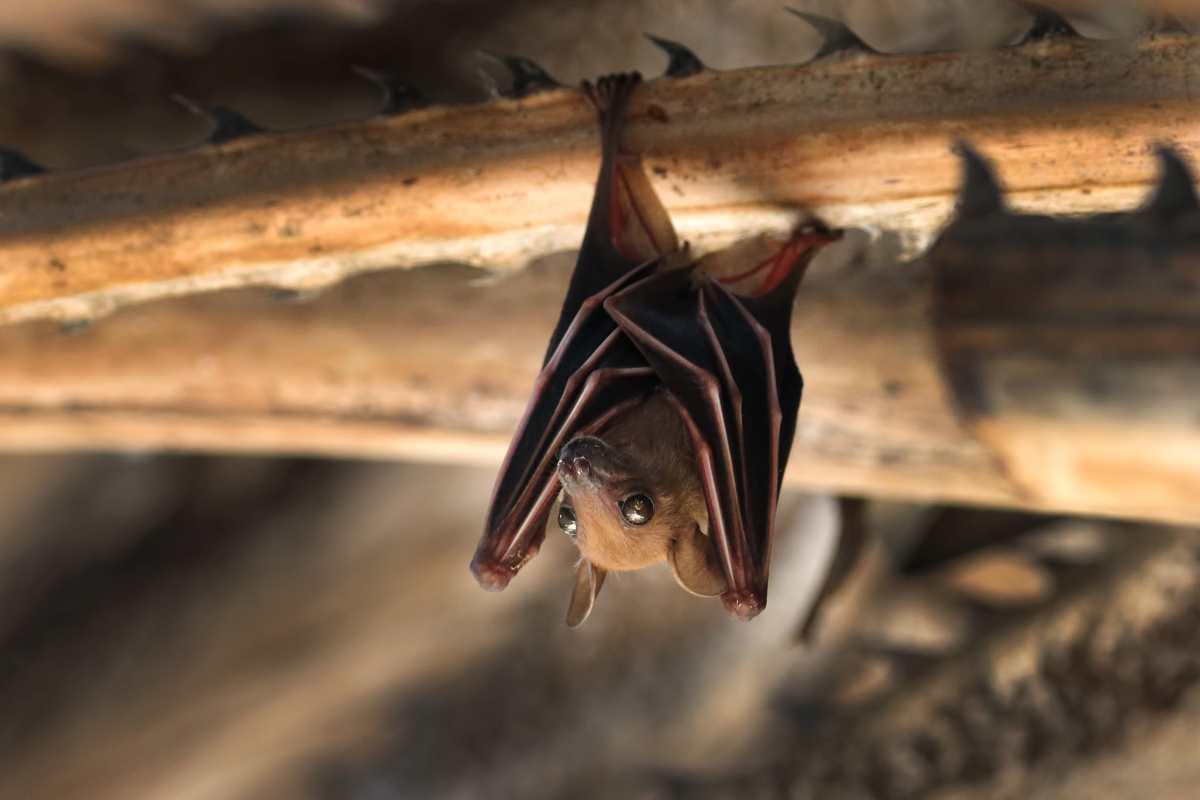
Bat hanging from a tree branch
It’s not a coincidence that a vampire’s typical costume features bats’ wings. Not that these hundreds of people are roaming around as vampires across the world, but what they are secretly suffering from is even deadlier than vampirism. Called “rabies,” this disease functions in a much similar way to vampirism. Triggered by the bite of a dog or a bat, it usually shows symptoms such as asphyxia or cardiorespiratory arrest, ultimately leading to the person’s death, per Medical News Today. After the authorities in Wyoming’s park detected these bats in the attics, they deduced that the guests who had stayed inside these cabins could be infected with the disease.
Depiction of a human turning into a vampire
The hotel opened its rooms at the Jackson Lake Lodge in May 2025 after remaining vacant during the winter season. The hotel workers believe that at least 200 guests checked into these rooms and stayed from May 15 to July 27. The bats detected later were tested for the rabies virus that led to the outbreak. As of August 15, none of the bats from any of the eight cabins at the lodge had tested positive for rabies, per CNN. But a handful of dead bats that were dispatched to the Wyoming State Veterinary Laboratory in Laramie were probably carrying the virus. They had colonized the attic above the row of cabins, according to Doctor Alexia Harrist, Wyoming State Health Officer.
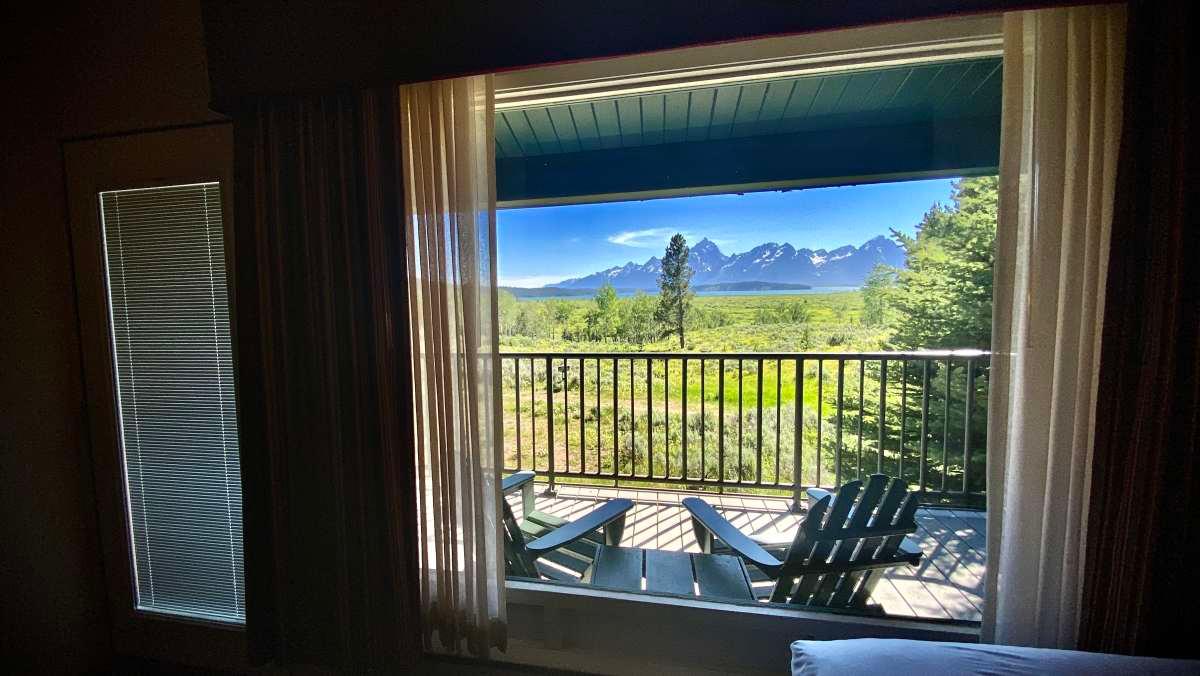
A cabin room for guests in Grand Teton National Park
Harrist advised the people who had stayed in a block of the cottage-style hotel rooms, numbered 516, 518, 520, 522, 524, 526, 528, and 530, to visit the doctor immediately. Meanwhile, the Wyoming Department of Health is tracking down potentially-affected visitors from 38 states and seven countries. “At least 200 guests who stayed at Jackson Lake Lodge from May 15 to July 27 may have been exposed to a suspected bat colony at the hotel,” the press release said.
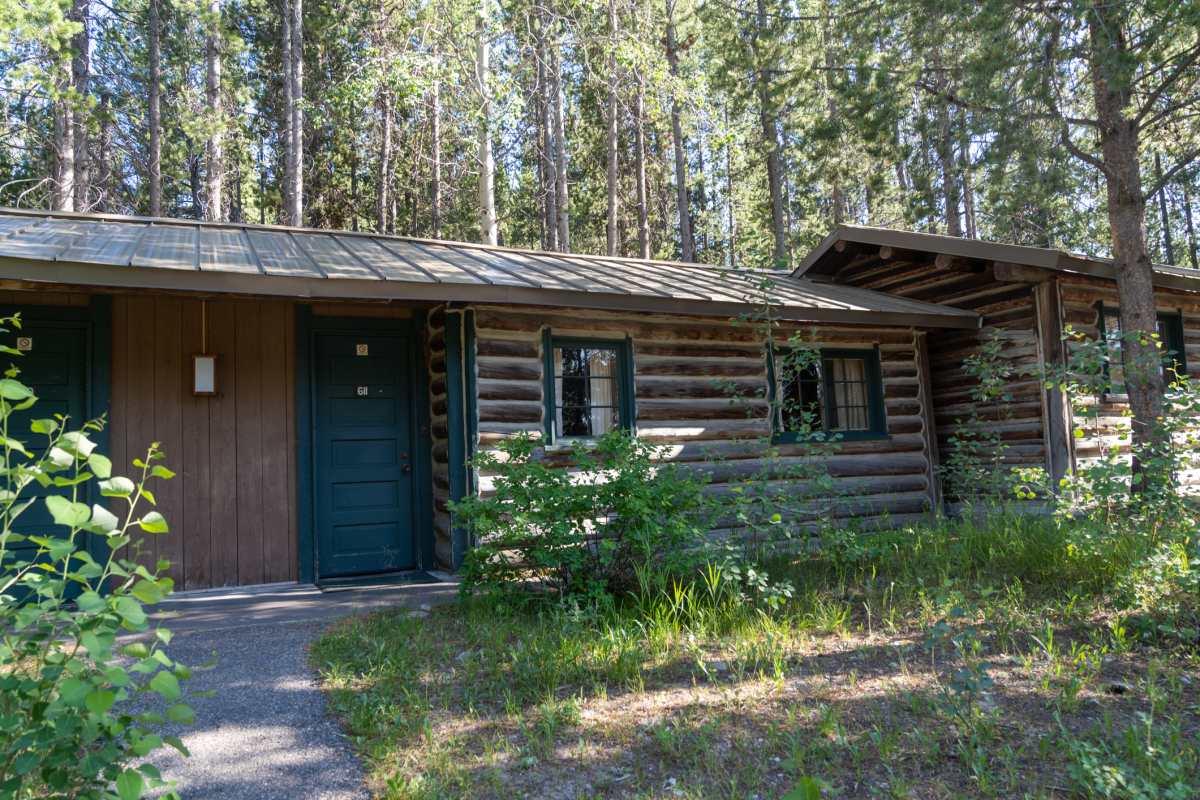
A lodge in Grand Teton National Park
Travis Riddell, director of the Teton County Public Health Department, clarified that “Based on those reports, it’s unlikely that one bat has entered the same space multiple times. That raises the possibility of multiple bats residing above the rooms, usually in the form of a colony.” Riddell said that although a lot of people were likely affected by the bats, they are not 100% sure how many and who they were. “What we’re really concerned about is people who saw bats in their rooms and people who might have had direct contact with a bat,” Harrist told CNN.
Bats flying above a park in Wyoming
While the tracking process continues, doctors are recommending prophylactic shots for those affected, specifically those who fit certain criteria, such as deep sleepers who found a bat in their room, those who saw one with their own eyes, and children who were too young to report having seen a bat-like creature. The plan, meanwhile, is to fit the devices inside the attics of the hotel. This is a strategy to prevent the bats that had prowled outside to eat insects from returning to the rooms.